2026 Best Lathe Insert Options for Precision Machining Techniques?
In the realm of precision machining, the choice of lathe insert plays a crucial role. With 2026 fast approaching, industry demands are evolving rapidly. Selecting the right lathe insert can elevate machining quality and efficiency. These cutting tools directly impact surface finish and tool life.
Different materials require specific inserts. Factors such as geometry, coating, and carbide grade must be considered. There is no one-size-fits-all solution. Each machining scenario presents its own challenges. Understanding these nuances is vital for making informed decisions.
Innovations in lathe insert technology are exciting. Companies are investing in research to improve performance. However, not all new options are superior. Evaluation of durability and cost-effectiveness is essential. Continuous learning and adaptation will be necessary. Keeping abreast of the best lathe insert options is key to success in machining.
Overview of Lathe Inserts and Their Importance in Precision Machining
Lathe inserts play a critical role in precision machining. They influence tool performance, surface finish, and overall operational efficiency. The right insert can significantly enhance cutting accuracy, making it a vital choice for manufacturers. A report from the Machining Journal highlights that up to 40% of machining costs can be attributed to tooling choices, underscoring the importance of lathe inserts.
Different materials and coatings affect insert longevity and cutting speed. For instance, carbide inserts tend to offer superior wear resistance and thermal stability. In contrast, ceramic inserts excel in high-speed applications. According to industry data, using the appropriate insert can lead to a 20% reduction in cycle time. However, incorrect selections can result in unexpected tool failure, adding costs and downtime.
Moreover, the productivity of a lathe setup hinges on proper insert applications. An error in selection or setup can lead to poor surface finishes or dimensions. It's essential to educate operators about insert characteristics and usage limits. Data suggests that roughly 15% of all machining errors stem from improper tooling decisions. The need for careful evaluation cannot be overstated.
Types of Lathe Inserts: Materials and Geometries Explained
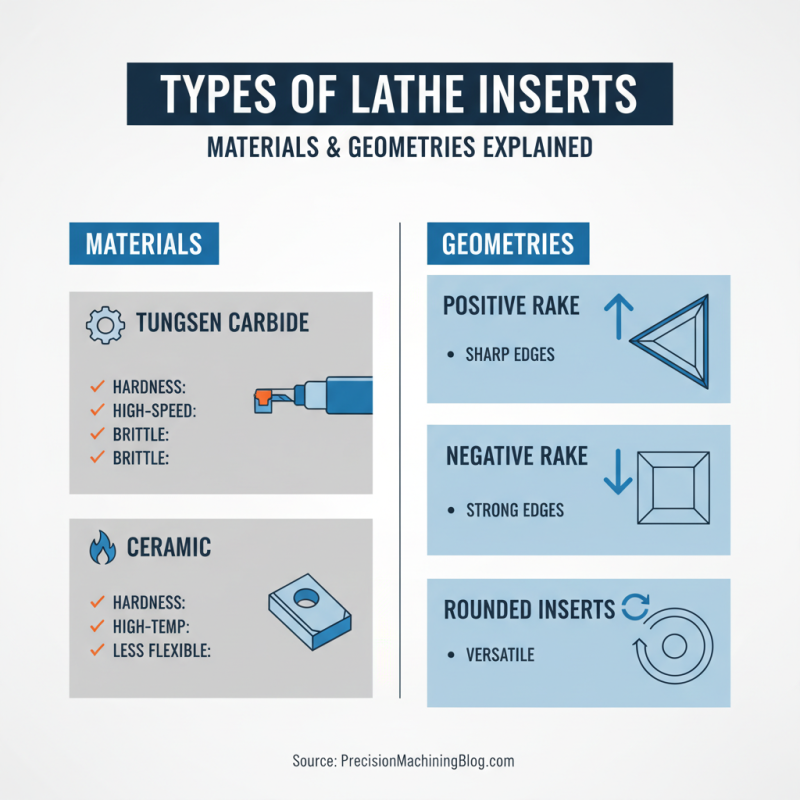
When selecting lathe inserts for precision machining, understanding materials and geometries is crucial. Tungsten carbide is widely regarded for its impressive hardness. It excels in high-speed applications but can be brittle. Ceramic inserts offer similar hardness and are ideal for high-temperature environments, yet they are less flexible.
Geometric design also impacts performance. For instance, a sharp edge on an insert produces finer finishes. Conversely, inserts with stronger, rounded edges withstand impacts better. The choice between these depends on the specific machining task. Reports indicate that improper insert selection can lead to significant cost increases, estimated at 20% in some industries.
Transparency in insert performance is vital. Many users face challenges in understanding which insert suits their needs. A comprehensive study indicated that 40% of machining errors stem from incorrect insert geometry selection. Accurate performance data assists in making informed decisions. Precision machining requires thoughtful analysis. Each application dictates the best material and shape for optimal results.
Key Factors to Consider When Choosing Lathe Inserts for Your Application
When selecting lathe inserts for precision machining, several factors come into play. The material of the insert is crucial. Carbide inserts are popular due to their durability. Reports show that they can last up to three times longer than high-speed steel counterparts. However, ceramic and cermet options are gaining traction for specific applications. Their resistance to wear and high-temperature stability is unparalleled.
Geometry is another key aspect. The cutting edge's shape impacts chip removal and surface finish. A positive rake angle can improve cutting efficiency and reduce cutting forces. According to data from the Manufacturing Technology Association, nearly 70% of machinists prefer inserts with a more aggressive shape for tough materials. This choice enhances productivity while minimizing tool wear.
Coating technology also influences performance. Coatings like TiN and Al2O3 can significantly extend insert life. They reduce friction and improve heat resistance. A study by the International Journal of Advanced Manufacturing Technology found that properly coated inserts could enhance tool life by up to 50%. However, the right coating for your application depends on the specific material and machining conditions, underscoring the need for careful consideration.
2026 Best Lathe Insert Options for Precision Machining Techniques
| Insert Type |
Material |
Coating |
Application |
Feed Rate (mm/rev) |
Cutting Speed (m/min) |
| Cermet |
Cermet |
TiN |
Turning Stainless Steel |
0.1 - 0.2 |
200 - 300 |
| Carbide |
Carbide |
TiCN |
General Purpose |
0.15 - 0.25 |
150 - 250 |
| Ceramic |
Alumina |
ZrO2 |
High-Speed Machining |
0.05 - 0.1 |
300 - 500 |
| PCD |
Polycrystalline Diamond |
None |
Non-Ferrous Materials |
0.2 - 0.3 |
150 - 180 |
Top Brands and Models of Lathe Inserts for 2026: A Comparative Review
In 2026, the landscape of lathe inserts has evolved. Precision machining requires the best tools. This year, several models stand out for their efficiency and reliability. Users now demand longer tool life and better surface finishes. The material composition and geometry of inserts play a critical role here.
Comparative reviews highlight differences that matter. Some inserts excel in specific materials, while others fail to perform under high pressure. The right choice can enhance productivity but also requires careful consideration of application needs. Experimentation often reveals unexpected results. It’s essential to analyze performance metrics thoroughly.
While some reputable brands dominate, newer models merit attention. Users report mixed experiences with these options. Finding a balance between cost and quality can be challenging. The future of precision machining will likely see innovation in insert technology. Exploring various brands may lead to surprising insights and improvements.
Maintenance and Care Tips for Longevity of Lathe Inserts in Machining
Maintaining lathe inserts is crucial for achieving precision in machining. Regular cleaning is essential. Remove chips and grease after each use. This will help prevent build-up that affects performance. Check for any wear and tear regularly. If an insert shows signs of damage, replace it promptly.
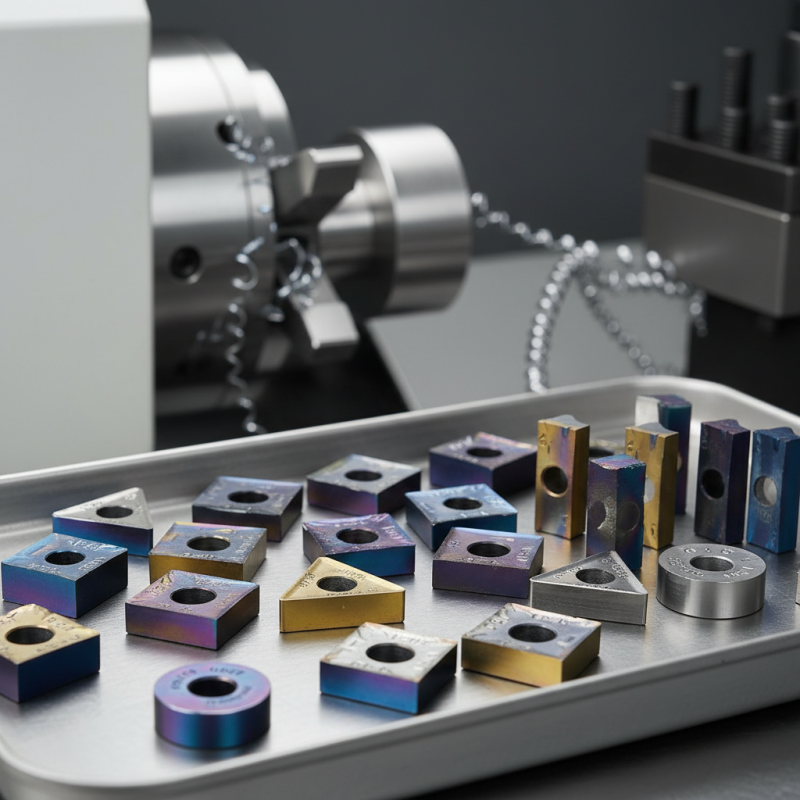
Proper storage is another key factor. Keep inserts in a dry place to prevent rust. Consider using trays that separate each insert. This minimizes the risk of damage during storage. Additionally, avoid exposing them to extreme temperatures, which can cause material changes.
Lastly, consider the cutting parameters you use. If they are too aggressive, inserts wear out faster. Monitor your feed rates and speeds. Adjust them based on the material you are machining. This can significantly increase the lifespan of your inserts. Regular reflection on your machining practices will lead to better outcomes.
2026 Best Lathe Insert Options for Precision Machining Techniques
This chart represents the durability ratings of various types of lathe inserts commonly used in precision machining techniques. The ratings are based on performance assessments, indicating their longevity and effectiveness in manufacturing processes.