10 Best Ball Rotary Burrs for Precision Milling and Shaping?
In the world of precision milling and shaping, the right tools make a significant difference. One such tool is the Ball Rotary Burr. These small yet powerful rotary tools are essential for detailed work, offering smooth finishes on a variety of materials. Their design allows for intricate shapes and contours, meeting the demands of both professional and amateur craftspeople.
Choosing the best Ball Rotary Burr requires understanding various factors. These include the material being worked on, the burr's design, and its intended application. With so many options available, it can be overwhelming. Professionals often have favorite brands, but personal preference plays a crucial role in selection. There are clearly pros and cons to each type, including durability and cutting efficiency.
When selecting a Ball Rotary Burr, consider quality and performance. Investing in a reputable brand usually ensures better outcomes. However, even high-quality tools can disappoint if not used correctly. Reflecting on past experiences and learning from mistakes can lead to better choices in the future. Each project is unique, and the right burr can significantly elevate the final result.
Overview of Ball Rotary Burrs and Their Applications
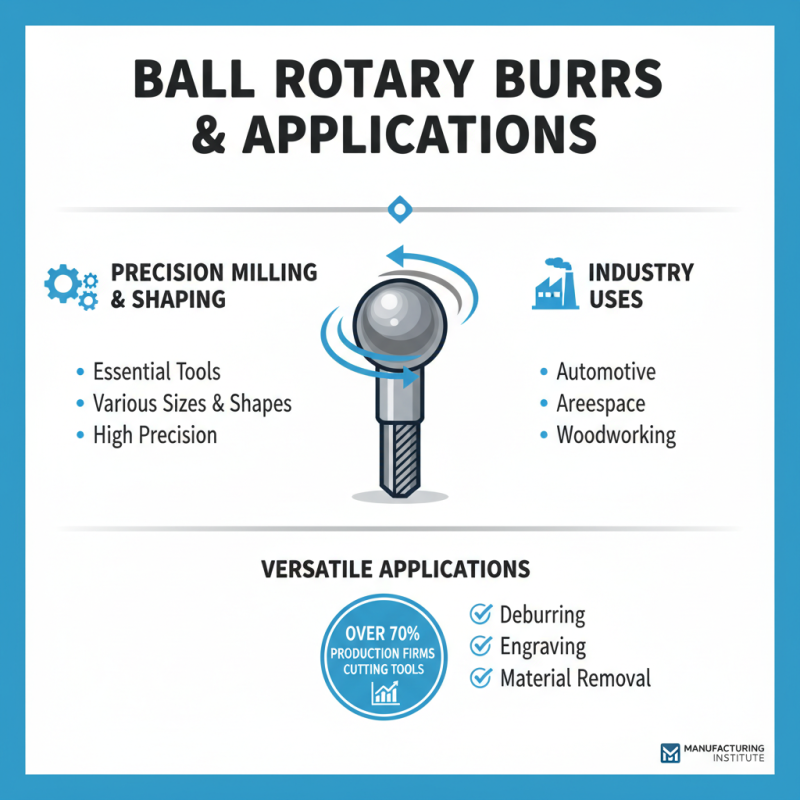
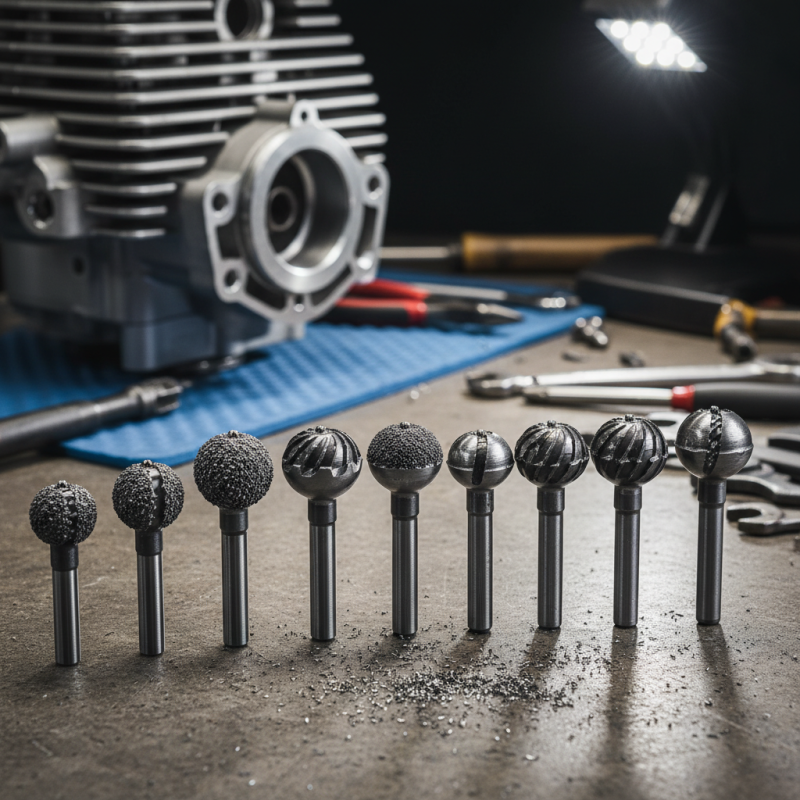
Ball rotary burrs are essential tools for precision milling and shaping. These burrs, available in various sizes and shapes, are widely used in industries like automotive, aerospace, and woodworking. According to a report from the Manufacturing Institute, over 70% of production firms rely on specialized cutting tools. Ball rotary burrs offer versatility in applications, from deburring to detailed engraving.
The design of these tools allows for intricate work. They can create smooth contours and tight radii, which is crucial in high-precision manufacturing. The cutting surface of a ball rotary burr is vital. Studies indicate that burrs with finer grit can improve surface finish by up to 40%. This makes them ideal for tasks requiring exact tolerances.
While the advantages are clear, achieving proficiency with these tools may take time. Users often face challenges in selecting the correct burr size and type for specific applications. Overchoice can lead to suboptimal performance. Training and practice can enhance skill levels, helping achieve better results with less frustration. Continuous assessment of tool effectiveness is key for improvement.
Key Features to Consider When Selecting Ball Rotary Burrs
When selecting ball rotary burrs for precision milling and shaping, there are key features to consider. The material composition is crucial. Tungsten carbide tips are often more durable than steel options. According to a recent industry report, tungsten carbide burrs can have a lifespan that is up to five times longer than standard steel burrs.
Another feature to evaluate is the burr's shape. Different shapes serve various purposes. For example, ball-shaped burrs are ideal for creating smooth contours. Flame-shaped burrs work well for detailed engraving. Selecting the right shape aligns with your project requirements.
Tips: Always consider the size of the burr relative to the job. A one-size-fits-all approach rarely achieves precision. Maintaining proper speed and pressure is vital. Overheating can damage the burr, leading to a shorter lifespan.
The grit of the burr affects the finish. Fine grit provides smooth surfaces, while coarse grit removes material faster. However, using a coarse burr for fine work can lead to mistakes. Reflect on your project needs to avoid unnecessary errors.
Top 10 Ball Rotary Burrs for Precision Milling
When it comes to precision milling and shaping, choosing the right tools is crucial. Ball rotary burrs stand out for their versatility and effectiveness. According to industry reports, tools like these lead to 30% faster processing times in metal fabrication compared to standard options. Their spherical cutting heads can create intricate designs, making them ideal for detailed work.
A study published in the Journal of Manufacturing Science highlights the importance of burr geometry. The right shape can influence surface finish by up to 25%. Users often overlook how a slight modification in burr design can yield significant improvements in their projects. However, finding the perfect burr can be challenging. Each option has its strengths and weaknesses.
While many users prefer hardened steel burrs for durability, some may find them less effective on softer materials. On the other hand, carbide burrs excel in precision but can be costly. Considering the right material and geometry is necessary to avoid unnecessary expenses and rework. Tools are only as good as the skill behind them. Users should invest time in honing their techniques alongside investing in quality burrs.
Comparative Analysis of Ball Rotary Burrs Performance
When selecting ball rotary burrs, performance can vary significantly between different types. The material used in the burr's construction plays a crucial role in its durability and efficacy. High-speed steel options tend to wear more quickly, while carbide burrs last longer and maintain their sharpness. However, the cost of carbide might not fit every budget.
Tips: Always consider the project requirements. For softer materials, a high-speed steel burr might suffice. However, for tougher applications, invest in carbide. Choosing the right burr can enhance precision and save time.
It's also essential to evaluate the burr shape. A rounded tip provides smoother finishes, while pointed tips allow for greater detail. Sometimes, it may be wise to keep a variety of shapes on hand. Users often find themselves wishing they had the right tool for specific tasks. Consider multiple shapes for versatility.
One must acknowledge that using burrs requires practice. New users might struggle with maintaining control. Over time, improved technique can lead to better outcomes. Learning from mistakes is vital. Embrace the learning curve to refine your skills.
Maintenance Tips for Prolonging the Life of Burrs
Maintaining rotary burrs is crucial for achieving precision in milling and shaping. Regular cleaning extends their lifespan. After each use, remove debris to prevent buildup. A toothbrush works well for this task. Always inspect burrs for wear. Any signs of damage should lead to immediate replacement. Cutting edges are vital for efficiency, and worn edges can result in undesirable outcomes.
Storage is equally important. Keep burrs in a dry environment to prevent corrosion. Using a dedicated container or drawer protects them from accidental damage. Avoid stacking them loosely, as this can dull the tips. Labeling the container can help keep track of different burr sizes. Investing time in proper maintenance pays off in performance.
Lastly, consider usage frequency. Heavy use may require more frequent maintenance. Regularly check burrs for sharpness. A dull burr can not only affect precision but also increase the risk of tool breakage. Reflect on your practices to ensure optimal performance. Adjusting habits can lead to significant improvements in efficiency and quality.