Best Cemented Carbide Inserts at 139th Canton Fair 2026?
The 139th Canton Fair in 2026 will showcase the best Cemented Carbide Inserts. This essential material is pivotal in today's manufacturing processes. According to Dr. Emily Johnson, a renowned expert in carbide applications, “Cemented Carbide Inserts play a critical role in enhancing tool life and efficiency.”
In an era where innovation drives competition, these inserts are key. They resist wear and ensure precise machining. At the fair, suppliers will display multiple grades and styles. Each option caters to diverse industrial needs. Not all products meet high standards, though. Buyers should carefully evaluate every offering.
The introduction of AI at the fair will help streamline the selection process. Attendees can search for suppliers with specific certifications, like ISO or CE. This feature will save time and improve decision-making. However, potential buyers must remain cautious. Not every advertised product may fully deliver on its promises. Thus, research and due diligence are necessary to find the right Cemented Carbide Inserts.
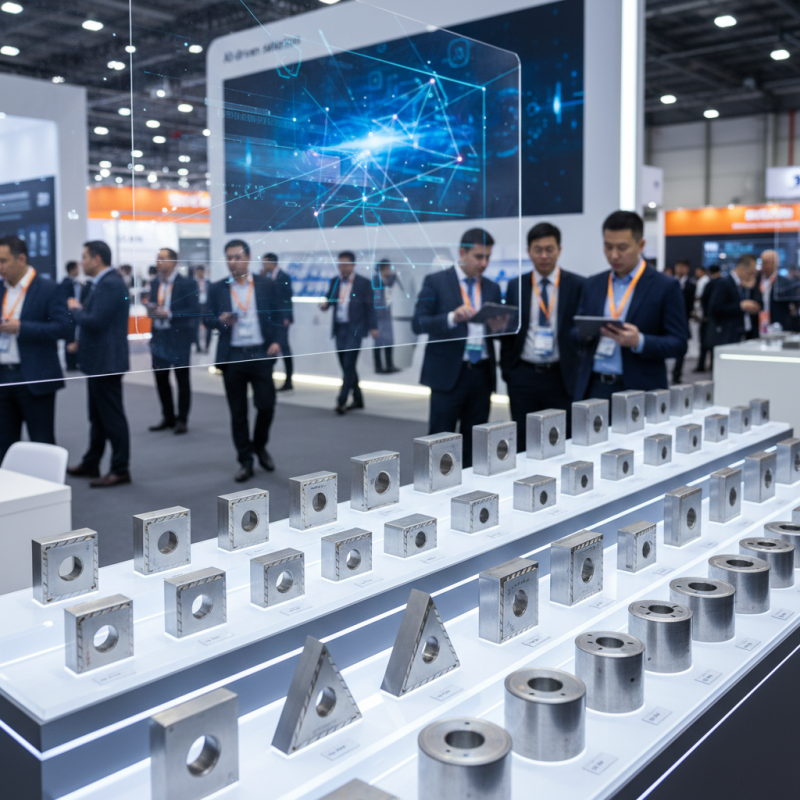
Overview of Cemented Carbide Inserts
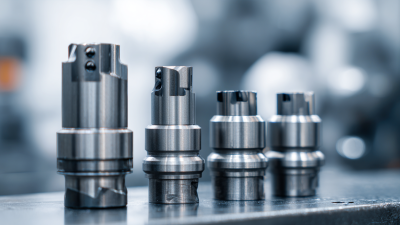
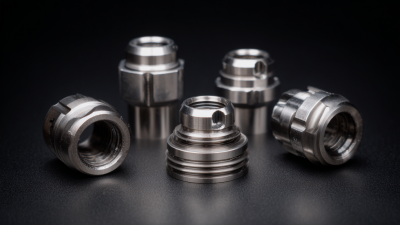
Cemented carbide inserts are essential tools in modern machining. They are made from tungsten carbide and cobalt. This combination provides hardness and durability. These inserts are used for cutting, shaping, and drilling various materials. Manufacturers often seek the best designs for efficiency and longevity.
At the upcoming Canton Fair, many exhibitors will showcase their newest models. The variety includes different grades and geometries. Attendees can learn about innovations in insert technology. However, not all products perform equally. Some lack the expected toughness in challenging applications. Users should carefully evaluate performance data.
A focus on inspection and user feedback is vital. Poor quality inserts can lead to machine downtime. The cost of replacing inserts adds up quickly. It’s crucial for businesses to invest time in testing. Direct comparisons during the fair can provide valuable insights. Engaging with manufacturers could highlight strengths and weaknesses.
Key Manufacturers Showcasing at 139th Canton Fair
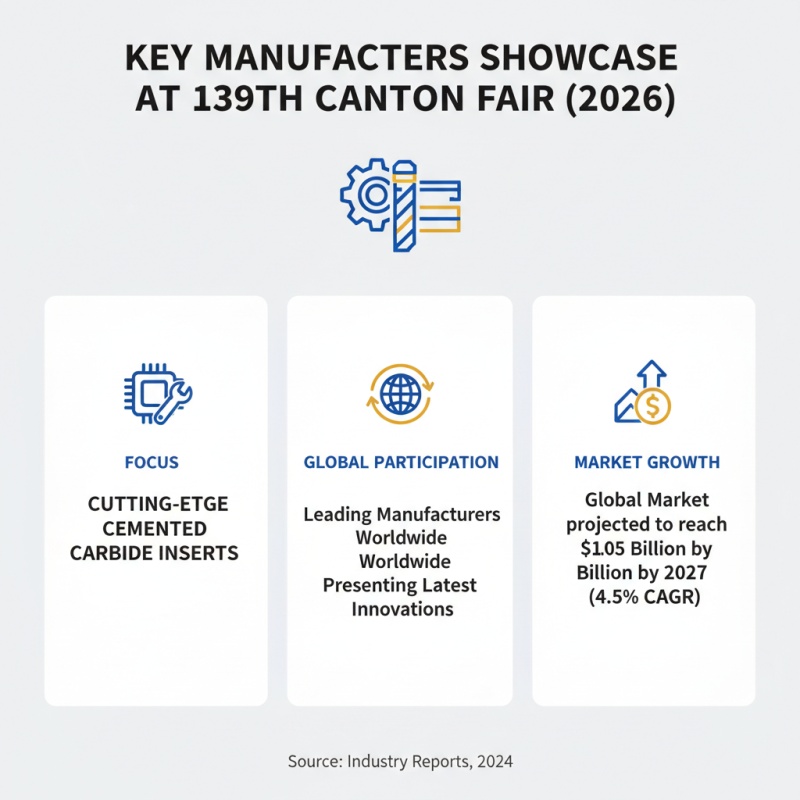
The 139th Canton Fair in 2026 promises to showcase a range of cutting-edge cemented carbide inserts. Key manufacturers from around the world are expected to present their latest innovations. These inserts are crucial in various industries, particularly in metalworking and construction. Recent industry reports indicate that the global market for cemented carbide inserts is projected to reach $10.5 billion by 2027, reflecting an annual growth rate of approximately 4.5%.
Industry experts stress the importance of high-quality inserts. They note that precision and durability are essential for effective performance. However, many manufacturers struggle with consistency. Some products may not meet the expected standards, leading to operational challenges. Reports reveal that about 20% of inserts produced do not pass stringent quality checks. This raises concerns about reliability in high-stakes environments.
During the fair, visitors can expect to see a variety of tools. From turning to milling applications, the innovations in design will be a focal point. Attendees should be prepared to explore different materials and coatings used in these inserts. It is crucial to engage with producers about their quality control processes. Understanding these aspects can help mitigate risks and ensure better outcomes in manufacturing processes.
Innovative Technologies in Cemented Carbide Inserts
At the 139th Canton Fair in 2026, innovative technologies in cemented carbide inserts will take center stage. These inserts are essential tools in various machining processes. They enhance efficiency and extend tool life compared to traditional materials. Many manufacturers are focusing on improving durability and performance.
Recent advancements include new coating techniques that improve wear resistance. Some companies are experimenting with different carbide compositions to optimize cutting performance. There have been mixed results, though. While some new materials show promise, others may not meet industry expectations. The pursuit of perfection continues.
Sustainability is also a hot topic. Companies are looking for eco-friendly materials to make inserts. This approach aims to reduce waste and environmental impact. However, these green alternatives sometimes compromise on performance. Balancing innovation with practical application remains a challenge. The upcoming fair will showcase these complex dilemmas and creative solutions in the industry.
Applications and Benefits of Cemented Carbide Inserts
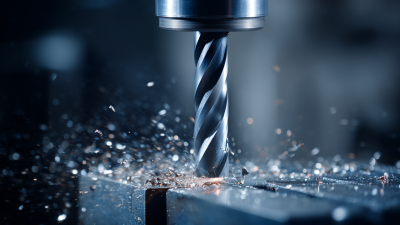
Cemented carbide inserts are essential tools in metalworking. They provide high durability and wear resistance, making them ideal for various applications. These inserts are commonly used in machining operations like turning, milling, and drilling. Their hardness enables them to cut through tough materials effectively.
One significant benefit is the ability to maintain a sharp edge longer than standard tools. This leads to fewer tool changes and reduced downtime in production. However, users must consider the potential for brittle failure when subjected to heavy loads. Proper tool selection and usage are vital to maximize their lifespan and performance.
In diverse manufacturing settings, cemented carbide inserts can produce high precision components. Their versatility means they can be tailored for specific tasks, like adjusting geometry for different materials. Yet, not all applications benefit from their use. Each scenario demands careful evaluation to avoid wasteful expenditure. Understanding these aspects fosters better investment decisions in tooling solutions.
Market Trends and Future Prospects for Cemented Carbide Industry
Cemented carbide inserts are gaining attention in the manufacturing sector. The demand for durable and efficient machining tools continues to rise. Market trends indicate a shift towards high-performance materials. This shift supports longer tool life and better precision in manufacturing processes. Companies are investing in research to enhance wear resistance and cutting efficiency.
As the industry grows, sustainability has become a pressing issue. Manufacturers must balance productivity with environmental impact. Some are exploring recycling options for used carbide tools. This could reduce waste and promote circular economy practices. However, challenges remain. The recycling process can be complex and expensive.
Innovation is crucial for the future of cemented carbide. The integration of advanced technologies in production is necessary. Companies face pressure to adapt and improve. Not all resist these changes well. Some manufacturers struggle with adding new techniques. The potential gains are significant though, highlighting a pressing need for adaptation.