| Metal Cutting |
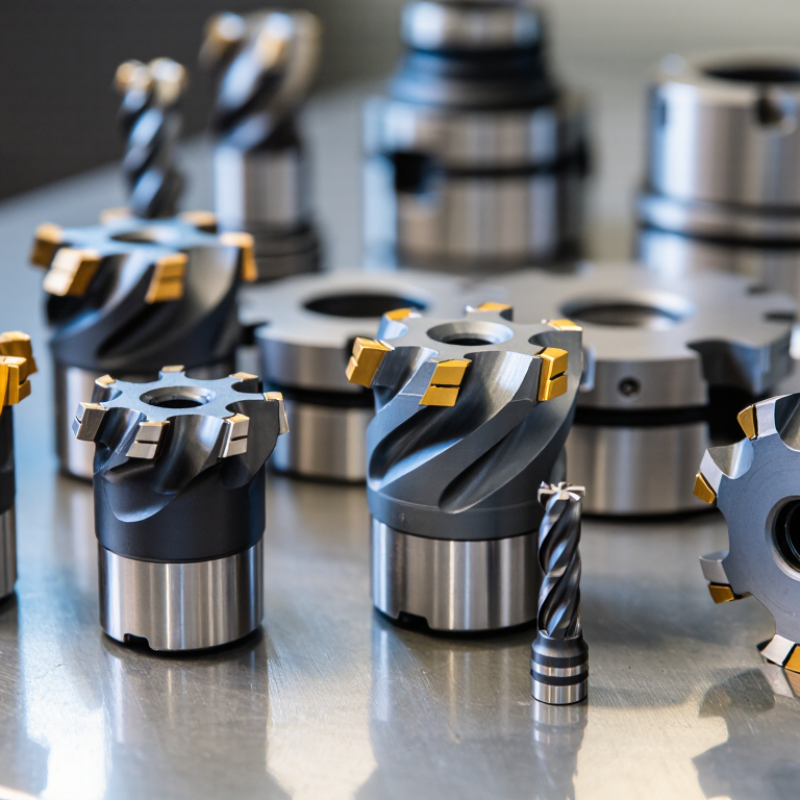
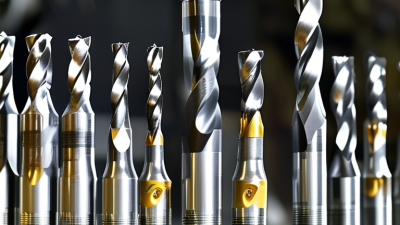
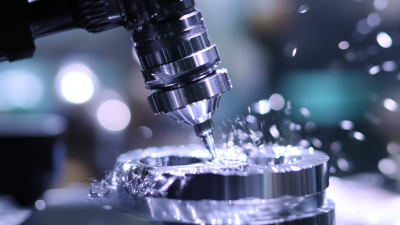
Turning inserts, milling inserts, drills, and reamers |
Tungsten carbide particles bonded with cobalt; cutting grades may also contain titanium carbide, tantalum carbide, or niobium carbide |
High hardness, hot hardness, and resistance to plastic deformation |
Supports high cutting speeds and long tool life compared with many conventional tool steels |
Steel, cast iron, stainless steel, non-ferrous alloys, and high-temperature alloys |
| Mining and Rock Drilling |
Drill buttons, cutting picks, rotary drilling inserts, and raise-boring cutters |
Coarse-grained tungsten carbide with a cobalt binder is commonly selected for impact resistance |
High fracture toughness, compressive strength, and wear resistance |
Maintains cutting edges under repeated impact and abrasive contact |
Hard rock, coal, ore bodies, concrete, and other abrasive geological formations |
| Oil and Gas Drilling |
Fixed-cutter drill-bit cutters, wear pads, and downhole components |
Tungsten carbide-based hardmetal, often combined with polycrystalline diamond or other hard cutting materials |
Resistance to abrasion, erosion, vibration, and compressive loading |
Protects critical surfaces and helps maintain cutting performance in deep-hole drilling |
Formation rock, drilling fluid, sand-bearing formations, and high-load downhole conditions |
| Construction and Road Building |
Milling picks, trenching teeth, concrete-cutting tools, and wear inserts |
Impact-resistant tungsten carbide grades with medium-to-coarse carbide grains |
Balanced toughness and resistance to abrasive wear |
Extends service intervals for tools exposed to aggregate and fractured material |
Asphalt, reinforced concrete, natural stone, road aggregate, and masonry |
| Woodworking and Composite Processing |
Saw tips, router cutters, planer knives, and drill tips |
Fine- to medium-grained tungsten carbide with a cobalt binder |
Sharp edge retention and resistance to abrasion |
Produces consistent cuts during high-volume processing |
Hardwood, softwood, particleboard, medium-density fiberboard, laminates, and plastics |
| Wear Parts |
Nozzles, dies, guides, bushings, seals, and liners |
Tungsten carbide with cobalt or nickel-based binder systems, depending on corrosion requirements |
Low wear rate, high compressive strength, and dimensional stability |
Reduces replacement frequency and maintains component tolerances |
Slurry handling, wire drawing, forming equipment, pumps, valves, and abrasive processing lines |
| Metal Forming |
Cold-heading dies, stamping dies, drawing dies, and extrusion tooling |
Fine-grained tungsten carbide grades selected for compressive strength and edge stability |
Very high compressive strength and resistance to galling and deformation |
Maintains die geometry during repeated forming cycles |
Steel wire, copper alloys, aluminum alloys, fasteners, tubes, and precision-formed parts |
| Wire and Tube Drawing |
Drawing dies, sizing dies, and guide components |
Fine-grained tungsten carbide; carbide grade is selected according to load, material, and surface-finish requirements |
Smooth surface finish, hardness, and resistance to abrasive wear |
Provides consistent diameter control and longer die life |
Steel, copper, aluminum, brass, and other ductile metal products |
| Aerospace and Energy Equipment |
Precision cutting tools, wear inserts, and erosion-resistant components |
Fine-grained or corrosion-resistant cemented carbide grades |
High dimensional stability and reliable performance under demanding loads |
Supports accurate machining and protection of high-value components |
Titanium alloys, nickel-based superalloys, composite materials, and energy-system components |
| Typical Material Characteristics |
Bulk cemented carbide used for industrial tooling and wear components |
Usually about 70–97% tungsten carbide by mass, with approximately 3–30% metallic binder; exact values vary by grade |
Hardness commonly about 700–2,000 HV30; density commonly about 10–15.5 g/cm³ |
Combines the hardness of tungsten carbide with the toughness provided by the metallic binder |
Performance depends on carbide grain size, binder content, binder chemistry, porosity, and manufacturing quality |