How to Choose the Best Tungsten Carbide Alloy for Your Needs?
Choosing the right Tungsten Carbide Alloy can be a challenging task. With various options available, the decision requires careful consideration. Understanding your specific needs is essential for making an informed choice.
Tungsten Carbide Alloy is known for its exceptional hardness and wear resistance. These properties make it suitable for a variety of applications, including manufacturing tools and industrial machinery. However, not all alloys are created equal. Each type has unique characteristics that cater to different requirements. It's crucial to evaluate these differences.
Many factors affect the performance of Tungsten Carbide Alloy. These include grain size, binder content, and intended use. Selecting an alloy that aligns with your needs can enhance durability and efficiency. But, overlooking certain aspects can lead to suboptimal results. Therefore, it's important to reflect on what you actually need and not just on trends or recommendations.

Understanding Tungsten Carbide Alloys and Their Applications
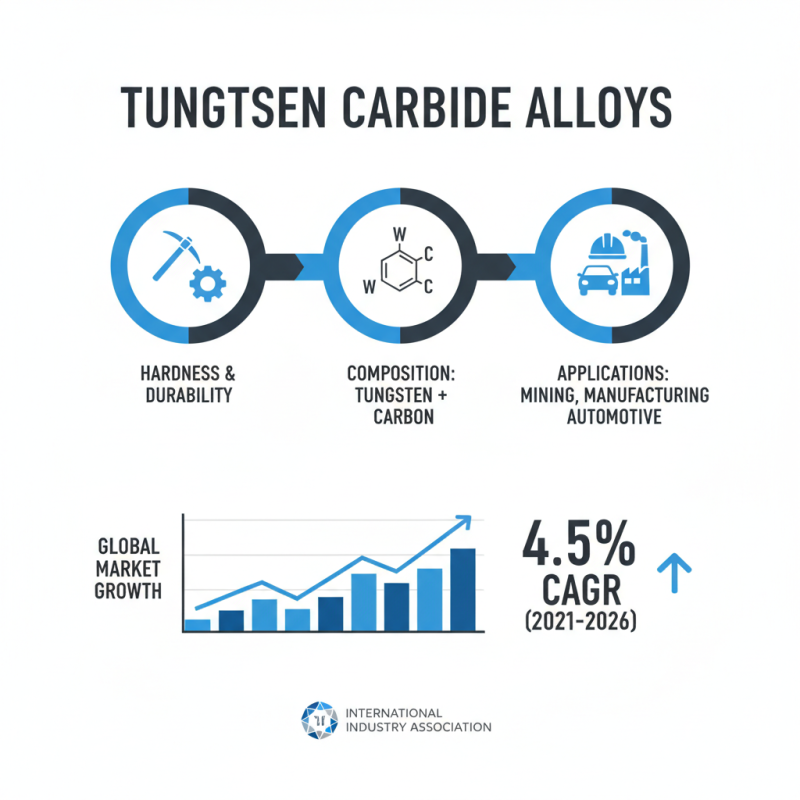
Tungsten carbide alloys are renowned for their hardness and durability. They consist primarily of tungsten and carbon, creating a compound that is exceptionally tough. These alloys find their applications across various industries, including mining, manufacturing, and even the automotive sector. According to the International Tungsten Industry Association, the global market for tungsten carbide is projected to grow at a CAGR of 4.5% from 2021 to 2026. This growth underlines the increasing demand for these alloys in high-performance applications.
Choosing the right tungsten carbide alloy can be complex. Different compositions offer varying benefits. For instance, alloys with cobalt bonding can provide improved toughness, making them suitable for mining tools. In contrast, nickel-based bonds may enable better corrosion resistance. A study published in the Journal of Materials Science highlights that the choice of matrix binder significantly impacts the wear resistance of the alloy. This variation demonstrates the importance of tailoring alloys to specific applications.
Despite their strengths, tungsten carbide alloys are not without challenges. They can be brittle, especially in extreme conditions. This brittleness may lead to unexpected failures in critical applications. Additionally, some alloys can lose efficiency over time, making ongoing assessments essential. Understanding these nuances helps users make informed decisions.
Identifying the Key Factors in Choosing the Right Alloy
When choosing a tungsten carbide alloy, understanding key factors is crucial. The alloy's hardness, wear resistance, and manufacturing process significantly impact performance. Research by the International Tungsten Industry Association shows that tungsten carbide's hardness can reach 9 on the Mohs scale, making it superior for cutting tools and wear applications.
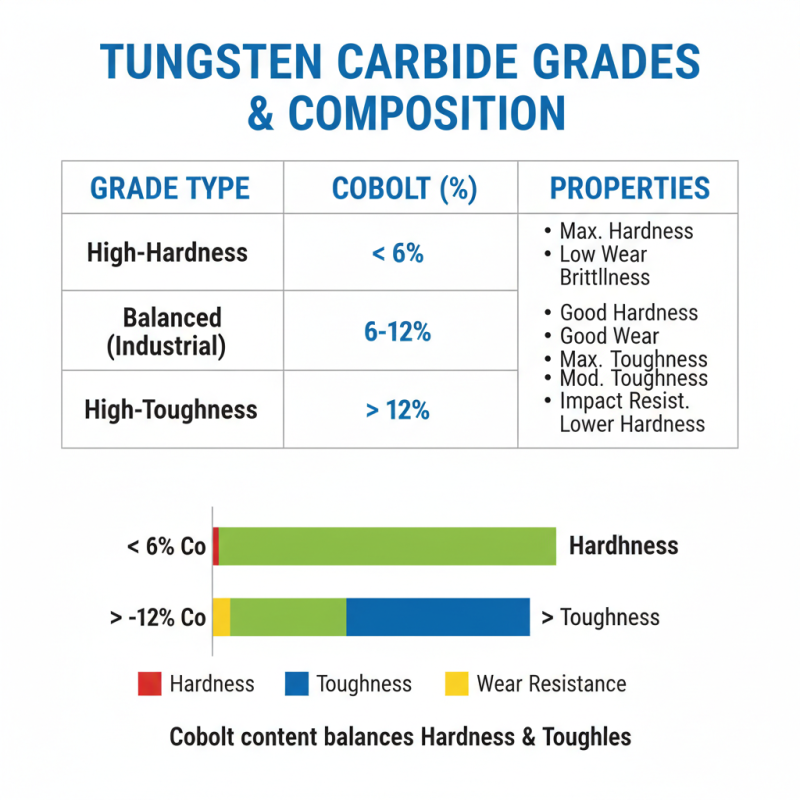
One essential factor is the cobalt percentage in the alloy. Higher cobalt content can improve toughness, but it may reduce hardness. Data suggests that an optimal balance is vital, as a cobalt percentage of around 6-10% typically yields a reliable mix of toughness and hardness.
Tips: Evaluate your specific application requirements. Do you need extreme hardness or more toughness? Consider environmental factors as well. If your application exposes the alloy to corrosive elements, select a coated variant for added protection. Focused testing can reveal performance differences that matter in practical use.
Reflecting on your choice is important. An alloy that excels in one area may not perform as well in another. Thoroughly assess your operational conditions to make an informed decision. Always consult with alloy experts to gain insights into material performance based on real-world application data.
Comparison of Tungsten Carbide Alloys Based on Key Factors
This chart illustrates the comparison of various tungsten carbide alloys based on key factors that are essential in selecting the right alloy for specific needs. Higher values indicate better performance in each category, which can help guide your decision-making process.
Comparing Different Tungsten Carbide Grades and Composition
When selecting a tungsten carbide alloy, understanding the composition is crucial. Tungsten carbide grades vary significantly in hardness, wear resistance, and toughness. For example, a grade with a higher cobalt content typically displays increased toughness but may offer lower hardness. Reports indicate that alloys with cobalt concentrations of 6-12% often balance these attributes well for industrial applications.
Different compositions influence performance in specific environments. Tungsten carbide with chromium or tantalum additions can enhance corrosion resistance. Studies show that these compositions excel in harsh conditions, like mining or oil drilling. However, this might lead to compromises in wear resistance compared to standard grades. It’s essential to analyze the specific demands of your application against these trade-offs.
Performance data reveals that the hardness of tungsten carbide can reach over 2000 HV, making it suitable for high-impact uses. However, it is also brittle at high hardness levels. Consequently, choosing the right grade requires careful consideration of both hardness and toughness. Assessing real-world performance and potential failures in similar uses can enhance decision-making.
Evaluating Performance Metrics for Your Specific Needs
When choosing a tungsten carbide alloy, performance metrics are crucial. Hardness, wear resistance, and toughness are key indicators. A study by the American Society for Metals shows that certain tungsten carbide formulations can outlast steel tools by over 30% in high-wear environments. This significant advantage is essential for industries that rely on longevity and efficiency.
Evaluating specific needs also involves assessing operational conditions. For example, high-temperature applications may demand alloys with enhanced thermal properties. Not all tungsten carbide variants excel in these conditions. The right choice hinges on understanding your operational demands. Poor choices can result in premature wear and increased costs.
It's important to consider environmental factors. Moisture, chemical exposure, and temperature fluctuations affect performance. Innovation in tungsten carbide formulations is ongoing, but not every alloy is perfect for all situations. Relying on data from engineers and industry reports is vital. Conduct thorough research and consult with experts to ensure you make an informed decision.
How to Choose the Best Tungsten Carbide Alloy for Your Needs? - Evaluating Performance Metrics for Your Specific Needs
| Alloy Type |
Hardness (HV) |
Density (g/cm³) |
Tensile Strength (MPa) |
Wear Resistance |
Application |
| Tungsten Carbide + Cobalt |
1600 |
14.5 |
2200 |
High |
Cutting Tools |
| Tungsten Carbide + Nickel |
1800 |
15.5 |
2500 |
Very High |
Mining Tools |
| Tungsten Carbide + Iron |
1400 |
13.5 |
2000 |
Medium |
General Purpose |
| Metal Matrix Composite |
2000 |
16.0 |
3000 |
Ultra High |
Aerospace |
Cost Considerations and Budgeting for Tungsten Carbide Alloys
When considering tungsten carbide alloys, cost is a pivotal factor. Recent industry reports indicate that tungsten carbide prices range between $8 and $15 per kilogram. This variability occurs due to factors like purity and manufacturing processes. Custom alloys can be more expensive, sometimes reaching $20 per kilogram. It's essential to assess the long-term value against initial costs.
Here's a tip: Always consult multiple suppliers and get quotes. This can help you understand market prices better. Different suppliers may offer discounts for bulk purchases. Small companies may offer lower prices, but quality could vary significantly.
Prioritize your budget by defining your needs upfront. High-performance alloys may seem costly, but they often last longer than cheaper alternatives. Some studies suggest that investing in superior materials leads to savings in maintenance and replacements. Balancing quality with cost is crucial to making an informed decision. Keep in mind that spending a little more upfront can prevent larger issues down the road.