How to Choose Titanium Tungsten Carbide for Your Needs?
Choosing the right material for industrial applications can be daunting. Titanium Tungsten Carbide is gaining attention for its exceptional properties. According to the latest industry report by Market Research Future, the demand for Titanium Tungsten Carbide is expected to grow at a CAGR of 6.5% over the next five years.
Experts emphasize the importance of selecting the right grade of Titanium Tungsten Carbide. Dr. Emily Hawkins, a leading metallurgist, notes, "Choosing the correct material grade is critical to achieving optimal performance." Different grades offer varied resilience, hardness, and wear resistance, making the choice heavily dependent on specific application needs.
While Titanium Tungsten Carbide offers strength and durability, one must also consider cost and availability. Not every supplier stocks the same grades, and some may not meet industry standards. Balancing performance with budget constraints can be challenging. This complexity can lead to hesitation in decision-making, underscoring the need for thorough research and expert consultation.
Understanding Titanium Tungsten Carbide: Composition and Properties
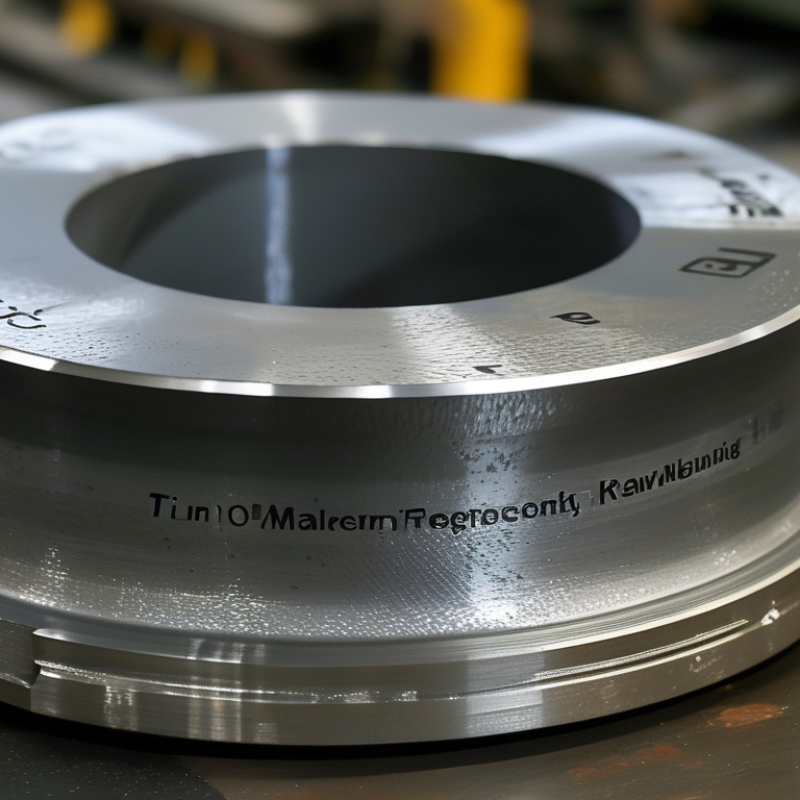
Titanium tungsten carbide is a remarkable material. It combines titanium, known for its lightness, with tungsten carbide, prized for its hardness. This blend results in a product that is both durable and lightweight. These properties make it ideal for various applications, from industrial tools to jewelry.
When choosing titanium tungsten carbide, consider its composition. The ratio of titanium to tungsten carbide can significantly impact performance. A higher tungsten carbide content often means increased hardness. However, it can also make the material heavier. Finding the right balance is crucial.
Tips: Assess your specific needs before making a decision. If durability is paramount, opt for a higher tungsten carbide ratio. If weight matters, lean towards more titanium. Always test samples when possible. Remember, an informed choice can lead to better outcomes in your projects. Balancing these factors is not always straightforward, so take your time to reflect on your priorities.
Comparing Hardness and Durability of Titanium Tungsten Carbide Alloys
When considering titanium tungsten carbide (TiWC) alloys, understanding their hardness and durability is crucial. Titanium carbide is known for its exceptional hardness, while tungsten carbide adds significant toughness. These qualities make TiWC suitable for various applications, from cutting tools to industrial machinery. Evaluating these features helps in making the right choice.
**Tips:** Choose TiWC for applications requiring high wear resistance. A higher hardness rating ensures materials last longer. However, be aware that hardness isn't the only factor influencing performance. Sometimes, tougher materials may perform better in certain conditions, leading to unforeseen challenges.
In real-world use, environments vary widely. Factors like temperature, type of stress, and exposure to chemicals play critical roles. For instance, while TiWC is durable, it may become brittle under extreme temperatures. It's essential to assess the specific demands of your application before choosing the material. Balancing heat resistance with hardness will lead to better outcomes. Notice the trade-offs involved—harder materials can sometimes be less forgiving in high-impact situations, requiring careful consideration.
Comparing Hardness and Durability of Titanium Tungsten Carbide Alloys
Applications of Titanium Tungsten Carbide in Various Industries
Titanium tungsten carbide is a versatile material used in various industries. Its hardness and wear resistance make it ideal for cutting tools and industrial applications. In the aerospace sector, it enhances performance in high-stress environments. This material can withstand extreme temperatures, making it suitable for jet engine components.
In the mining industry, titanium tungsten carbide is used for drilling equipment. Its durability reduces wear, leading to longer tool life. This results in fewer replacements and lower operational costs. However, selecting the right grade is crucial. Different applications may require specific formulations.
Tips for choosing titanium tungsten carbide include assessing the conditions it will face. Understand the temperature and pressure it must endure. Consult industry specialists to find the right configuration. Regular evaluations of tool performance in real-world applications are essential. This reflection can reveal if changes are needed for optimal efficiency. Always remain open to adapting your choices as demands evolve.
Factors to Consider When Selecting Titanium Tungsten Carbide Products
Selecting the right titanium tungsten carbide products requires careful consideration of several key factors. These materials are renowned for their durability and resistance to wear, making them ideal for various applications. According to recent market studies, the global tungsten carbide market is projected to reach approximately $26 billion by 2026. This growth underscores the material’s increasing relevance across industries.
One critical aspect to consider is the specific application of the product. For instance, high-performance cutting tools demand a tungsten carbide with a specific cobalt content. A higher cobalt content may improve toughness but can reduce hardness. Additionally, hardness levels can significantly affect performance. Products with a hardness rating of over 1600 HV (Vickers hardness) tend to perform better in extreme environments. Understanding these specifications is vital for ensuring optimal functionality.
Another important factor is the manufacturing process. The method used to create titanium tungsten carbide can influence its overall properties. Some methods lead to finer grain structures, enhancing strength and toughness. Industry experts recommend assessing the source of the materials. Ensure that the products meet strict industry standards, such as ISO 9001 certifications.
Finally, practicality also plays a role. Cost is an essential factor, yet quality should not be sacrificed for savings. Consulting with industry professionals can provide insights into balancing these aspects effectively. Always question if the selected product truly meets the operational needs.
How to Choose Titanium Tungsten Carbide for Your Needs? - Factors to Consider When Selecting Titanium Tungsten Carbide Products
| Factor |
Description |
Importance Level |
| Material Composition |
Understanding the ratio of titanium to tungsten carbide affects hardness and durability. |
High |
| Application |
Consider the specific use case, whether for industrial, medical, or other applications. |
Medium |
| Cost |
Evaluate your budget against the cost of titanium tungsten carbide products. |
High |
| Finish |
Consider surface finishing options, as they can affect performance and aesthetics. |
Medium |
| Manufacturer Experience |
Research the reputation and experience of the manufacturer in producing these materials. |
High |
| Certifications |
Check for relevant industry certifications ensuring quality and safety standards are met. |
High |
Cost Analysis: Price Range of Titanium Tungsten Carbide Materials and Tools
When exploring titanium tungsten carbide, cost becomes a significant factor. The price range for these materials and tools can vary widely. On average, you might find basic tungsten carbide tools beginning at around $30. For more specialized titanium tungsten carbide items, prices can rise to $200 or more. These materials often justify their cost through durability and performance.
Investing in quality may seem steep, but it pays off long-term. Think about how often you will use the tools. A lower-priced option might save money upfront but require frequent replacements. That's not always wise, especially in demanding applications. Sometimes, spending a bit more initially can lead to significant savings later.
Always consider your specific needs. Certain projects may require specialized tools, which can be pricier. Be mindful of what you truly need versus what’s available. Research carefully before making a decision. Balancing cost and quality is challenging but essential. It's a nuanced choice where every detail counts. Your final decision should be based on thorough evaluation and practical reflection.