How to Choose the Right Cemented Carbide Tools for Your Needs?
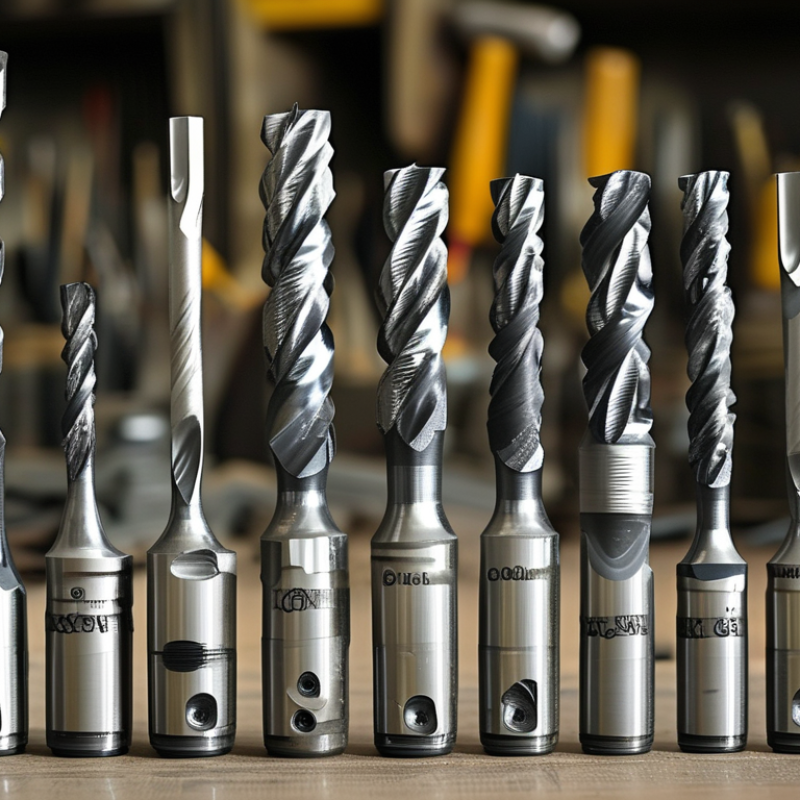
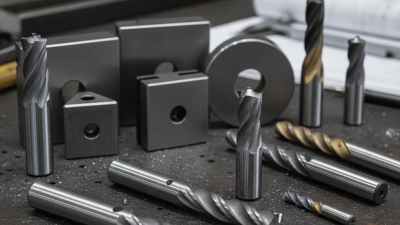
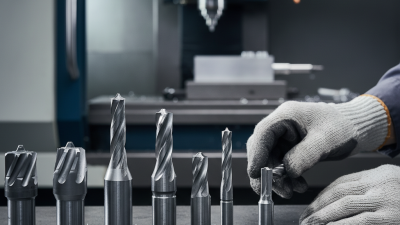
Choosing the right Cemented Carbide Tools for your projects is crucial. These tools are known for their durability and precision. With many options available, selecting the best can be a challenge. Each task demands specific characteristics from the tools.
Consider the material you’ll be working with. Different tasks will require different grades of Cemented Carbide Tools. A mismatched choice can lead to inefficiency or even tool failure. Take time to research each option's advantages. Understanding your requirements is essential for successful outcomes.
Don't overlook practical experiences. Seek feedback from other professionals. Their insights can guide your selection process. Remember, even expert choices can lead to unexpected results. Reflect on past experiences to improve future decision-making.
Understanding Cemented Carbide: Composition and Properties
Cemented carbide is a composite material made from hard particles in a metallic binder. Typically, tungsten carbide and cobalt form the backbone of this material. The hardness of the tungsten carbide gives the tool its cutting edge, while cobalt enhances toughness and resistance to shock. This combination results in tools that can endure extreme conditions.
Understanding the composition helps in selecting the right tool for various applications. Different ratios of carbide to binder can affect performance. Tools designed with high carbide content are harder but may be more brittle. Conversely, a higher binder content can improve toughness but may sacrifice hardness. It's essential to think critically about your needs. Recognizing the specific demands of your project helps in making informed choices.
Quality is paramount. However, not all manufacturers provide reliable tools. Inspect materials and specifications when choosing cemented carbide products. Evaluate performance and durability through real-world application feedback. Consider factors like wear resistance and thermal stability. A deep understanding of properties leads to better tool selection.
How to Choose the Right Cemented Carbide Tools for Your Needs?
| Tool Type |
Composition |
Properties |
Applications |
| Turning Inserts |
WC, Co |
High hardness, Wear resistance |
Metal cutting, Automotive |
| Milling Cutters |
WC, TiC, Co |
Toughness, Thermal stability |
Machining, Aerospace |
| Drills |
WC, TaC, Co |
High wear resistance, Excellent sharpness |
Metal drilling, Composite materials |
| Reamers |
WC, Co |
Dimensional accuracy, Good finish |
Precision finishing, Hole enlargement |
Assessing Tool Geometry for Maximum Cutting Efficiency
Choosing the right tool geometry is crucial for effective machining. Tool geometry directly impacts cutting efficiency. Factors like rake angle, clearance angle, and cutting edge sharpness must align with your materials. For example, a positive rake angle can reduce cutting forces. However, excessive positivity might lead to premature tool wear.
Understanding your specific application helps in this assessment. Different materials require different geometries. Hard materials may need tougher geometries. In contrast, softer materials can benefit from sharper edges. Testing various geometries is beneficial. Documenting performance can reveal what works best.
However, not all tools will perform perfectly in every scenario. You may face challenges with tool wear or inconsistent results. Reflecting on these experiences leads to better choices in the future. Balancing geometry with the characteristics of your material will enhance precision and efficiency. Adjusting your approach based on reflection and experience plays a key role.
Evaluating Coatings for Enhanced Performance and Durability
Choosing the right coating for cemented carbide tools can significantly impact performance and longevity. Coatings enhance durability and reduce wear, addressing common challenges in machining. According to a report by the Global Tooling Market, tools with advanced coatings show up to 30% longer lifespan compared to uncoated options. Such data illustrates the importance of selecting the appropriate coating.
Different coatings serve specific purposes. Titanium nitride (TiN) provides excellent wear resistance and improves surface hardness. Meanwhile, titanium carbonitride (TiCN) offers enhanced toughness, making it suitable for high-speed applications. A study published in the Journal of Manufacturing Processes indicates that tools with TiCN coatings can achieve up to a 40% increase in friction resistance. Evaluate the specific needs of your application before deciding.
However, choosing a coating is not always straightforward. Factors like cutting speed, material compatibility, and operating environment play significant roles. Some coatings may perform well in one scenario but fail in another. This complexity requires careful consideration and thorough testing to optimize tool performance. Always revisit your choices and adjust as needed, ensuring that results meet operational demands.
Selecting the Right Grade Based on Material and Application
Choosing the right grade of cemented carbide tools requires understanding both the materials being machined and the specific applications they will serve. For instance, when machining steel, a grade with a higher cobalt content is often beneficial. Cobalt provides better toughness, which helps to resist wear. According to a recent industry report, using the correct grade can improve tool life by 30%, significantly reducing costs.
It's also crucial to consider the application environment. For challenging conditions, such as high-speed machining, selecting a harder grade can minimize tool wear. However, this could lead to brittleness if not balanced correctly. Industry research indicates that many users fail to assess wear patterns, often leading to premature tool failure. This emphasizes the need to reflect on the wear rates and adjust the tool grades accordingly.
Moreover, the choice in tool geometry and coating can further influence performance. A well-designed tool can enhance cutting efficiency while reducing cutting forces. In metalworking, a mismatch between tool grade and application can sometimes lead to misunderstandings, causing operations to suffer. Continuous learning and adapting to new material compositions is essential for maintaining an edge in today's manufacturing landscape.
Cost-Benefit Analysis of Different Cemented Carbide Tools
Choosing the right cemented carbide tools involves a careful analysis of cost versus benefits. These tools are known for their durability and efficiency. However, their initial costs can be significant. By assessing the long-term value, users can better understand their investment.
When evaluating different options, consider the tool's wear resistance and cutting performance. Higher-quality tools often last longer, which can reduce the frequency of replacements. This leads to lower costs over time. However, not all users need premium options. For some projects, standard-grade tools may suffice. Identifying the right balance is essential.
It's also crucial to consider specific applications. Some tools excel in precision, while others perform better in bulk material removal. Each project's requirements will guide the selection process. Rethink your choices based on performance metrics and user feedback. Engaging with experienced professionals can provide insights that numbers alone might not reveal.