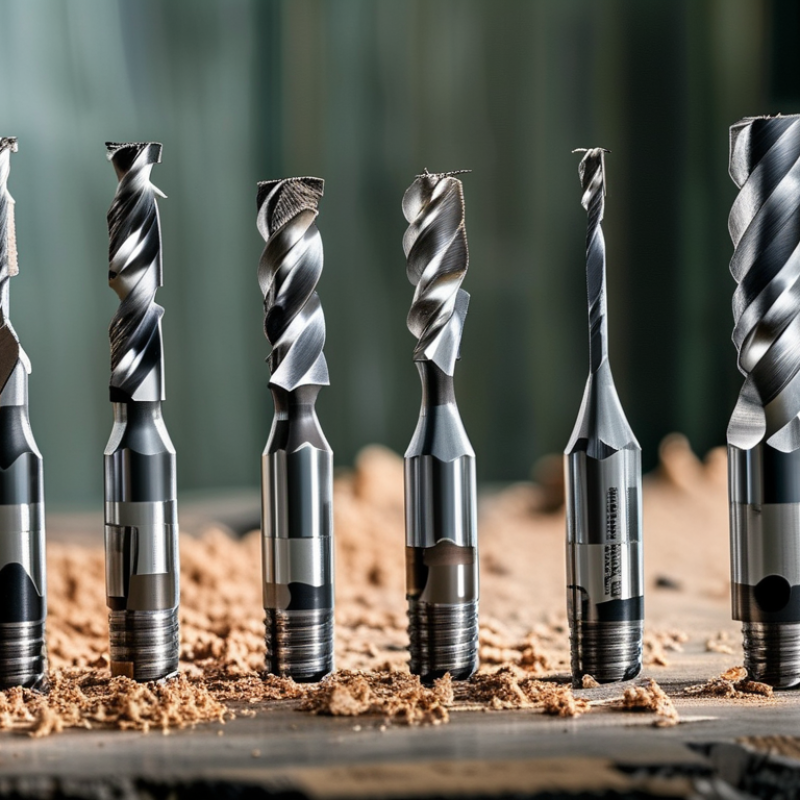
2026 How to Choose the Right Carbide Burr Tool for Your Needs?
Choosing the right Carbide Burr Tool can seem daunting. With so many options available, it's easy to feel overwhelmed. Each tool serves a specific purpose, and selecting the wrong one can lead to frustration.
Understanding your project needs is crucial. Factors such as material type, desired finish, and the shape of the burr all play pivotal roles. Ideally, you should consider your experience level as well. A beginner might need a more user-friendly tool, while an expert may seek specialized options.
In this guide, we will explore essential features and tips for selecting the perfect Carbide Burr Tool. This will help ensure that your investment yields the best results. Remember, a well-chosen tool can significantly enhance your efficiency and effectiveness. Take your time to reflect on what suits you best.
Understanding Carbide Burr Tools: Types and Applications
Carbide burr tools are essential for various applications, from metalworking to woodcraft. Understanding the types of carbide burrs available and their uses is critical for achieving optimal results. According to industry reports, the global market for carbide tools is projected to grow by 6% annually through 2026. This growth reflects their importance in diverse manufacturing processes.
Different carbide burr types serve specific functions. For instance, cylindrical burrs are great for deburring edges, while flame-shaped burrs excel in contouring surfaces. Research shows that choosing the right burr can increase efficiency by up to 30%. However, not every operator understands the subtleties of burr selection. Mistakes in this area can lead to increased production costs and longer project timelines.
Tips: Always assess the material you will work with before selecting a burr. Softer materials can use finer burrs, while tougher materials require robust, coarse types. Testing various burrs on scrap materials can reveal their effectiveness. Regularly check burr wear, as dull tools compromise precision. Stay informed about new burr innovations; the right choice can dramatically enhance your workflow and results.
2026 Carbide Burr Tool Selection: Types and Applications
Factors to Consider When Choosing Carbide Burr Tools
When selecting the right carbide burr tool, several factors come into play. The first consideration is the
material you will be working with. Different materials require
specific burr types to achieve optimal results. For instance, working on metal may necessitate a different burr than that
for wood or plastic. Understanding the material properties can guide you effectively.
Another important aspect is the burr's shape and size. The shape determines how efficiently you can work on
intricate designs. Different shapes like ball, cylinder, and flame allow for various applications. Size can
influence the precision of your work. Using a burr that's too large may hinder access to tight spots, while one that’s too
small may not cover enough area.
Tips: Always test your burr tool on a scrap piece first. This can help you assess its effectiveness.
Consider the finish it leaves; a rough finish may need further smoothing. Lastly, ensure that your tool is compatible
with your equipment. The wrong fit can lead to poor performance and risks damage. Evaluate your needs regularly.
Reflecting on past usage can help you make better choices when purchasing new tools.
Selecting the Right Size and Shape for Specific Projects
Choosing the right size and shape of carbide burr tool is crucial for your project’s success. Different applications require distinct burr configurations that produce optimal results. For example, a ball-shaped burr is perfect for contouring and smoothing surfaces. If you're working on metal, a pointed burr might be more beneficial. Each shape holds unique advantages, impacting the final finish and precision.
When selecting a burr, consider the material and its density. Softer materials allow for larger burrs, while harder materials demand finer tools. The size of the burr also affects wood and metalwork; larger options remove more material quickly. However, they can be less precise, making it essential to balance speed with accuracy. It’s worth noting that skilled users often find they need multiple sizes to manage various tasks effectively.
It's common for users to start with one burr shape, later realizing it doesn't meet all needs. Experimenting with various shapes can reveal surprising insights. Becoming familiar with the nuances of each tool can enhance your skills over time. Ultimately, the right selection enhances the quality of completed projects and builds confidence in using these tools. Engaging in continuous practice leads to better decision-making about which burr suits your specific task.
Assessing Quality: Material and Durability of Carbide Burrs
When selecting a carbide burr tool, the material and durability are vital considerations. Carbide burrs are crafted from high-quality tungsten carbide, known for its hardness and resistance to wear. This material enables burrs to maintain their cutting efficiency even under rigorous use. A top-notch carbide burr can last significantly longer than its low-quality counterparts, translating to cost savings over time.
However, not all carbide burrs are created equal. Some may appear robust but can chip and break under pressure. It's crucial to assess the burr’s construction. A finely ground surface leads to a smoother finish on your workpieces. Conversely, burrs with rough or uneven surfaces can cause additional work, leading to frustration.
Durability also hinges on the design. Burrs come in various shapes and sizes, each suited for specific applications. Picking the wrong type may wear out faster due to inappropriate usage. Regular users often face the dilemma of finding the ideal burr that balances performance and longevity. Testing different options can lead to valuable insights, helping users refine their choices over time.
2026 How to Choose the Right Carbide Burr Tool for Your Needs? - Assessing Quality: Material and Durability of Carbide Burrs
| Burr Type |
Material |
Durability (hrs) |
Ideal Application |
| Single Cut |
Solid Carbide |
20-30 |
Aluminum, Soft Metals |
| Double Cut |
Carbide Tipped |
25-35 |
Ferrous Metals, General Purpose |
| Flame Cut |
Cobalt Carbide |
30-40 |
Stainless Steel, Hard Metals |
| Tapered |
Micrograin Carbide |
15-25 |
Curved Surfaces, Finishing |
| Ball Nose |
Solid Carbide |
20-30 |
Detailing, Engraving |
Tips for Safe and Effective Use of Carbide Burr Tools
Using carbide burr tools can enhance your work efficiency, yet safety remains a top priority. According to a report by the National Safety Council, improper tool use accounts for over 30% of workplace injuries. Ensuring that you use the right cutting technique is critical. Always maintain a firm grip and use both hands if possible. This stability reduces the chance of slipping and accidents.
Before starting any project, it's essential to wear appropriate personal protective equipment (PPE). Safety goggles and gloves are minimum requirements. A study from the Occupational Safety and Health Administration highlights that PPE can prevent serious injuries in over 80% of incidents. It's also wise to inspect your tools regularly. Worn or damaged burrs can lead to unexpected breakage, posing hazards during operation.
When using carbide burr tools, remain mindful of your work environment. An organized workspace minimizes distractions and enhances concentration. But not all surfaces are perfect. Sometimes, the debris can impede visibility or damage sensitive projects. Reflect on your routine to mitigate these risks. Analyzing past experiences may help identify areas for improvement, ensuring that you and your colleagues work safely and effectively.