Why Choosing Tungsten Tooling is Essential for Your Business?
In today’s competitive manufacturing landscape, choosing the right materials is crucial. Tungsten Tooling stands out as a superior option. Jason Thompson, a renowned expert in the tooling industry, emphasizes, “Tungsten tooling offers unmatched durability and precision.” These qualities can significantly enhance operational efficiency.
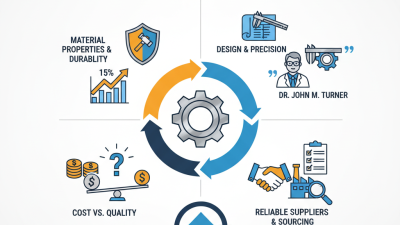
Tungsten Tooling's high tensile strength and heat resistance make it ideal for demanding applications. Businesses can rely on its longevity, reducing frequent replacements. This results in cost savings over time. However, it is essential to assess whether your specific needs align with its unique properties. Some may find it challenging to justify the initial investment.
While Tungsten Tooling may not be necessary for every project, its benefits can be transformative for many. It’s a material that can elevate product quality and streamline processes. Companies should reflect on their production demands before committing. With the right approach, Tungsten Tooling could be a game-changer for your business.
Understanding Tungsten Tooling: An Overview of Its Benefits
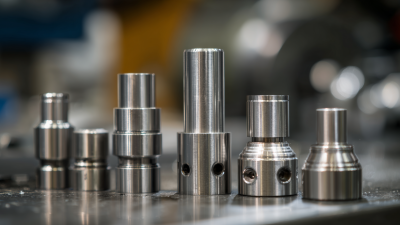
Tungsten tooling stands out in manufacturing due to its exceptional hardness and wear resistance. According to a report from the International Tooling Association, tungsten tools outperform traditional materials by 30% in longevity. This means fewer replacements and lower overall costs for businesses. With the right tungsten tools, manufacturers can maintain precision and efficiency, critical in today's competitive landscape.
Moreover, tungsten's thermal stability allows for high-temperature applications, enhancing performance. A survey by the Global Manufacturing Insights found that companies using tungsten tooling experienced a 25% reduction in production downtime. The ability to withstand extreme conditions makes tungsten indispensable in industries like aerospace and automotive. Despite these advantages, awareness and understanding of tungsten tooling remain low. This gap presents an opportunity for businesses to innovate while addressing the challenges that arise from limited knowledge in this area.
The Durability and Longevity of Tungsten Tooling Compared to Alternatives
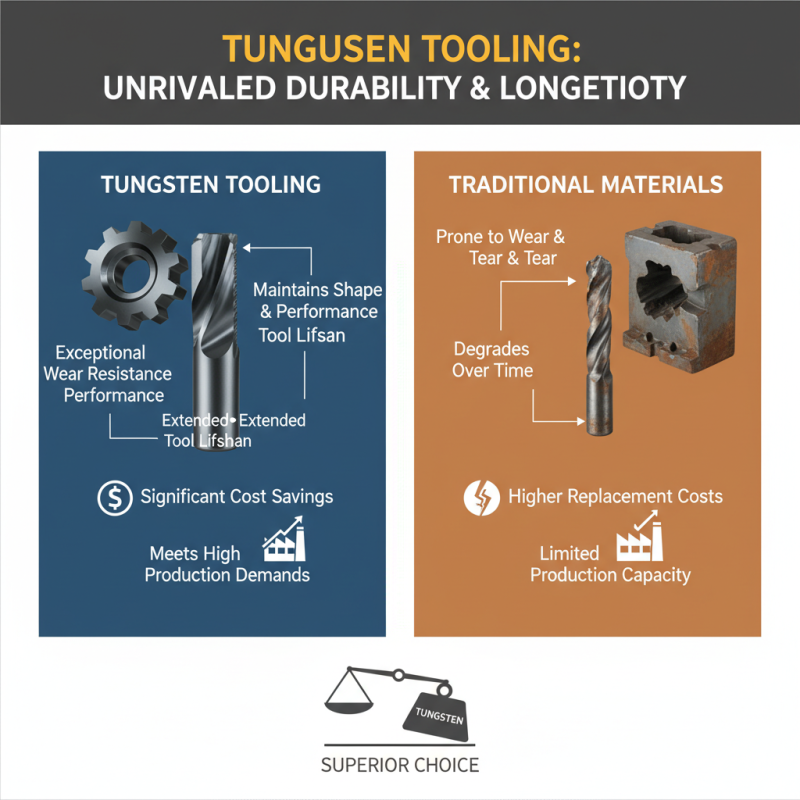
Tungsten tooling stands out in the manufacturing sector for its exceptional durability and longevity. Unlike traditional materials, tungsten exhibits remarkable resistance to wear and tear. This durability ensures that tools maintain their shape and performance over time. As businesses face increasing production demands, choosing tungsten can lead to significant cost savings.
Tips: Always consider the specific application of your tools. Not every task requires tungsten, and understanding the work environment is crucial.
Moreover, tungsten’s high melting point makes it suitable for extreme conditions. Tools can withstand high temperatures without deforming. This advantage is particularly valuable in industries such as aerospace and automotive. However, the initial cost may deter some businesses. It’s essential to weigh these costs against the lifespan and efficiency gained from using tungsten.
Tips: Regular maintenance is still needed. Inspect tools regularly to ensure they perform at their best.
While tungsten tooling offers numerous benefits, challenges remain. The brittleness of tungsten can lead to breakage under unexpected stress. This means that a thorough understanding of your operations is essential to maximize efficacy. In the end, investing in tungsten can reshape your business's approach to tooling, provided you navigate the complexities wisely.
Cost-Effectiveness of Tungsten Tooling in Industrial Applications
Tungsten tooling has become a popular choice in various industrial applications due to its cost-effectiveness. These tools offer exceptional durability and can withstand high temperatures. This means they last longer, reducing the frequency of replacements. Fewer tool changes translate to less downtime in production. For manufacturers, this is a significant factor in overall cost savings.
Additionally, tungsten tooling offers better performance in precision machining. Its rigidity allows for improved accuracy during operations. This precision can lead to higher-quality products, which increases customer satisfaction. However, while tungsten tools may have a higher upfront cost, their longevity can balance this out. A careful analysis is necessary before making a decision.
But there are considerations to keep in mind. Some users report challenges in finding the right tools for specific tasks. While tungsten is durable, it can be brittle under certain conditions, which might lead to breakage. Evaluating the specific needs of your operation is crucial to avoid pitfalls. Understanding the trade-offs can enhance the decision-making process significantly.
Impact of Tungsten Tooling on Manufacturing Efficiency and Precision
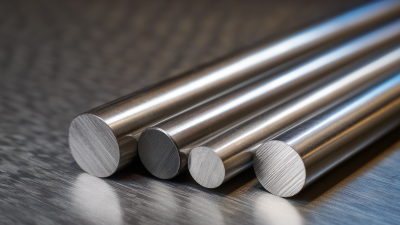
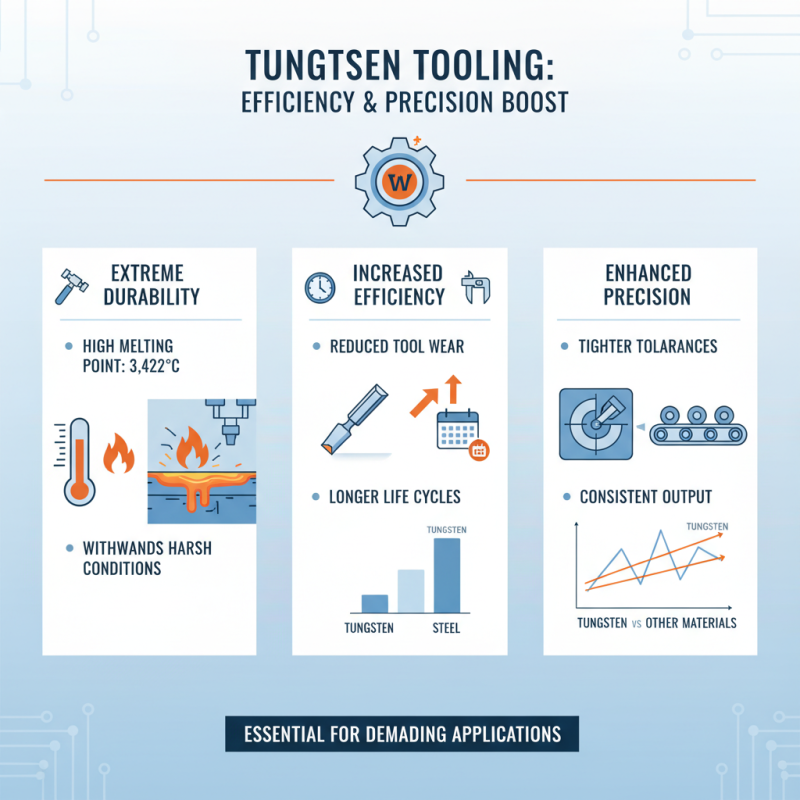
Tungsten tooling significantly enhances manufacturing efficiency and precision. It boasts a high melting point of 3,422°C, allowing it to withstand extreme conditions. This durability translates to reduced tool wear and longer life cycles, making tungsten an essential choice for demanding applications.
Research by the Manufacturing Technology Association shows that tungsten tools can improve machining speeds by 20% compared to standard materials. This increase in speed means operators can produce more parts in less time. However, the initial cost of tungsten tooling may be higher. Manufacturers must weigh the investment against long-term savings and increased productivity.
Precision is another critical aspect. Tungsten's superior hardness enables tighter tolerances in machining processes. According to a report from the International Journal of Advanced Manufacturing Technology, using tungsten tooling can lead to a 30% reduction in dimensional errors. But achieving these benefits requires skilled operators and proper machine settings. Careful attention to these details is vital for maximizing the impact of tungsten tooling on overall production quality.
Choosing the Right Tungsten Tooling for Your Business Needs
Choosing the right tungsten tooling for your business can dramatically impact efficiency and productivity. According to industry reports, companies utilizing tungsten tools see a productivity increase of nearly 25%. Tungsten's hardness and durability make it ideal for precision machining, metal forming, and other demanding applications. Unlike other materials, tungsten withstands high temperatures and wear, leading to longer lifespans and reduced replacement costs.
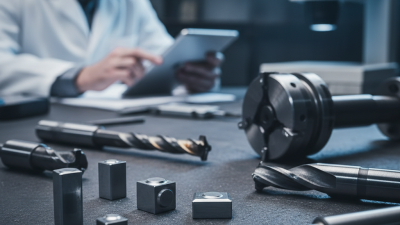
It's essential to evaluate your specific needs when selecting tungsten tooling. Factors such as material type, machining speed, and desired finish should guide your choices. A report by the International Journal of Advanced Manufacturing Technology highlights that tailoring tools to applications can reduce cycle times significantly. However, some businesses overlook these details and suffer from suboptimal performance. Proper analysis and selection ensure that you invest wisely in your tooling solutions.
In addition, while tungsten tooling offers many benefits, it may not suit every application. A deeper understanding of your operation’s requirements can help mitigate risks. Not every machining environment demands tungsten. Conducting a thorough assessment can prevent unnecessary costs and time delays. In the end, the right tungsten tooling should align with your operational goals and enhance overall performance.