Why Choose Tungsten Tooling for Your Manufacturing Needs?
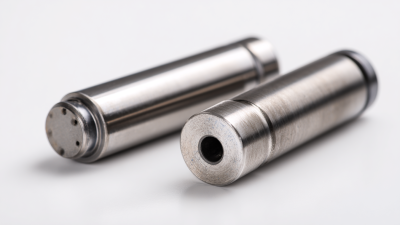
Manufacturing industries face constant challenges in efficiency and quality. One effective solution is Tungsten Tooling. Tungsten is a versatile material known for its durability. According to a report by Grand View Research, the global tooling market is projected to reach $183 billion by 2027. Tungsten Tooling plays a significant role in this growth.
A key advantage of Tungsten Tooling is its high melting point. This property allows tools to withstand extreme conditions. Tooling made from tungsten can last longer, reducing replacement costs. However, the initial investment can be higher. Companies must weigh long-term benefits against upfront costs.
Tungsten Tooling also improves production rates. It minimizes downtime due to wear and tear. By using tungsten, manufacturers can achieve tighter tolerances. This increases the quality of the final product. Nonetheless, proper training on tungsten's handling is crucial. In summary, exploring Tungsten Tooling may lead to meaningful improvements in manufacturing processes.
Advantages of Tungsten Tooling in Manufacturing Processes
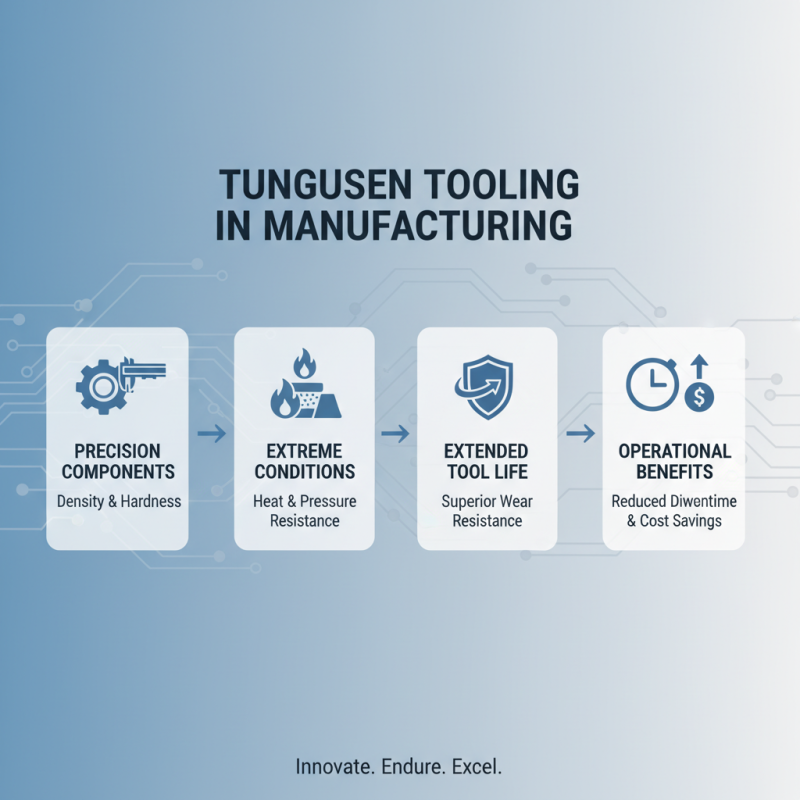
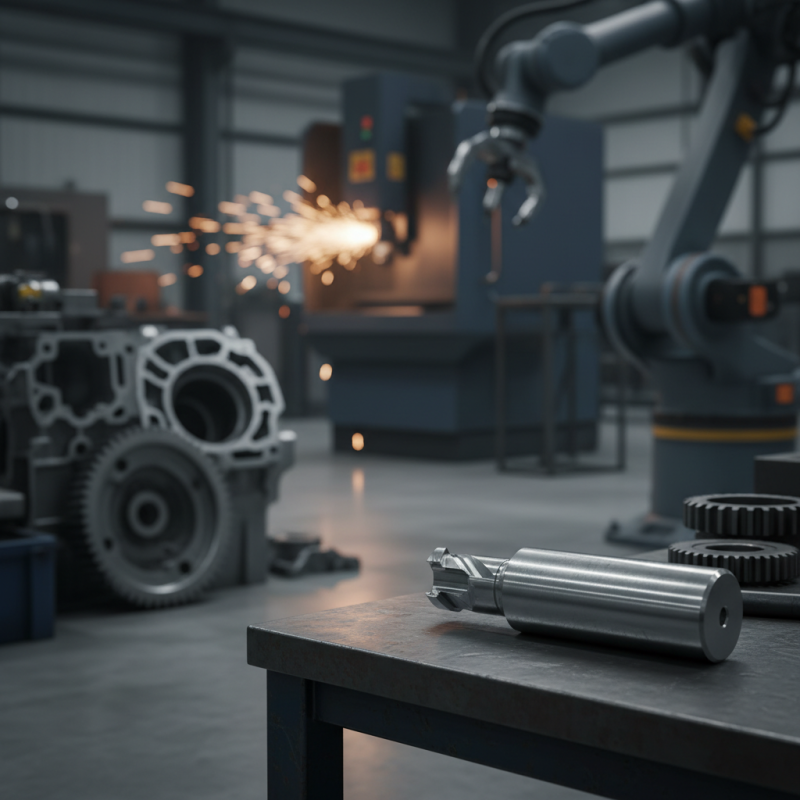
Tungsten tooling is gaining prominence in manufacturing due to several unique attributes. First, tungsten's density and hardness make it ideal for producing precise components. This material can withstand extreme temperatures and pressure. It provides excellent wear resistance, leading to longer tool life. Consequently, manufacturers can see reduced downtime and cost savings.
Moreover, tungsten tooling enhances overall efficiency in production processes. High precision reduces the likelihood of errors, ensuring consistent product quality. However, the upfront investment may seem significant. Some manufacturers hesitate, fearing they might not fully utilize the tool's capabilities. Training staff takes time and resources, which might slow down production initially.
In addition to performance, tungsten tooling can streamline operations. For instance, its thermal stability means fewer adjustments are required during machining. This reliability fosters a more predictable workflow. Yet, partnerships with suppliers become crucial to maximize advantages. Not every supplier understands tungsten’s potential in detail, leading to mismatched expectations. Balancing cost and quality remains a challenge for many.
Key Properties of Tungsten that Enhance Tool Performance
Tungsten is gaining attention in the manufacturing sector. Its unique properties significantly enhance tool performance. Tungsten's high density and hardness make it ideal for cutting and drilling tool applications. According to a recent industry report, tools made of tungsten can withstand extreme wear and tear. They last up to 30% longer than traditional materials in heavy-duty operations.
The melting point of tungsten is incredibly high, around 3,422 degrees Celsius. This temperature resistance allows for effective machining even in extreme environments. In a study conducted by the International Journal of Manufacturing Science, tungsten tools maintained their integrity under conditions where others failed. This makes them suitable for sectors like aerospace and automotive, where precision is non-negotiable.
Despite its advantages, using tungsten is not without challenges. It can be more brittle than softer metals. Proper handling is essential to avoid breakage during production. Additionally, not all manufacturers may have the equipment for tungsten tooling. While tungsten offers impressive benefits, assessing suitability for specific applications is crucial. Making informed decisions can prevent wasted resources.
Comparative Analysis: Tungsten Tooling vs. Traditional Materials
When examining tungsten tooling versus traditional materials, several key aspects stand out. Tungsten is known for its exceptional hardness and durability. It can withstand high temperatures and resist wear better than many conventional options. This makes it ideal for demanding manufacturing processes. Traditional materials often degrade faster, leading to more frequent replacements.
Cost is another factor to consider. Though tungsten tooling may have a higher initial cost, its longevity often offsets this expense over time. Many manufacturers find themselves replacing traditional tools often, creating hidden costs. However, the transition to tungsten can require adjustments. For some, the initial investment may seem daunting, leading to hesitation.
Performance is critical. Tungsten provides precision and consistency, which can enhance product quality. However, not every application may need such durability. Smaller projects might not reap the benefits, making it essential to assess individual needs carefully. Each material offers distinct advantages and drawbacks, warranting thoughtful consideration in choosing the right tooling for specific manufacturing needs.
Why Choose Tungsten Tooling for Your Manufacturing Needs?
Tungsten tooling offers significant advantages over traditional materials such as steel and aluminum. As illustrated, tungsten tooling has an average lifespan of 3000 hours compared to steel's 600 hours and aluminum's 200 hours, making it a superior choice for durability in manufacturing processes.
Applications and Industries Benefiting from Tungsten Tooling
Tungsten tooling has become a game changer in various industries due to its unique properties. Its hardness and heat resistance make it ideal for precise machining applications. In the aerospace sector, components must withstand extreme conditions. Tungsten tooling ensures durability and accuracy for parts that face rigorous testing.
In manufacturing, tungsten tools excel in creating intricate shapes. The automotive industry benefits significantly from this capability. Tungsten tooling helps in fabricating components that require precision and strength. However, it’s essential to note that not every application may need tungsten. Some might find cost effectiveness in alternative materials.
Medical device production is another area where tungsten tooling shines. It allows for the creation of tiny, complex parts with high reliability. However, the initial investment in tungsten tools may cause hesitation. Companies must weigh the long-term benefits against upfront costs. It's a balancing act that requires careful consideration.
Why Choose Tungsten Tooling for Your Manufacturing Needs? - Applications and Industries Benefiting from Tungsten Tooling
| Application |
Industry |
Benefits of Tungsten Tooling |
| Cutting Tools |
Manufacturing |
High hardness and wear resistance |
| Drilling Equipment |
Construction |
Enhanced durability and precision |
| Molds and Dies |
Automotive |
Improved temperature resistance |
| Electrodes |
Electronics |
Excellent conductivity and strength |
| Wear Parts |
Mining |
Long service life and reliability |
| Forming Tools |
Aerospace |
High strength-to-weight ratio |
Cost-Effectiveness and Longevity of Tungsten Tooling Solutions
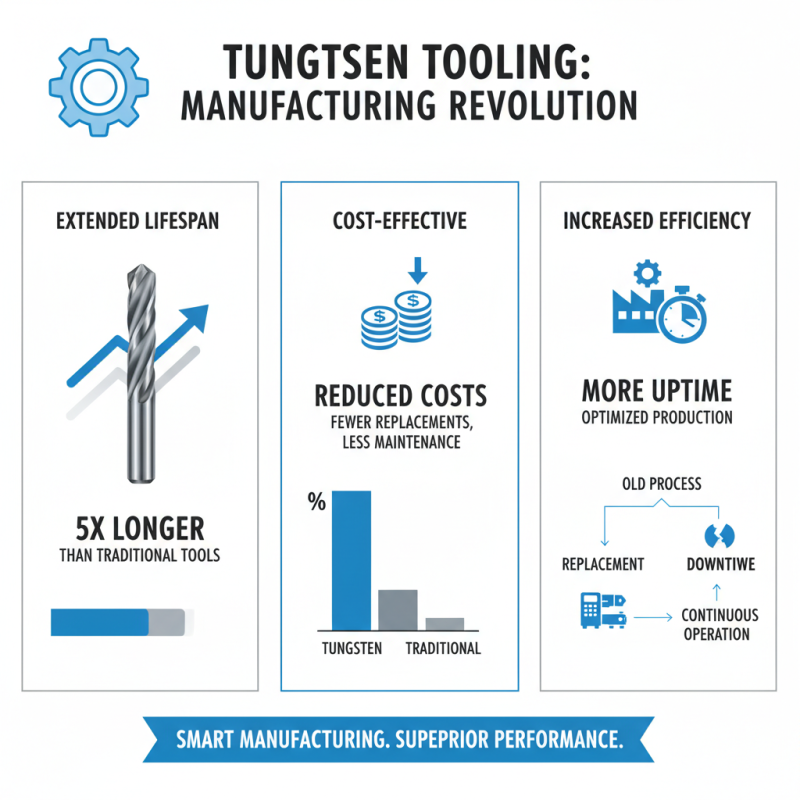
Tungsten tooling has gained traction in manufacturing due to its cost-effectiveness and extended lifespan. Reports indicate that tungsten can last up to five times longer than traditional tools. This longevity translates into fewer replacements, reducing maintenance costs.
Another aspect is the initial investment in tungsten tooling. While it may seem high, studies show a 20-30% decrease in overall operating costs over time. Manufacturers can optimize production cycles, making it an economical choice. Tungsten's resistance to wear and heat enhances efficiency, but it's essential to weigh these benefits against their upfront costs.
Some companies hesitate to switch due to unfamiliarity. There can be a learning curve in adapting to new materials. Yet, the data supports the transition. Industries that have embraced tungsten report higher productivity rates. This shift requires careful consideration but might lead to significant savings and improvement in output quality.