What is Drilling Tungsten and How to Source It?
Drilling tungsten is a complex process that requires precision and specialized knowledge. According to Dr. Emily Carter, a leading expert in materials engineering, “The challenges in drilling tungsten stem from its hardness and high melting point.” This statement highlights the importance of understanding the material's properties before attempting to drill it.
When approaching the task of drilling tungsten, one must consider various factors. The type of drill bit, speed, and coolant used are crucial. Each element can impact the quality of the drilled hole. Missteps can lead to tool wear or even damage to the workpiece. Additionally, sourcing tungsten from reliable suppliers is vital for long-term success in any project. Without quality materials, the drilling process can become inefficient and costly.
Tungsten's unique characteristics demand a strategic approach. Experts often recommend not only focusing on technique but also considering sourcing strategies. By understanding both the drilling process and material acquisition, one can navigate the complexities of drilling tungsten more effectively.
What is Tungsten and Its Key Properties for Drilling Applications?
Tungsten is a dense, metallic element known for its remarkable properties that are beneficial in drilling applications. With a melting point of 3,422°C, tungsten withstands extreme temperatures. This makes it ideal for drill bits that encounter high-stress environments. The hardness of tungsten ranks high on the Mohs scale, which translates into durability. These properties lead to longer-lasting drilling tools, reducing costs in the long run.
When sourcing tungsten for drilling, consider its availability and the purity level. As reported by industry analysts, the global tungsten market is projected to grow at a CAGR of 4.3% from 2021 to 2026. High-purity tungsten is essential for effective application. This ensures it can perform optimally against wear and heat.
Tip: Always check for certification when sourcing tungsten from suppliers. Quality assurance can save time and resources in the production process.
Despite its advantages, drilling with tungsten-tipped tools may require more initial investment. Users often report mixed experiences with wear rates. Testing various grades can provide insights into performance. Balancing cost with quality remains a concern.
Tip: Experiment with different tungsten grades to find the best fit for your specific drilling needs. Continuous assessment can enhance efficiency.
The Drilling Process: Techniques and Equipment for Tungsten Machining
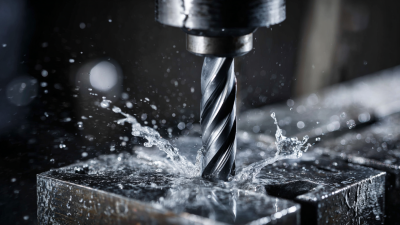
Drilling tungsten requires specialized techniques and equipment due to the metal's hardness. This process can be challenging, but it’s manageable with the right tools. Tungsten is known for its high melting point and density. These characteristics make it difficult to machine, as traditional methods may lead to tool wear or breakage.
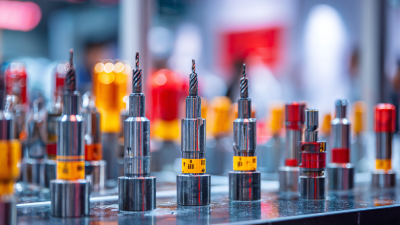
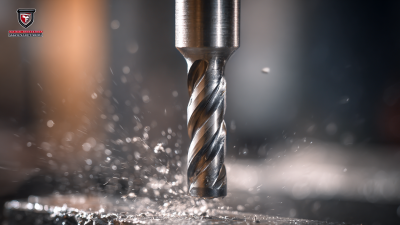
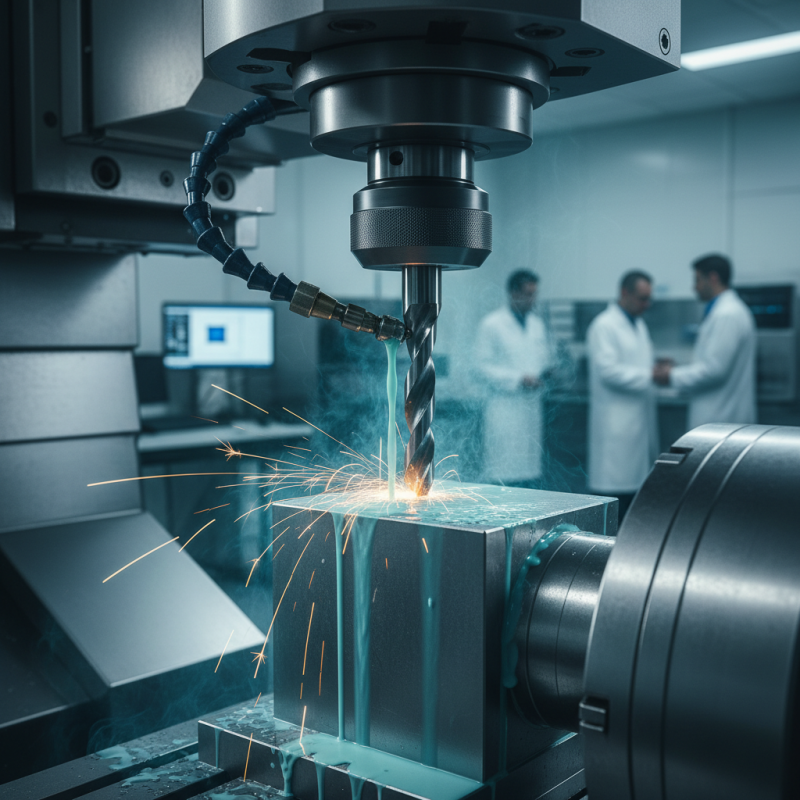
Choosing the right drill bit is essential. Carbide-tipped or cobalt bits are commonly used. They withstand high temperatures and maintain sharpness longer. The drilling speed must also be adapted. Slower speeds with higher torque help reduce heat buildup. Lubrication plays a crucial role, too. Coolants can minimize heat and improve finished quality.
Practicing precision is vital when drilling tungsten. Any misalignment can result in poor quality holes or damaged bits. It's important to test techniques on scrap materials before finalizing the work. These challenges highlight the need for routine evaluation of methods as technologies evolve. Continuous learning and adaptation to new tools can yield better results.
Industry Standards: Tolerances and Specifications for Drilled Tungsten Parts
Drilling tungsten involves intricate processes that require precision and care. Industry standards play a crucial role in ensuring consistency and reliability of drilled tungsten parts. Tolerances are critical; they dictate how much variation is acceptable in a part’s dimensions. Maintaining tight tolerances ensures that each piece fits well within the larger assembly. Specifying these tolerances helps prevent costly rework or faulty products.
Specifications for drilled tungsten include details like surface finish and hole quality. Surface roughness affects wear resistance and fit. Poorly finished surfaces may lead to increased friction and equipment failure. Many manufacturers adhere to standardized specifications, yet achieving them is not always straightforward. The challenges can stem from equipment limitations or material imperfections. Sourcing high-quality tungsten is essential and can influence the final outcome.
It's important to recognize that despite advancements in technology, imperfections can still occur. Companies may face difficulties in meeting specific tolerance levels. Effective communication with suppliers about expectations is vital. A well-defined specification document is essential yet often overlooked. Regular audits of processes can help maintain quality standards. Attention to detail in every stage of production can lead to significant improvements.
Sourcing Tungsten: Global Suppliers and Market Trends in 2023
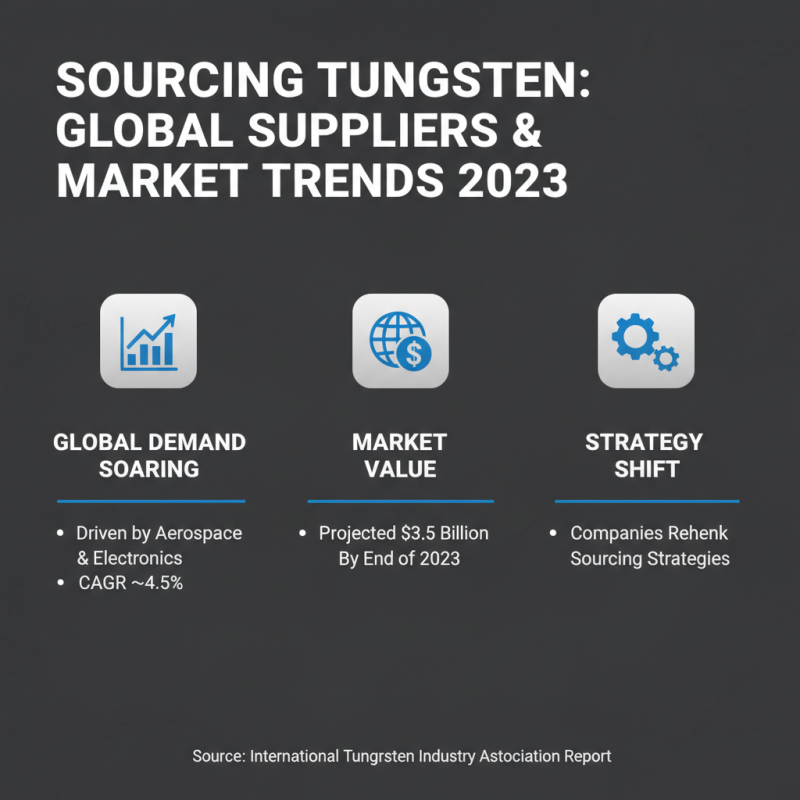
In 2023, the tungsten market reflects significant trends in sourcing and supply dynamics. Global demand for tungsten has soared, driven primarily by its applications in aerospace and electronics. According to a report from the International Tungsten Industry Association, the global tungsten market is expected to reach $3.5 billion by the end of the year, indicating a compound annual growth rate of around 4.5%. This surge calls for companies to rethink their sourcing strategies.
Sourcing tungsten requires a deep understanding of the supply chain. Major producers include China, which accounts for over 80% of the world's tungsten production. The geopolitical climate adds complexity, as companies must navigate trade policies and tariffs. Furthermore, sustainable sourcing is increasingly essential. Recent surveys indicate that over 65% of buyers prioritize ethical sourcing, making it a crucial factor in supplier selection. Firms are encouraged to assess their supply chains for resilience.
Emerging trends suggest a shift towards recycling tungsten from scrap materials. This process not only promotes sustainability but also helps mitigate the risks of supply chain disruptions. Data show that recycled tungsten can meet up to 30% of the market demand. Industries must remain proactive in seeking reliable suppliers and diversifying sources to stay competitive in this evolving landscape.
Cost Analysis: Pricing Factors and Economic Considerations in Tungsten Drilling
When considering tungsten drilling, cost analysis plays a pivotal role. Various factors influence the pricing, such as global market demand, purity levels, and sourcing methods. The weight and density of tungsten contribute to increased transportation costs. Thus, careful consideration of logistics is vital for cost management.
Tip: Always check the purity level of tungsten. Higher purity can increase costs, but it may also boost efficiency during drilling. Seek reliable suppliers to ensure you receive quality material at competitive rates.
Moreover, economic conditions impact pricing. Fluctuations in mining regulations and energy costs can lead to variable prices. Pay attention to these trends as they can affect your budget. Strategic sourcing and bulk purchasing might yield cost savings and better predictability.
Tip: Develop relationships with multiple suppliers. This can provide leverage in negotiations and access to diverse pricing options. Regularly review market conditions to adapt your sourcing strategy effectively.