What are Drones with Folding Tubes and Their Uses?
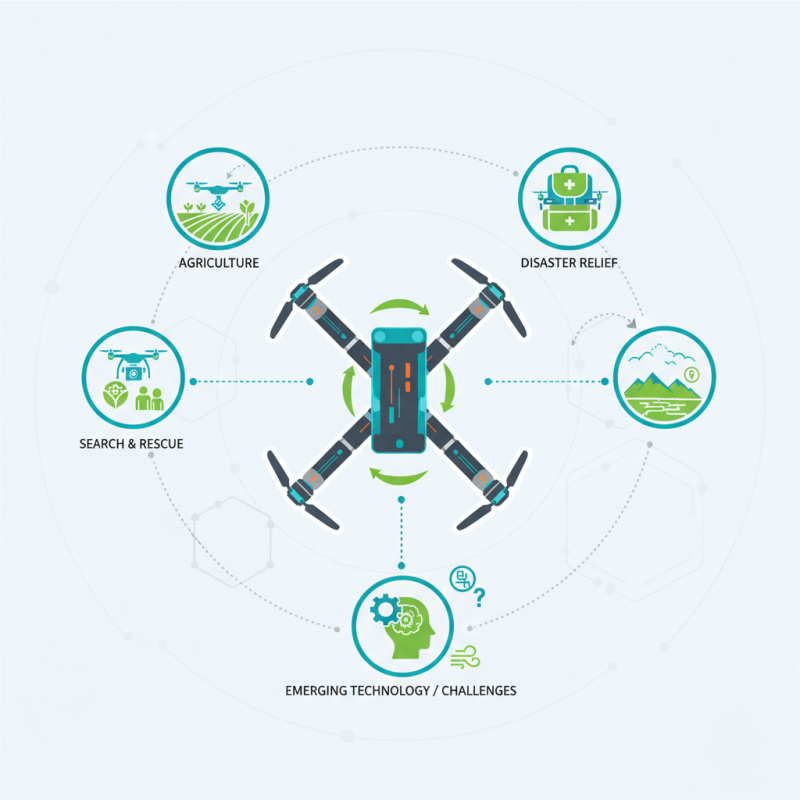
Drones with folding tubes are revolutionizing the aerospace industry. These innovative drones are designed to be compact and portable. They allow for easy transport and deployment in various fields, from agriculture to search and rescue.
John Walker, a leading expert in drone technology, highlights their impact: "drones folding tube offer unprecedented convenience and capability." This versatility makes them appealing for many applications. However, the technology is still emerging. Challenges remain, such as regulations and stability in high winds. Both users and manufacturers must adapt to these growing pains.
Consider the potential of drones folding tube in disaster relief. Imagine a drone quickly folded and packed into a backpack, ready to fly into remote areas. This flexibility could save lives. Yet, are we fully ready to embrace this technology? The conversation is ongoing, and the future remains uncertain.
What are Drones with Folding Tubes?
Drones with folding tubes are a fascinating innovation in aerial technology. These drones feature compact designs that allow them to fit into smaller spaces. The folding mechanism enables easy transportation and storage, making them perfect for urban environments. According to industry data, the global drone market is projected to reach $43 billion by 2024, highlighting a surge in demand for versatile aerial devices.
The primary use of these drones is in various sectors, such as agriculture and surveillance. Their lightweight design ensures agility in tight spaces, improving efficiency in crop monitoring. Research indicates that drones increase productivity in farming by approximately 70%. However, there are downsides. Some users report durability issues with the folding joints. This presents challenges during extensive use in demanding conditions.
Aerial photography has also seen benefits. Drones with folding tubes can capture high-resolution images from unique angles. This feature is appealing to photographers and filmmakers. Yet, there are concerns about the battery life of these compact drones. Users often find that shorter flight times can limit their creative possibilities. Balancing portability with performance is a crucial aspect of their design.
Uses of Drones with Folding Tubes
Design and Structure of Folding Tube Drones
Folding tube drones represent an innovative approach in drone design. Their structure typically features lightweight tubes that can collapse or extend. This allows for easy transportation and quick setup. When not in use, these drones can be compact, making them ideal for adventurers and outdoor enthusiasts. The tubular design also aids in durability, helping the drone withstand challenging conditions.
The design details are fascinating. Each tube often houses a motor or component. This segmentation can lead to improved stability in flight. However, the joints where tubes connect may be prone to wear. Over time, users might notice a decrease in performance. Fine-tuning the connection points could be essential for long-term operation.
Additionally, the versatility of these drones is impressive. They can be used for aerial photography, surveillance, or mapping. Their compactness allows for deployment in tight spaces. Yet, their folding mechanism could be a challenge for new users. Understanding how to properly fold and unfold the drone might take practice. Each aspect of the design encourages creative uses, but it also demands attention to detail.
Applications of Folding Tube Drones in Various Industries
Folding tube drones are revolutionizing various industries. Their compact design makes them easy to transport and deploy. These drones can fit into tight spaces, which is beneficial for urban applications. Construction sites often require aerial inspections. Folding tube drones can quickly assess infrastructures without disturbing ongoing work.
In agriculture, these drones monitor crop health. Farmers can use them to identify issues like water stress or pest infestations. The ability to fold allows farmers to carry them into the field easily. However, using drones in agriculture also raises questions about data privacy. Farmers share a lot of information when they utilize these technologies.
Emergency services benefit from folding tube drones too. They can quickly deliver supplies or aid in search and rescue missions. Their portability means they can be transported to remote locations without hassle. Yet, ensuring they operate reliably in adverse weather remains a challenge. As industries adopt these drones, ongoing improvements and regulations are necessary.
Advantages of Using Folding Tube Drones
Folding tube drones are a fascinating advancement in aviation technology. Their unique design allows them to collapse and expand, making them portable and easy to carry. This feature is particularly useful for outdoor activities like hiking or camping. When not in use, these drones can fit into tight spaces, easily stowed in a backpack.
One significant advantage of folding tube drones is their lightweight structure. This design reduces energy consumption during flights, allowing for longer operational times. Additionally, they can be equipped with high-resolution cameras for aerial photography. Their compactness also means less risk of damage during transport. However, despite their advantages, these drones can be tricky to assemble and disassemble. Users may face challenges initially.
Another benefit is their versatility. Folding tube drones can be utilized in various fields, including agriculture and disaster management. They can cover large areas quickly, gathering important data. But, as with any technology, there might be limitations. Users may need to adapt to specific flight conditions. Overall, they offer many opportunities and challenges for those willing to explore their potential.
What are Drones with Folding Tubes and Their Uses? - Advantages of Using Folding Tube Drones
| Feature | Description | Advantages |
| Folding Design | Drones that can fold their arms or tubes for compact storage. | Easy portability, suitable for travel and outdoor use. |
| Lightweight Construction | Built using lightweight materials to enhance flight efficiency. | Improved flight time and maneuverability. |
| Versatility | Can be equipped with various payloads, such as cameras or sensors. | Applicable in multiple fields like photography, agriculture, and surveillance. |
| User-Friendly Controls | Feature intuitive controls for easy operation. | Accessible to both beginners and experienced operators. |
| Enhanced Stability | Advanced stabilization technology for steady flight. | Better image quality for photography and video recording. |
Future Trends and Innovations in Drone Technology
The future of drone technology is fascinating. One innovation gaining traction is the folding tube design. These drones are compact and lightweight. They can be easily transported, which makes them ideal for various applications. From agriculture to emergency response, their versatility is noteworthy.
As drone technology evolves, we can expect smarter features. Enhanced AI could allow drones to make real-time decisions. Improved battery life will increase their operational range. The folding design also facilitates repairs and upgrades. This ease could lead to more efficient use in critical situations.
Tips: Always check your local regulations regarding drone usage. Keep your drone updated with the latest software for optimal performance. Regularly inspect the folding mechanisms to ensure reliability. Even small issues can lead to bigger problems. It's essential to stay prepared for unexpected challenges.