How to Master Tungsten Carbide Casting Techniques for Optimal Results?
Tungsten Carbide Casting is a specialized technique in manufacturing that offers unique benefits. By mastering this method, industries can achieve high durability and superior performance in their products. Tungsten carbide, known for its hardness, is often used in abrasive environments. Understanding the intricacies of Tungsten Carbide Casting can greatly improve product quality.
However, this process is not without challenges. Achieving optimal results requires precise control over temperature and material composition. Minor deviations can lead to defective products or inefficiencies. Practitioners need to reflect on their techniques continually. Each casting cycle is a learning opportunity, helping to enhance skills and understanding.
Experienced professionals acknowledge the trial-and-error nature of Tungsten Carbide Casting. Building a strong foundation of knowledge can guide newcomers in the industry. It is essential to stay updated with the latest advancements and techniques. This commitment to improvement is critical for success in this competitive field.
Understanding Tungsten Carbide and Its Properties
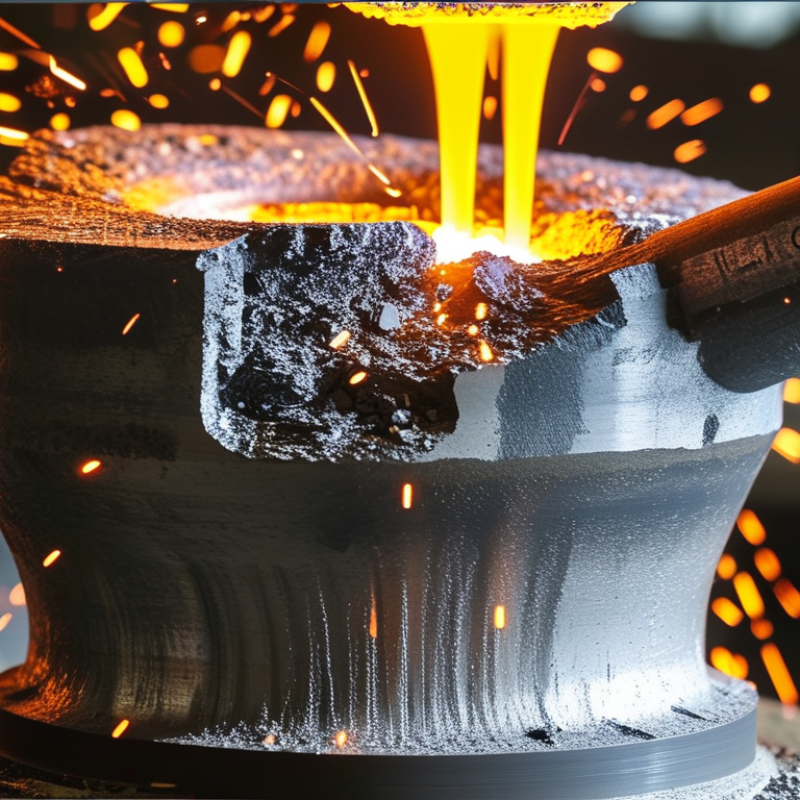
Tungsten carbide is known for its impressive hardness and wear resistance. This material is often used in industrial applications. It consists of tungsten and carbon, forming a compound that can withstand high temperatures and stress. Understanding its properties is essential. Tungsten carbide has a high melting point, making it ideal for casting processes. Proper techniques can help achieve optimal results.
When casting tungsten carbide, attention to detail is crucial. The right temperature and environment can affect the final product's quality. Make sure to maintain a consistent temperature during the casting process. Small fluctuations can lead to defects.
Tip: Always preheat your mold. This ensures better flow and reduces the risk of cracking.
Another important aspect is the mixing of materials. Improper ratios can lead to compromised strength. It’s vital to follow precise guidelines for mixing.
Tip: Invest in accurate measuring tools for better results. Consistent measurements can prevent potential failures in casting.
Understanding the properties of tungsten carbide helps in mastering casting techniques. Constantly seeking feedback on your process can lead to improvements. Experimentation is key, but so is learning from mistakes.
Essential Equipment for Tungsten Carbide Casting
When delving into tungsten carbide casting, having the right equipment is crucial. Essential tools include a high-temperature furnace, suitable molds, and a vacuum system. The furnace requires precise temperature control to maintain the properties of the tungsten carbide. Molds should be made from durable materials to endure the casting process without distorting. A vacuum system helps eliminate gas bubbles, ensuring high-quality results.
Tips: Choose a furnace that can reach temperatures above 2500°C. This is necessary for effective melting. Inspect your molds for any defects; even minor imperfections can ruin a casting. Consider using graphite or ceramic molds for better results.
Having a reliable source of tungsten carbide is vital. It ensures that your material has the desired properties for casting. Always weigh your tungsten carbide carefully before casting. Precision is key in achieving optimal results. Evaluate your process regularly. This cut-and-try approach can uncover hidden issues and improve your technique over time. Experiment with different temperatures and cooling rates to fine-tune your results.
How to Master Tungsten Carbide Casting Techniques for Optimal Results
This chart illustrates the relationship between various essential equipment used in tungsten carbide casting and their corresponding effectiveness ratings based on user feedback.
Step-by-Step Process of Tungsten Carbide Casting
Tungsten carbide casting is a sophisticated process that requires precision and skill. Start by selecting high-quality tungsten powder. It is essential for achieving optimal results. Ensure the powder is fine and uniform for even melting. The melting point of tungsten is high, so an appropriate high-temperature furnace is crucial.
The next step involves carefully measuring your materials. This affects the final properties of your casting. Use accurate scales and make adjustments as needed. Once you are ready, prepare the mold. Use materials that can withstand high temperatures. A poorly designed mold can result in defects.
Tips: Keep your workspace clean to avoid contamination. Contaminants can ruin your casting. Monitor the melting temperature closely. It is easy to overheat tungsten, leading to unwanted changes in properties.
After pouring, allow the tungsten carbide to cool gradually. Rapid cooling can cause cracking. It’s essential to take time during this phase. If your cast doesn’t turn out perfectly, analyze what went wrong. This reflection will help improve your technique for future projects. Every mistake is a learning opportunity in the world of casting.
Common Challenges and Solutions in Tungsten Carbide Casting
Tungsten carbide casting presents unique challenges that can hinder productivity and quality. Understanding these challenges is crucial for achieving optimal results in casting. One common issue arises during the mixing process. Improper blending of the carbide powder can lead to uneven density. This problem can be mitigated by using high-quality mixing equipment and adhering to precise ratios.
Additionally, achieving the desired temperature during the casting process is essential. If the temperature is too low, the material may not flow correctly. Conversely, excessive heat can lead to significant material losses. Industry reports suggest that maintaining temperature within a 5% variance can maximize yield.
Tips: Always monitor the temperature closely. Investing in a reliable thermoregulator can save time and resources in the long run.
Another challenge is the shrinkage that occurs during cooling. This can impact the final dimensions of the product, leading to defects. A controlled cooling process can help minimize these issues. Some experts recommend using sand or thermal baths for smoother cooling transitions.
Tips: Experiment with different cooling environments. Keep a detailed log of results to refine your process over time.
Best Practices for Achieving Optimal Casting Results
Mastering tungsten carbide casting techniques requires a blend of skill, experience, and adherence to best practices. Achieving optimal results depends heavily on precise measurements and careful preparation of materials. Controlling the temperature during the casting process is crucial. Too high, and the carbide may degrade; too low, and inconsistencies can arise.
Tips: Regularly calibrate your furnace. This helps ensure you maintain the ideal temperature range. Use high-quality molds, as they significantly impact the final product. An imperfect mold can lead to defects that affect performance.
Attention to detail during the mixing of tungsten and carbon powders is vital. A consistent ratio ensures even distribution and density. Always be wary of contamination. Even small impurities can alter the material properties, leading to subpar outcomes.
Tips: Keep your workspace clean to avoid contamination. Invest in protective gear and quality tools. These are essential for maintaining safety and precision. Remember, every casting is a learning experience. Reflect on what worked and what didn’t to improve future results.