What is Titanium Tungsten Carbide and its Benefits?
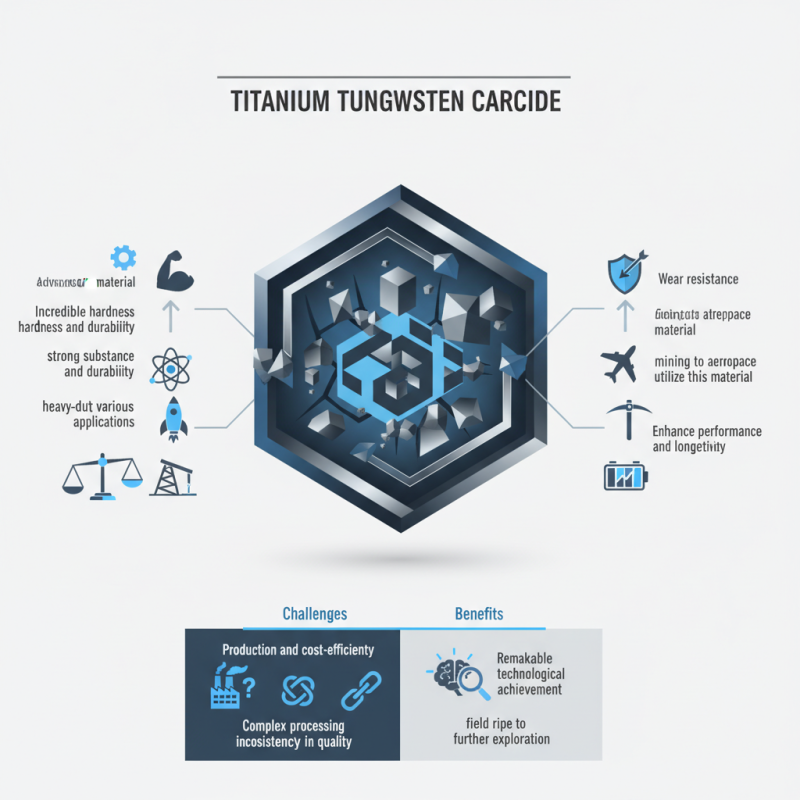
Titanium Tungsten Carbide is an advanced composite material known for its incredible hardness and durability. This unique alloy is a blend of titanium and tungsten carbide, creating a strong substance suitable for various applications. Its impressive strength-to-weight ratio makes it ideal for heavy-duty tasks.
The advantages of Titanium Tungsten Carbide are vast. Its wear resistance far surpasses that of traditional metals. Industries ranging from mining to aerospace utilize this material to enhance performance and longevity. Yet, while these benefits are significant, one must consider the challenges in production and cost-efficiency.
Moreover, the processing of Titanium Tungsten Carbide can be complex. Not every manufacturer has the expertise to work with it. This reality can lead to inconsistency in quality. As companies explore this powerful material, they must balance benefits with potential pitfalls. Ultimately, Titanium Tungsten Carbide represents both a remarkable technological achievement and a field ripe for further exploration.
What is Titanium Tungsten Carbide?
Titanium tungsten carbide is a remarkable composite material known for its strength and durability. This combination of titanium and tungsten carbide creates a substance that is both lightweight and incredibly hard. Engineers often use it in various applications, especially where wear resistance is crucial. Tools made from this material last significantly longer compared to those made from standard metals.
The benefits are apparent in industrial settings. Its high resistance to scratches and corrosion makes it ideal for harsh environments. Yet, this material can be challenging to work with. Machining titanium tungsten carbide requires specialized techniques and equipment, which can increase production costs. Some might find it hard to justify the investment. However, the long-term savings in tool longevity often outweigh the initial challenges.
In jewelry, titanium tungsten carbide offers both style and resilience. Many appreciate its contemporary look and feel. It doesn't scratch easily, which is a considerable advantage for daily wear. But, there’s a caveat. The rigidity of titanium tungsten carbide can make resizing difficult. Consumers should consider this before purchasing. Overall, it’s a material that combines beauty with function, but potential users need to weigh its pros and cons carefully.
The Composition and Structure of Titanium Tungsten Carbide
Titanium tungsten carbide is a remarkable composite material. It combines titanium and tungsten carbide to enhance strength and durability. The structure consists of titanium particles bonded with tungsten carbide. This integration results in a material that can withstand extreme conditions.
One key benefit is its wear resistance. Components made from this composite resist degradation over time. Additionally, the material exhibits high hardness levels. This makes it ideal for industrial applications, such as cutting tools. However, the manufacturing process can be challenging. Precise control is needed to achieve optimal properties.
The design of titanium tungsten carbide can vary. It may be used in various forms, including coatings or composite parts. These variations offer flexibility for different applications. Yet, achieving consistency in quality can be a struggle. Some batches may not meet the desired specifications. Understanding the composition is essential for users who seek reliable performance.
Benefits of Titanium Tungsten Carbide
Key Properties of Titanium Tungsten Carbide
Titanium tungsten carbide is a remarkable material known for its unique properties. It combines the strength of tungsten carbide with the lightweight nature of titanium. This combination results in a product that is both durable and lightweight. It is often used in various applications, including industrial tools and jewelry.
One key property of titanium tungsten carbide is its exceptional hardness. The material can withstand significant wear and tear. This makes it ideal for high-stress environments. Additionally, it possesses excellent corrosion resistance. This means it can maintain its integrity even in harsh conditions. It doesn’t easily show signs of damage, which is reassuring for users.
Another benefit is its aesthetic appeal. When polished, titanium tungsten carbide has a striking, metallic shine. This makes it popular in the fashion industry. However, it is essential to remember that the production process can vary. Some methods may lead to inconsistencies in quality. Users should be aware and consider this when purchasing. Overall, titanium tungsten carbide exhibits many advantages, but it requires thoughtful considerations in its application.
What is Titanium Tungsten Carbide and its Benefits? - Key Properties of Titanium Tungsten Carbide
| Property |
Value |
Benefits |
| Composition |
Titanium (Ti) with Tungsten Carbide (WC) |
Combines light weight of titanium with the hardness of tungsten carbide |
| Hardness |
Approximately 8.5 - 9 on Mohs scale |
Highly resistant to scratches and wear |
| Density |
14.7 g/cm³ |
Dense yet lightweight, ideal for various applications |
| Tensile Strength |
Above 2000 MPa |
Excellent mechanical strength for demanding applications |
| Corrosion Resistance |
Good resistance to chemicals and corrosion |
Longer lifespan in harsh environments |
| Applications |
Cutting tools, industrial machinery, jewelry |
Versatile use across multiple industries |
Applications of Titanium Tungsten Carbide in Industry
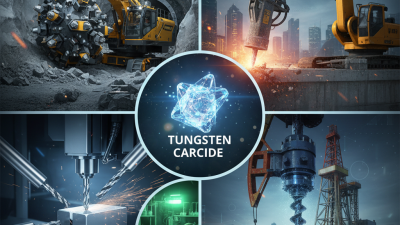
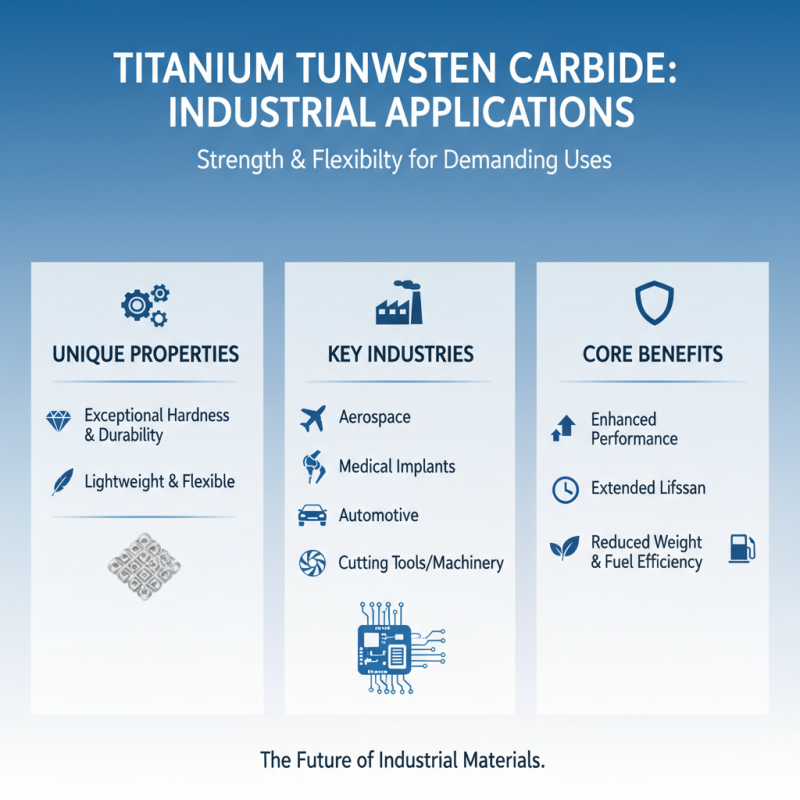
Titanium tungsten carbide is gaining traction in various industries. Its unique properties make it ideal for demanding applications. The material combines the strength of tungsten carbide with the lightweight nature of titanium. This fusion results in durable yet flexible components.
In the manufacturing sector, titanium tungsten carbide is often used for cutting tools. These tools resist wear and tear better than traditional materials. Furthermore, in the aerospace industry, parts made from this alloy are lighter than those made of pure tungsten carbide. This weight reduction leads to enhanced fuel efficiency and performance. However, precise machining and processing techniques are essential. Any miscalculation can compromise the material's integrity.
Another interesting application is in the production of industrial machinery. Bearings and valve seats made from titanium tungsten carbide show increased longevity. They withstand extreme pressures and temperatures. Yet, producing these components can be challenging. It requires advanced methods to ensure quality. The delicate balance between cost and performance remains an ongoing discussion among engineers. Despite its advantages, the long-term impact on manufacturing practices requires careful evaluation.
Benefits of Using Titanium Tungsten Carbide Over Other Materials
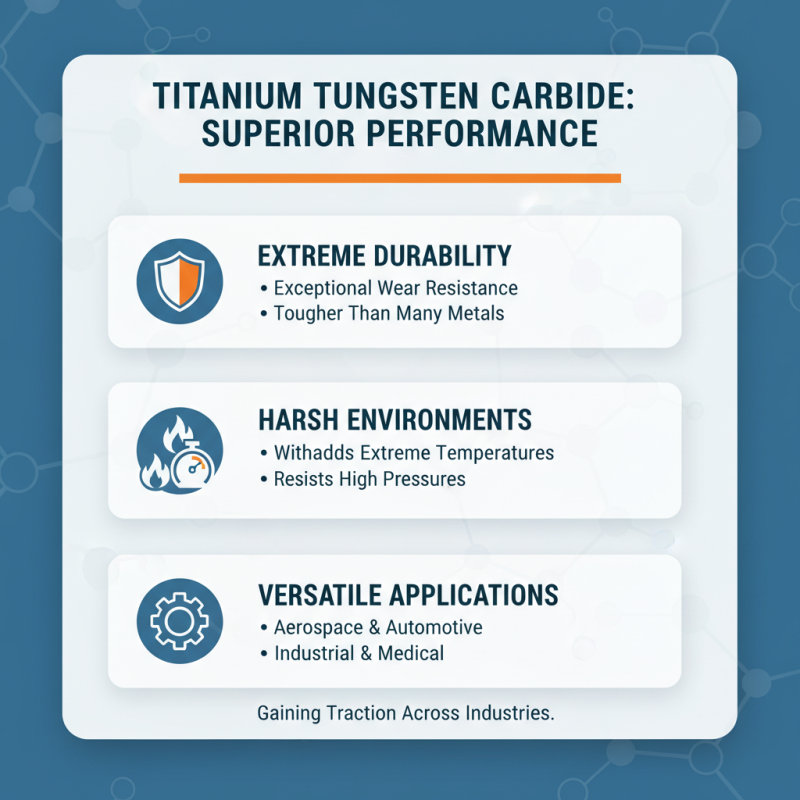
Titanium tungsten carbide is gaining traction in various industries due to its unique properties. Compared to traditional materials, it offers exceptional durability and resistance to wear. This blend of titanium and tungsten carbide creates a composite that is tougher than many metals. For instance, it can withstand extreme temperatures and pressures, making it ideal for harsh environments.
One significant benefit is its lightweight nature. Titanium tungsten carbide maintains strength without being heavy. This feature allows for more efficient designs, particularly in aerospace and automotive applications. In fact, studies show that this material can reduce overall weight by up to 30%, improving fuel efficiency.
Tips: When considering materials for your next project, think about the long-term savings. Investing in titanium tungsten carbide may cost more upfront but can lead to lower maintenance costs. Also, assess its compatibility with your existing processes. Not all designs will benefit equally from this material.
Another advantage is corrosion resistance. Titanium tungsten carbide resists chemical damage better than many alternatives. It doesn’t rust, which means lower risk of failure over time. However, it’s important to also evaluate its performance under specific conditions. Some environments may not favor this material as it could be more brittle than expected.