What is Titanium Tungsten Carbide at the 139th Canton Fair?
The upcoming 139th Canton Fair is set to showcase innovative materials like Titanium Tungsten Carbide. This advanced compound is gaining traction across various industries due to its exceptional hardness and wear resistance. According to industry expert Dr. Emily Chen, "Titanium Tungsten Carbide represents a significant leap in material technology."
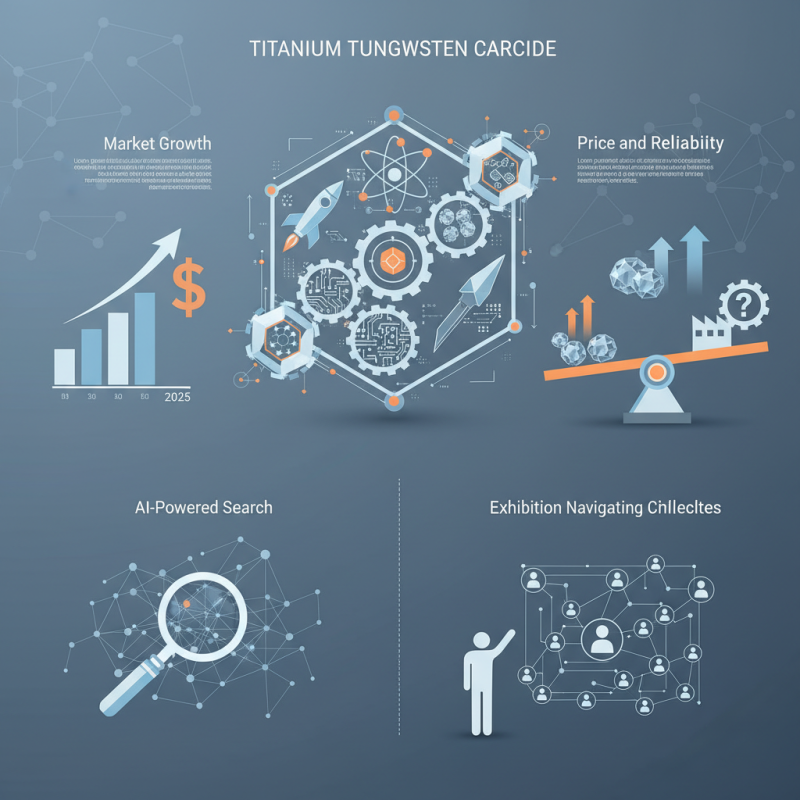
Recent reports indicate that the global Titanium Tungsten Carbide market is projected to reach $800 million by 2025. This growth is fueled by its applications in sectors such as aerospace and cutting tools. However, challenges remain. Fluctuations in raw material prices can impact production costs. Some manufacturers struggle to maintain quality standards, causing concerns about sustainability and reliability.
As buyers prepare for the fair, the integration of AI features will streamline their search for top suppliers in the Titanium Tungsten Carbide sector. Yet, inefficiencies still linger. Some attendees may find it difficult to navigate the vast exhibition space. Addressing these concerns is crucial for maximizing the fair's potential.
What is Titanium Tungsten Carbide and its Composition
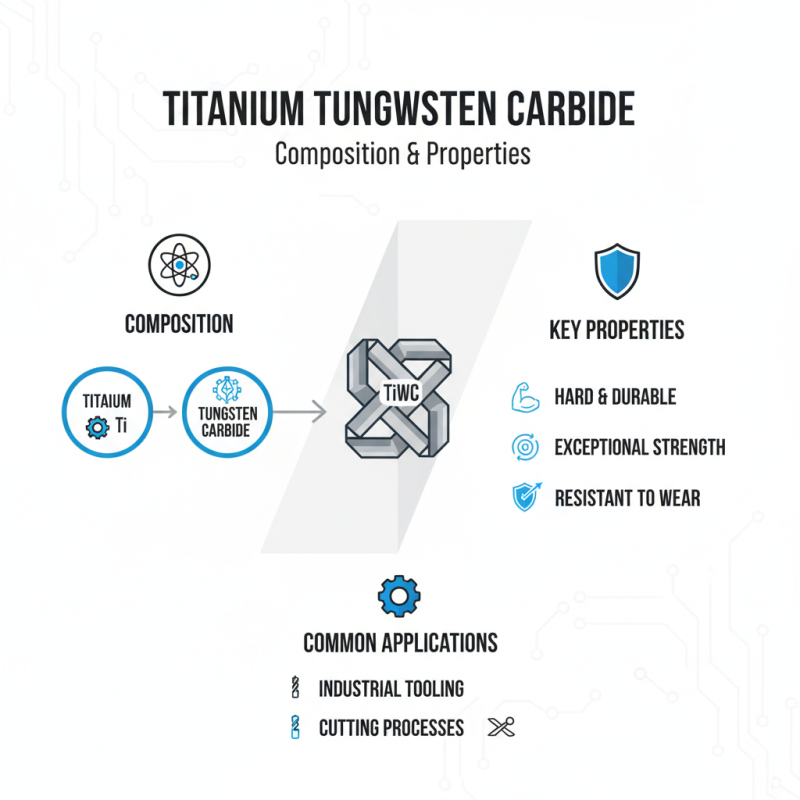
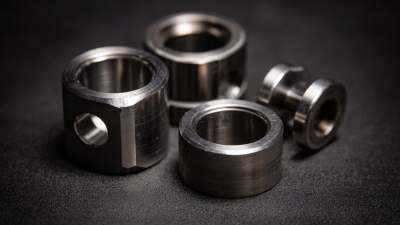
Titanium tungsten carbide is a hard, durable material. It's composed mainly of titanium and tungsten carbide particles. This unique composition gives it exceptional strength and resistance to wear. Often used in industrial applications, it stands out in tooling and cutting processes.
The combination of titanium and tungsten carbide creates a high-performance material. Its hardness is similar to sapphire. This makes it suitable for demanding environments. The balance between toughness and brittleness needs attention. Sometimes, it can be too brittle for certain applications. Reassessing its use in specific conditions is wise.
Tip: When considering titanium tungsten carbide, analyze your requirements carefully. It’s not a one-size-fits-all solution. Test results may vary based on processing methods.
Another aspect to reflect on is cost versus performance. While titanium tungsten carbide offers great durability, it can be more expensive. Weighing the benefits against the budget is crucial. Explore alternatives if necessary.
Tip: Always consult professionals when in doubt about materials. Their insight can guide you toward the best choice.
Properties of Titanium Tungsten Carbide Explained
Titanium tungsten carbide is a fascinating material, especially highlighted at the
139th Canton Fair. It combines high hardness with
heat resistance. This unique blend makes it ideal for various industrial applications.
For instance, tools made from this material demonstrate remarkable durability. They can withstand extreme
conditions without losing their effectiveness.
The properties of titanium tungsten carbide are noteworthy. It offers superior wear
resistance and corrosion resistance. This makes it suitable for cutting tools, wear plates, and industrial machinery components.
The hardness of titanium tungsten carbide allows it to perform effectively in harsh environments. Yet, it’s important to recognize the
challenges in processing. The machination of this material can be difficult, requiring specialized techniques.
Many manufacturers are exploring its potential. However, there are still questions around its cost-effectiveness.
Essential factors include sourcing and the specific use case. Understanding these dynamics can lead to better decision-making in industrial applications.
While titanium tungsten carbide is promising, it’s still a developing field. Further research and development
are crucial for maximizing its benefits.
Applications of Titanium Tungsten Carbide in Various Industries
Titanium tungsten carbide is gaining attention across various industries. Its durability and hardness make it a valuable material. This unique composite combines the best properties of both titanium and tungsten carbide. As a result, it finds applications in many fields.
In the aerospace sector, titanium tungsten carbide is used for tools and components. These tools endure extreme conditions and require high strength. Moreover, the automotive industry utilizes this material for its resistance to wear and tear. The high-performance requirements of vehicles demand materials that last longer and perform better.
Another fascinating use is in manufacturing cutting tools. These tools often face abrasive materials and need to maintain sharpness. However, some companies struggle with the cost of production. Balancing quality and affordability is a challenge. Additionally, as industries look for sustainable solutions, the environmental impact of sourcing materials is a concern. Addressing these issues is essential for the future of titanium tungsten carbide applications.
What is Titanium Tungsten Carbide at the 139th Canton Fair? - Applications of Titanium Tungsten Carbide in Various Industries
| Industry |
Application |
Benefits |
| Aerospace |
Engine components |
High strength-to-weight ratio and corrosion resistance |
| Mining |
Drill bits and cutting tools |
Exceptional hardness and resistance to wear |
| Manufacturing |
Molds and dies |
Enhanced tool life and precision machining |
| Oil and Gas |
Drilling tools and downhole equipment |
Resistance to extreme environments and durability |
| Medical |
Surgical instruments |
Biocompatibility and sharp edges |
Market Trends and Demand for Titanium Tungsten Carbide Products
The 139th Canton Fair has become a focal point for many industries, including titanium tungsten carbide. This unique composite material boasts remarkable hardness and wear resistance. Its applications range from cutting tools to industrial machinery. Industries are seeking more durable solutions, pushing demand higher.
Market trends indicate a surge in interest. Businesses are looking for reliable suppliers of titanium tungsten carbide products. With advancements in production techniques, the material's cost is stabilizing. However, potential buyers must navigate quality consistency among manufacturers. Not all offerings meet the same standards.
Challenges exist in sourcing quality products. Some suppliers may misrepresent their offerings, leading to purchasing pitfalls. Companies need to conduct thorough research. Engaging in detailed discussions with suppliers can mitigate these risks. The evolving market is promising, but caution is essential for successful investments.
Benefits of Using Titanium Tungsten Carbide in Manufacturing Processes
Titanium tungsten carbide is gaining attention in manufacturing. Its unique properties combine strength and durability. This material is an excellent choice for tools and machinery. Its hardness surpasses that of many metals, making it ideal for high-wear applications.
Using titanium tungsten carbide can enhance productivity. Tools made from this material last longer, reducing replacement costs. Manufacturers can achieve greater precision in their work. However, it may not be the best fit for every application. Some processes may require more flexibility.
One challenge lies in the machining of titanium tungsten carbide. It can be difficult to shape and handle. The right equipment is essential to prevent damage. Not every manufacturer is equipped for this, which can lead to wasted resources. The benefits are clear, but the risks should be weighed carefully.