What is Tungsten Carbide Casting and Its Applications in Industry?
Tungsten Carbide Casting is a vital process in various industrial applications. It involves creating parts from a mixture of tungsten and carbon. This method produces materials that are exceptionally hard and durable, making them ideal for demanding environments.
According to recent industry reports, the global tungsten carbide market was valued at approximately $14 billion in 2020. This market is expected to grow significantly. The rise in drilling, mining, and manufacturing activities fuels this demand. Moreover, tungsten carbide parts can withstand high temperatures and resist wear, offering unparalleled performance.
Despite these advantages, manufacturers face challenges with Tungsten Carbide Casting. High production costs and the complexity of the casting process require careful consideration. Effective strategies are necessary to enhance efficiency and reduce waste. Overall, understanding the implications and applications of Tungsten Carbide Casting remains crucial for industries aimed at improving operational capabilities.
What is Tungsten Carbide Casting?
Tungsten Carbide casting is a crucial process in manufacturing durable components. This substance is a composite of tungsten and carbon, giving it exceptional hardness. With a hardness rating of 9 on the Mohs scale, Tungsten Carbide is second only to diamond. The casting process often involves melting and shaping it into desired forms. This technique enhances precision and reduces waste, making it highly efficient.
Industries utilize Tungsten Carbide cast components extensively. For example, the mining sector benefits greatly from its use due to high wear resistance. According to market research, the global demand for Tungsten Carbide products is projected to reach $30 billion by 2026. Additionally, applications in cutting tools and industrial machinery highlight its versatility. These products improve efficiency, lower downtime, and reduce costs.
Despite its advantages, some challenges persist. Manufacturing consistency can vary, leading to quality differences. Sourcing raw materials also poses difficulties, especially given market fluctuations. Moreover, the casting process itself requires strict controls to ensure the integrity of the final product. Continuous improvements in techniques and technologies can address these issues, driving the industry forward.
The Composition and Properties of Tungsten Carbide
Tungsten carbide is a unique compound, made from tungsten and carbon. Its molecular structure gives it exceptional hardness. This material is often used in the manufacturing of cutting tools and wear-resistant parts. The hardness is a defining property, allowing it to withstand extreme stresses. However, the very properties that make it valuable also pose challenges in processing.
The production of tungsten carbide involves high-temperature sintering. This process can lead to variations in density, which affects final toughness. Sometimes, flaws may occur during casting, resulting in unexpected brittleness. These challenges require skilled craftsmanship and careful quality control. Despite its robustness, there’s always room for improvement in manufacturing methods.
The potential applications are vast. Tungsten carbide can be found in drilling equipment, mining tools, and even in the medical field for surgical instruments. Industry professionals must continuously reassess the performance of tungsten carbide components. Innovations in technology could further enhance its properties, making it even more versatile in the future. Exploration of its limits is essential for advancing applications across various sectors.
The Tungsten Carbide Casting Process Explained
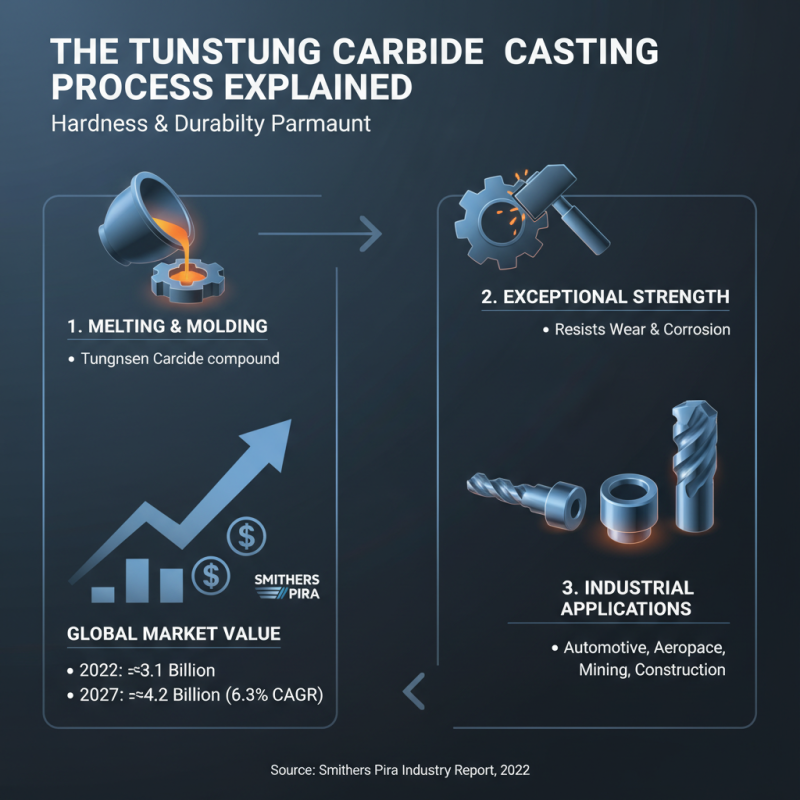
Tungsten carbide casting is a crucial process in various industries, particularly where hardness and durability are paramount. The process involves the melting and molding of tungsten carbide, a compound known for its exceptional strength. This allows manufacturers to create parts that withstand extreme wear and corrosion. According to industry reports from Smithers Pira, the global tungsten carbide market was valued at approximately $3.1 billion in 2022 and is expected to grow at a CAGR of 6.3% by 2027.
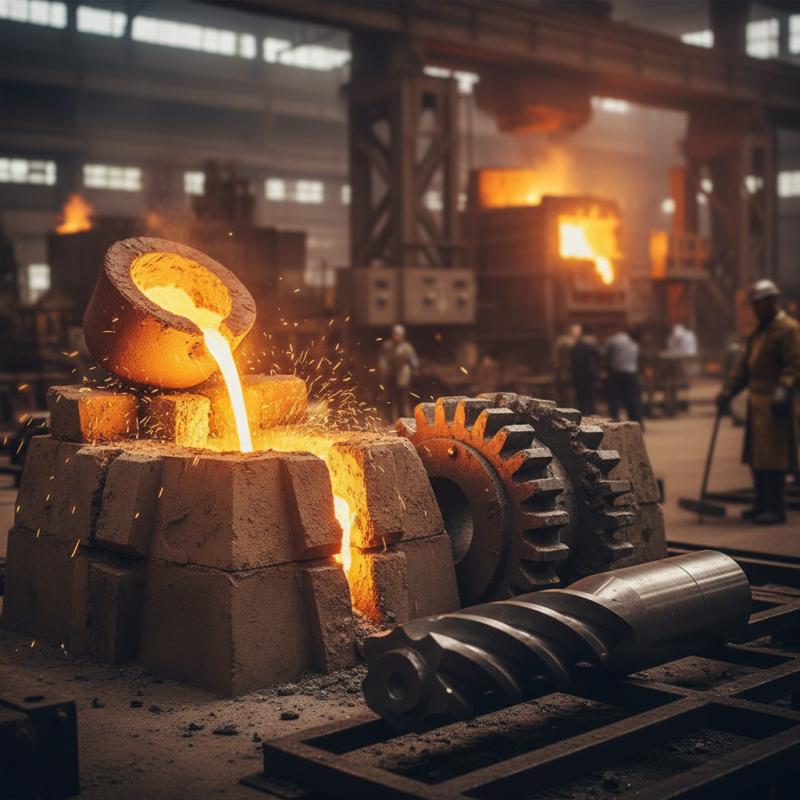
The casting process begins with the preparation of a tungsten carbide powder mixture, which is then heated to create a molten state. This molten tungsten carbide is poured into molds and cooled to achieve a solid structure. Proper temperature control is crucial during this phase to avoid defects like porosity or cracks. Notably, some studies indicate that improper cooling rates can lead to significant performance losses in final products.
Tips: For better results, ensure that the mix of tungsten carbide is homogeneous. Even slight variations can impact the integrity of the final product. Additionally, keep an eye on the environmental conditions during the casting process, as humidity and temperature can influence the outcome. Regularly reviewing and refining your casting techniques can also prevent recurring issues.
Applications of Tungsten Carbide in Various Industries
Tungsten carbide (WC) is a highly durable material known for its impressive hardness and wear resistance. This makes it suitable for various applications across multiple industries. In mining, it is used to produce drill bits and other equipment that withstand harsh conditions. According to a report by Research and Markets, the global tungsten carbide market is projected to reach $19.3 billion by 2027, indicating a growing reliance on its properties in industrial applications.
In the manufacturing sector, tungsten carbide tools are widely employed. Cutting tools made from tungsten carbide demonstrate a longer tool life compared to high-speed steel counterparts. Industry data shows that these tools can last up to five times longer. This longevity can reduce operational costs significantly but requires an upfront investment that some businesses may hesitate to make. Additionally, the performance of tungsten carbide in high-temperature environments makes it valuable in aerospace applications, where engine components demand resilience and heat resistance.
Despite its benefits, the production process of tungsten carbide can raise environmental concerns. The mining and processing of tungsten involve significant energy consumption and potential pollution. Companies must consider sustainable practices to mitigate these impacts. Balancing performance, cost, and environmental responsibility will be crucial for industries utilizing tungsten carbide in the future.
Applications of Tungsten Carbide in Various Industries
Advantages of Using Tungsten Carbide Castings Over Other Materials
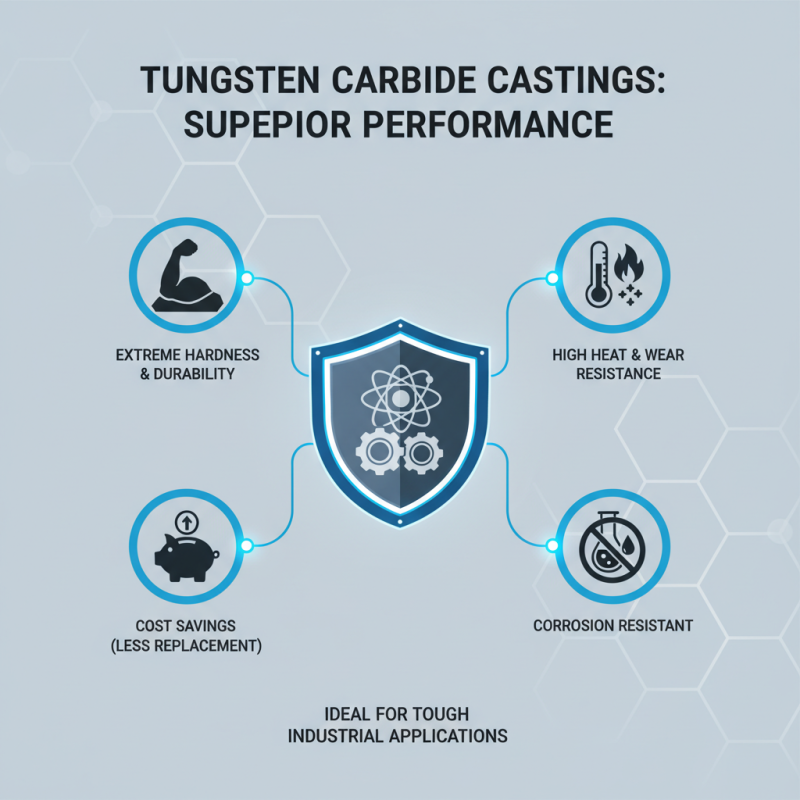
Tungsten carbide casting holds distinct advantages in various industrial applications. Its high hardness and durability make it suitable for tough environments. Unlike traditional materials, tungsten carbide can withstand extreme wear and high temperatures. This resistance reduces the frequency of replacements, saving costs in the long run. The material is also resistant to corrosion, which is crucial in chemical processing industries.
In addition to its strength, tungsten carbide castings offer precision. The ability to create intricate shapes helps in the performance of components like cutting tools and wear parts. However, the casting process may have limitations, such as the complexity of the design or size constraints. Industries need to evaluate their specific requirements before opting for tungsten carbide. Overall, its advantages in toughness and precision present significant benefits. Still, careful consideration of each application is essential to maximize efficiency and effectiveness.