What are Tungsten Carbide Inserts Benefits and Uses?
Tungsten Carbide Inserts are pivotal in modern machining and manufacturing. As John Smith, a leading expert in materials science, notes, "Tungsten Carbide Inserts significantly enhance tool longevity and efficiency." These inserts exhibit remarkable hardness and resistance to wear, making them ideal for challenging applications.
Many industries, including aerospace and automotive, rely on Tungsten Carbide Inserts for precision work. Their effectiveness lies in their ability to withstand high temperatures and pressure. However, not all manufacturers fully utilize their benefits. Some still opt for less durable materials, leading to increased costs and downtime.
Despite their advantages, it's crucial to choose the right grade of Tungsten Carbide Inserts for specific tasks. Incorrect selection can result in poor performance and increased tool wear. Companies must carefully analyze their needs to maximize the benefits of these powerful tools.
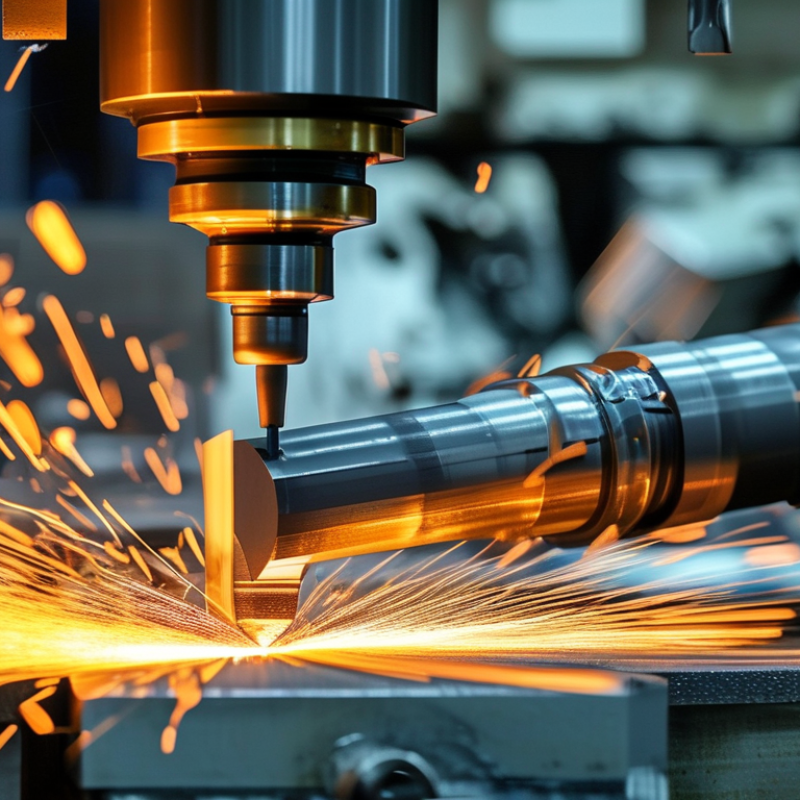
Benefits of Tungsten Carbide Inserts in Metalworking
Tungsten carbide inserts are crucial in metalworking due to their range of benefits.
These inserts are incredibly durable and can withstand high temperatures, which enhances
their performance in machining processes. According to recent industry reports, tungsten
carbide inserts last up to five times longer than conventional tool materials. This
longevity translates to cost savings and reduced downtime, making them a top choice among
manufacturers.
The hardness of tungsten carbide allows for precise cutting and shaping of materials.
These inserts can cut through tougher materials, such as stainless steel and titanium,
with ease. Moreover, their resistance to wear and deformation contributes to consistent
quality in metal parts production. A study by a leading manufacturing association indicated
that companies using tungsten carbide inserts improved their machining efficiency by 35%.
When choosing inserts, consider the grade and coating options available. Different
applications may require harder or more wear-resistant grades. Also, re-evaluating your
insert selection periodically can lead to significant performance gains. Always analyze
the specific requirements of your projects, ensuring you make informed choices based on
empirical data and industry best practices.
Applications of Tungsten Carbide Inserts in Different Industries
Tungsten carbide inserts have diverse applications across various industries. In manufacturing, these inserts are essential for machining and drilling processes. They enhance cutting efficiency and extend tool life significantly. This material withstands high temperatures and resists wear, making it ideal for heavy-duty tasks.
In the oil and gas sector, tungsten carbide inserts are used in drilling equipment. They help in penetrating hard rock formations efficiently. The durability of these inserts minimizes the need for frequent replacements, saving time and costs. In mining, they are utilized in tools that require high toughness and impact resistance.
Tip: Regularly check the condition of your tungsten carbide inserts. Signs of wear can lead to suboptimal performance. Additionally, consider the specific application needs when selecting inserts to avoid unnecessary replacements.
In the construction industry, these inserts improve the performance of concrete and asphalt tools. Their strength ensures that construction projects run smoothly and efficiently. However, it’s essential to match the insert type with the material being worked on. Careful selection can prevent equipment failures and downtime.
Tip: Research the right insert geometry for your tasks. Using the wrong type can lead to underperformance and increased wear. Invest time in understanding the properties needed for your specific job requirements.
Comparison of Tungsten Carbide Inserts with Other Tool Materials
Tungsten carbide inserts stand out for their superior durability and wear resistance compared to traditional tool materials. They typically boast a hardness rating of around 88 on the Rockwell scale, which is significantly higher than high-speed steel and cobalt tools. This toughness allows tungsten carbide inserts to endure high temperatures and pressures during machining processes, cutting tool wear dramatically and ensuring precision in manufacturing.
When considering performance metrics, studies reveal that tungsten carbide inserts can enhance machining efficiency by up to 30% compared to their HSS counterparts. The rigidity of tungsten carbide provides improved stability, resulting in less vibration and greater accuracy. This is critical in high-speed applications where precision is paramount. However, the cost of tungsten carbide is considerably higher, which can lead to reconsiderations in budget constraints.
While they offer numerous advantages, it is essential to evaluate the trade-offs. Tungsten carbide inserts may be too brittle for some applications, leading to cracking under heavy loads. Additionally, their performance could be compromised if not used in the correct environment. This highlights the importance of selecting the right tooling material for specific machining tasks, balancing cost efficiency and operational demands.
Tungsten Carbide Inserts Benefits and Uses
This chart compares the effectiveness of Tungsten Carbide Inserts against other tool materials across several key dimensions, including tool life, wear resistance, cutting speed, cost, and versatility. As seen, Tungsten Carbide Inserts generally outperform other materials in several areas, making them a preferred choice in various industrial applications.
Factors Influencing the Performance of Tungsten Carbide Inserts
Tungsten carbide inserts are known for their durability and effectiveness. However, their performance can be influenced by several factors. One major influence is the material type being machined. Different materials require different cutting techniques. For instance, softer materials may not demand the same hardness as harder, tougher materials. This can affect insert wear rate and longevity.
Another critical factor is the cutting speed and feed rate. High speeds can lead to increased heat, which might dull the insert faster. Meanwhile, excessively low feed rates can cause uneven wear and affect productivity. Operators need to balance these elements to optimize their tools. Additionally, the insert geometry plays a vital role. Different shapes provide various cutting angles, impacting how easily a tool slices through material.
Environmental factors must also be considered. Coolant usage, for instance, can reduce the heat generated during machining. It helps to prolong the life of the tungsten carbide inserts. Yet, if not used properly, it may lead to other complications like corrosion on the tool. Understanding these variables is crucial for maximizing the benefits of tungsten carbide inserts. Experience and continuous adjustment can lead to better performance.
Maintenance and Care for Tungsten Carbide Inserts to Enhance Longevity
Tungsten carbide inserts are essential tools in various industries for their durability and cutting efficiency. Proper maintenance can significantly extend their lifespan. Regular cleaning after each use is crucial. This prevents buildup that can affect performance. A soft brush or cloth can be used to remove debris without damaging the surface.
Inspecting the inserts frequently helps identify wear or damage early. Look for signs of chipping or excessive wear. If any issues arise, replacing the insert promptly can save additional costs in the long run. Proper storage is also vital; keep inserts in a dry, secure place to avoid accidental damage.
Avoid pushing the inserts beyond their limits. Underestimating the proper cutting speeds can lead to premature wear. Ensure that you match the insert type with the material being worked on. This simple step can improve performance and reduce wear. Cleaning, inspecting, and proper handling might seem basic, yet they are often overlooked. Focusing on these areas can greatly enhance the longevity of your tungsten carbide inserts.