Top 10 Uses of Silver Tungsten Alloy in Modern Industry?
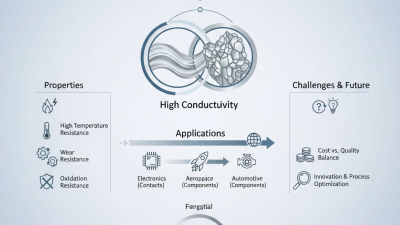
Silver Tungsten Alloy is an exceptional material widely utilized in modern industry. Its unique properties, such as high melting point and excellent electrical conductivity, make it invaluable in various applications. This alloy combines the strength of tungsten with the electrical properties of silver, allowing for improved performance in demanding environments.
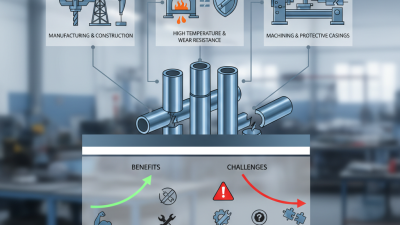
Industries ranging from aerospace to electronics benefit from Silver Tungsten Alloy. Its high wear resistance and thermal stability ensure reliability in critical components. For instance, this alloy is often used in contacts and electrodes, where performance is crucial. Furthermore, the versatility of Silver Tungsten Alloy leads to continual exploration of its uses across sectors.
Despite its remarkable benefits, the production and machining of Silver Tungsten Alloy present challenges. The cost of raw materials can be high, and working with the alloy requires specialized techniques. These aspects should be carefully considered by manufacturers. Understanding these complexities can help industries optimize the use of Silver Tungsten Alloy in innovative and effective ways.
Key Properties of Silver Tungsten Alloy That Enhance Industrial Applications
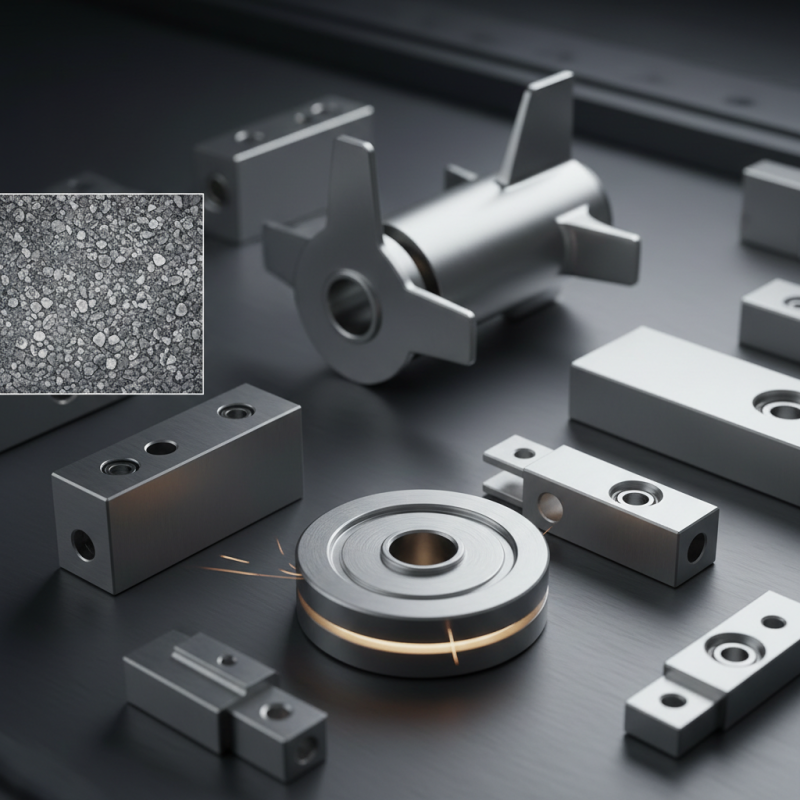
Silver tungsten alloy is a remarkable material that finds extensive use in various industrial applications. Its unique properties include excellent electrical conductivity and high melting point. This combination makes it ideal for use in electrical contacts and components. In environments where durability is essential, silver tungsten's resistance to arc erosion is invaluable. This property provides longevity, reducing the need for frequent replacements.
Additionally, silver tungsten exhibits impressive hardness, which enhances its performance in demanding applications. Industries such as aerospace and automotive benefit from these characteristics. The ability to maintain structural integrity under stress is crucial. However, achieving the perfect alloy composition requires expert knowledge and testing. Even slight deviations can affect performance, necessitating continual refinement in manufacturing processes. This aspect highlights the need for precision and expertise in the production of silver tungsten components.
Top 10 Uses of Silver Tungsten Alloy in Modern Industry
Applications of Silver Tungsten Alloy in Electrical Contacts and Switches
Silver tungsten alloy plays a critical role in electrical contacts and switches. This material is known for its excellent electrical conductivity and resistance to wear. The blend of silver and tungsten enhances the thermal and mechanical properties, making it ideal for high-performance applications. In industries where durability and reliability are essential, silver tungsten alloy stands out.
Electrical contacts often bear significant loading conditions. They can face arcing during operation. Silver tungsten's high melting point and resistance to oxidation help reduce wear from these harsh conditions. The alloy remains stable even at extreme temperatures, ensuring consistent performance. Applications in relays and circuit breakers benefit from these traits.
Switches using silver tungsten alloy can operate smoothly over millions of cycles. However, they may still experience degradation over time. This necessitates regular maintenance and monitoring. Understanding the alloy's limitations can provide insights for future improvements. Investing in research on these materials is important for advancing technology in electrical systems.
Utilization of Silver Tungsten Alloy in Aerospace Components and Equipment
Silver tungsten alloy plays a crucial role in aerospace applications. Its unique properties make it ideal for high-performance components. This alloy exhibits exceptional wear resistance and thermal stability under extreme conditions. Research indicates that silver tungsten can withstand temperatures exceeding 600°C while maintaining structural integrity. This is vital for aerospace environments where reliability is paramount.
In various aerospace components, such as contacts and switches, silver tungsten reduces electrical erosion. This aspect is supported by reports from industry experts, highlighting a reduction in wear by up to 50% compared to traditional materials. The alloy’s high electrical conductivity enhances performance in propulsion systems. Furthermore, it is not just the performance metrics that matter; the weight reduction in materials also contributes positively to aircraft efficiency.
Consideration should be given to the cost implications of using silver tungsten alloy. It is generally more expensive than alternative materials. However, the overall durability and low maintenance requirements often justify the investment. Engineers must balance these factors when designing new systems. Continuous advancements in metallurgy may lead to even more efficient options in the future. The ongoing research in this area is promising yet poses challenges for further standardization in the industry.
Silver Tungsten Alloy in High-Temperature and Vacuum Environments
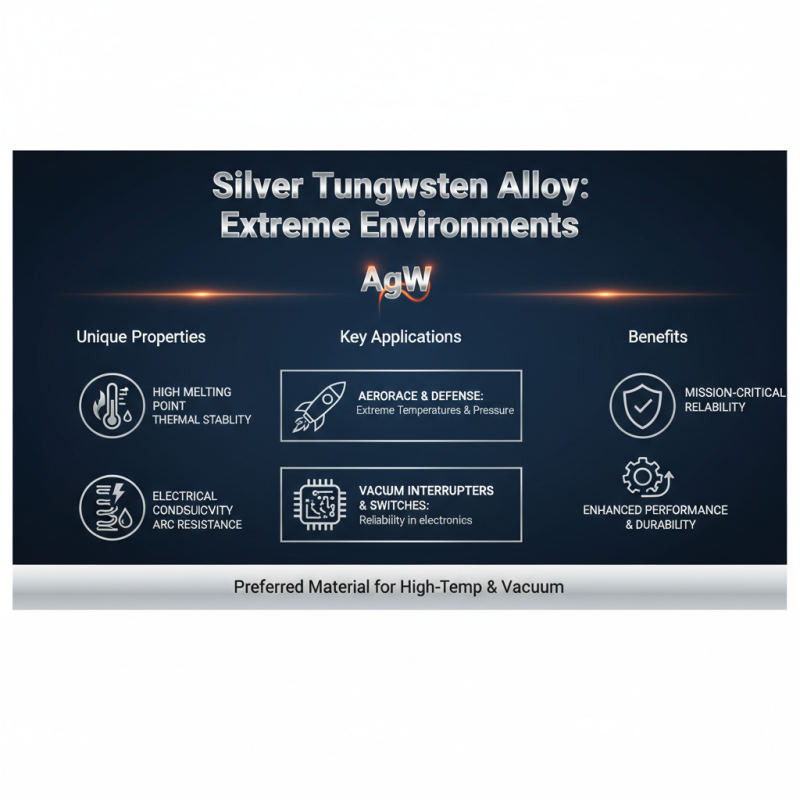
Silver tungsten alloy has emerged as a preferred material in high-temperature and vacuum environments. Its unique properties like high melting point and exceptional thermal stability make it pivotal in various applications. In aerospace and defense sectors, components utilizing this alloy withstand extreme temperatures and pressure, ensuring reliability in mission-critical operations.
A recent industry report highlighted that silver tungsten retains strength up to 1500°C. This is significantly higher than many alternatives. Its resistance to oxidation in vacuum conditions further amplifies its utility. This makes silver tungsten indispensable in electrical contacts and welding applications, where durability is non-negotiable. With an increased focus on reducing failures in high-stakes environments, industries are investing heavily in such advanced materials.
However, challenges remain. The alloy's cost can be prohibitive for some applications, prompting discussions about more affordable substitutes. Despite this, the performance benefits often justify the expense. Industries must carefully consider their specific needs before transitioning to or adopting silver tungsten. The continuous evolution in material sciences offers promising insights but calls for deeper reflection on cost versus reliability.
Role of Silver Tungsten Alloy in Defense and Military Technology
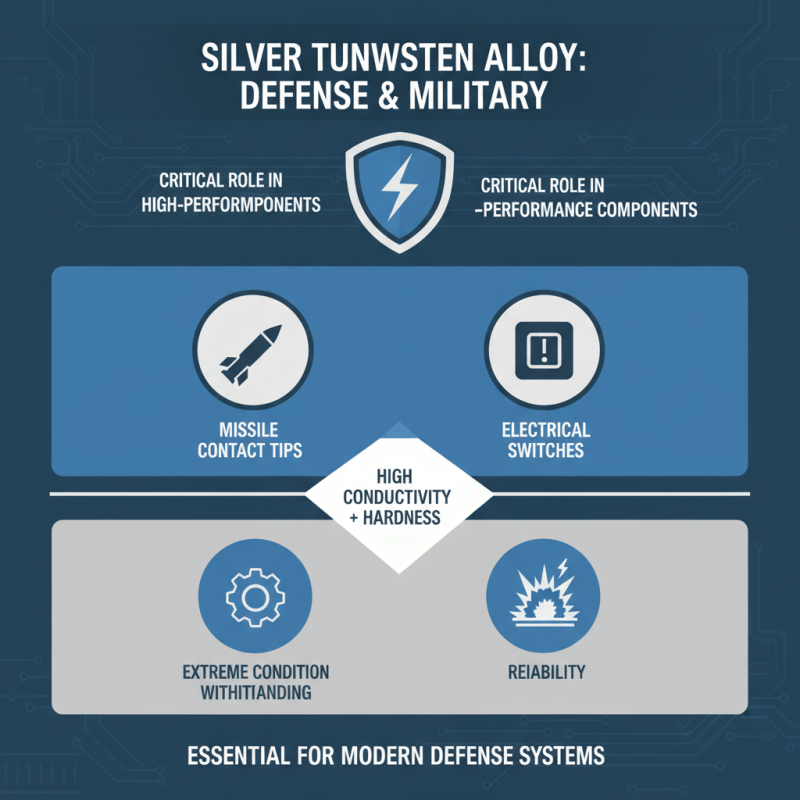
Silver tungsten alloy plays a crucial role in defense and military technology. Its unique properties make it highly sought after for critical applications. This alloy combines high conductivity with exceptional hardness, making it ideal for high-performance components. In missile technology, silver tungsten serves as an essential material in the production of contact tips and switches. The military often demands components that withstand extreme conditions, and this alloy meets those rigorous requirements.
In the realm of electronic warfare, silver tungsten alloy is utilized in cathodes and anodes for its superior thermal and electrical conductivity. Research indicates that alloys with high silver content can enhance performance. According to the Journal of Materials Science, the mechanical properties of silver tungsten have been reported to maintain integrity even under high-stress situations, a necessity for defense operations. The alloy’s resilience offers reliability in equipment that operates in hostile environments.
Moreover, the production of armor-piercing projectiles incorporates silver tungsten due to its density and melting point. However, environmental concerns arise from silver extraction processes. The reliance on this alloy reflects the industry's push for materials that do not compromise safety. It’s a challenge that experts must address while balancing performance with ethical mining practices. Robust discussions are essential to navigate these complexities while ensuring the effectiveness of aluminum use in defense.