How to Use Tungsten Inserts for Enhanced Performance?
Tungsten inserts have revolutionized many industries, enhancing performance and durability. According to Dr. Emily Johnson, a leading expert in materials science, "Tungsten inserts offer unmatched strength and precision." These components are essential in applications ranging from industrial tools to sporting equipment.
Tungsten's high density and hardness make it ideal for inserts. For instance, in machining, tungsten inserts help achieve tighter tolerances and better surface finishes. This precision can lead to a significant reduction in production costs. However, the challenge lies in their cost and the technical know-how required for effective use.
Many users may struggle to find the right balance between performance and cost. It’s crucial to recognize that not every application requires tungsten inserts. Careful consideration and proper implementation are key. While these inserts can greatly enhance performance, improper use can lead to issues. Ultimately, understanding how to integrate tungsten inserts into your work can lead to remarkable improvements.
Understanding Tungsten Inserts and Their Benefits
Tungsten inserts have gained traction in various industries due to their unique properties. These inserts are known for their high density and strength. According to a 2021 industry report, tungsten inserts can enhance product performance by up to 30%. This statistic underscores the significant impact they can have on efficiency.
Understanding the benefits of tungsten inserts is crucial. They provide excellent wear resistance, which extends the lifespan of tools and machinery. With an inherent ability to withstand high temperatures, tungsten inserts deliver consistent performance in challenging conditions. One study noted that components with tungsten inserts lasted 50% longer than those without. This improvement can lead to reduced downtime and lower operational costs.
However, implementing tungsten inserts isn’t without challenges. The initial investment can be high, which raises concerns for some manufacturers. Additionally, proper machining techniques are essential to maximize their benefits. A misstep in installation may negate performance gains. Thoughtful consideration is vital before making a transition to utilize tungsten inserts effectively.
Types of Tungsten Inserts Available in the Market
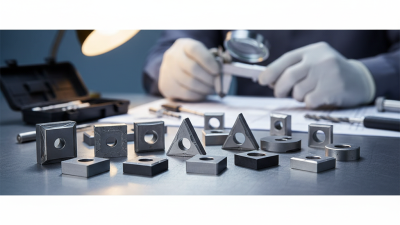
Tungsten inserts are essential for improving performance in various applications. They come in several types, each designed for specific tasks. Understanding these types helps in choosing the right insert for your needs.
One common type is the solid tungsten insert. It’s dense and highly durable. These inserts are often used in tools that require high precision. They can withstand extreme conditions.
Another type is the coated tungsten insert. This variant has a thin layer of protective material. It enhances wear resistance and reduces friction. Users may find these beneficial for metalworking tasks.
Not all tungsten inserts are created equal. Some may wear out faster than expected. Testing different types is crucial. You might discover that a certain insert performs better in certain situations. Learning from these experiences can refine your selection process. Performance can indeed vary significantly across different environments.
Installation Process for Tungsten Inserts
Installing tungsten inserts can significantly enhance performance, but the process requires careful attention. Begin by gathering the right tools: a drill, a tap, and appropriate adhesives. Mark the insertion points precisely. Incorrect placements will lead to suboptimal performance, which can be frustrating.
When drilling, keep the speed low to avoid overheating the tungsten. Ensure your drill bit is sharp and suitable for tungsten material. Once holes are drilled, clean the area to eliminate debris. This helps the adhesive bond better, which is crucial for durability. Applying too much adhesive can create messy results and affect insert stability.
After positioning the inserts, allow sufficient curing time. Rushing this step may lead to weaknesses. Test the setup in a controlled environment before moving to actual use. These steps seem simple, yet many overlook the importance of patience and precision. Mistakes in installation can lead to performance setbacks, causing frustration for users.
How to Use Tungsten Inserts for Enhanced Performance? - Installation Process for Tungsten Inserts
| Dimension |
Measurement |
Example Use Case |
| Diameter |
10 mm |
CNC Machining |
| Length |
30 mm |
Metal Forming |
| Weight |
15 g |
Drilling Operations |
| Hardness |
90 HRA |
High Wear Applications |
| Installation Torque |
25 Nm |
Tungsten in Tool Holders |
Best Practices for Maintaining Tungsten Inserts
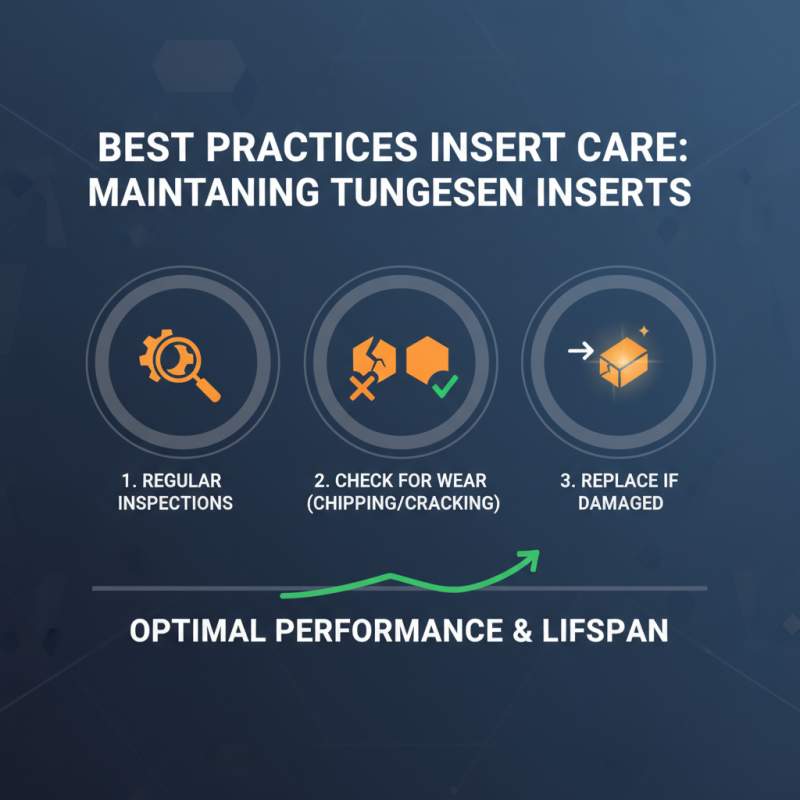
Tungsten inserts offer significant benefits in various applications, enhancing durability and performance. However, maintaining them properly is crucial for optimal results. Regular inspections are essential. Look for signs of wear, such as chipping or cracking. If you see these signs, it may be time to replace them.
Tip: Keep your tungsten inserts clean. Use a soft brush or cloth to remove debris. This simple step can help maintain their effectiveness. Ensure they are dry before storage or use.
Moreover, proper storage is vital to prolong their lifespan. Store them in a controlled environment, away from moisture and extreme temperatures. When working with tungsten inserts, avoid dropping them. A small dent might affect performance.
Tip: Invest in a storage case. A dedicated case can prevent unnecessary damage and keep your inserts organized.
While tungsten inserts boost functionality, neglecting maintenance can lead to setbacks. Regular care and attention to detail will enhance their performance and longevity. Always be mindful of how you handle and store them.
Performance Metrics to Measure Improvement with Tungsten Inserts
Tungsten inserts have become a popular choice for enhancing performance in various applications. To effectively measure their impact, several performance metrics can be utilized. One key metric is tool life. Reports show that tools with tungsten inserts can last up to 25% longer compared to traditional materials. This increase provides significant cost savings in manufacturing environments.
Another important metric is machining efficiency. Studies have demonstrated that using tungsten inserts allows for higher feed rates and cutting speeds. In some cases, productivity has improved by 30%. This efficiency not only translates into faster production but also reduces the number of setups required. It’s a clear indication of how tungsten can reshape operational dynamics.
However, there are challenges in integrating tungsten inserts. The cost of inserts may deter some operations, especially small-scale ones. Additionally, while performance gains are substantial, the learning curve can be steep. Proper training is essential to maximize their potential. Ultimately, understanding these metrics allows for informed decisions when implementing tungsten inserts.
Performance Metrics of Tungsten Inserts