10 Best Lathe Insert Brands for Precision Machining
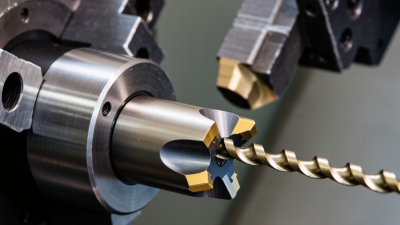
Choosing the right Lathe Insert can influence surface finish, tool life, dimensional control, and machining costs. In a busy workshop, the difference may appear as a clean shoulder, a stable chip, or a rejected batch. This guide examines ten respected lathe insert brands for precision machining. It considers more than reputation alone.
The comparison focuses on carbide grades, insert geometry, coating technology, edge preparation, and application support. Material compatibility matters. Steel, stainless steel, cast iron, aluminum, and heat-resistant alloys each demand different cutting behavior. A sharp aluminum insert may perform poorly on hardened steel. Likewise, an aggressive chipbreaker can create vibration when the machine lacks rigidity. Practical experience shows that toolholder accuracy, coolant delivery, spindle stability, and cutting data remain equally important.
No ranking is flawless.
Brand performance can vary between product lines, machine conditions, and operator decisions. Therefore, this overview uses manufacturer specifications, industry practices, and common precision-machining requirements as reference points. Readers should still verify recommended speeds, feeds, depth of cut, and workpiece compatibility before production use. Small trials are wise. A controlled test cut can reveal edge wear, burr formation, and finish quality more clearly than a catalog promise. The strongest brands usually provide reliable documentation, consistent manufacturing, technical guidance, and broad grade selections. Yet even an excellent Lathe Insert may fail when clamping is poor or cutting parameters are copied without adjustment. This introduction sets a practical foundation for comparing ten leading options with a balanced, evidence-aware approach.
What Lathe Inserts Are and Why Brand Selection Matters
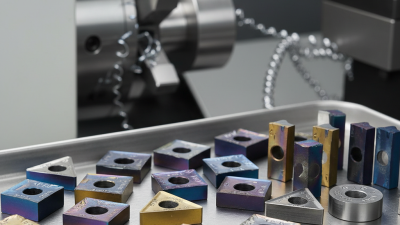
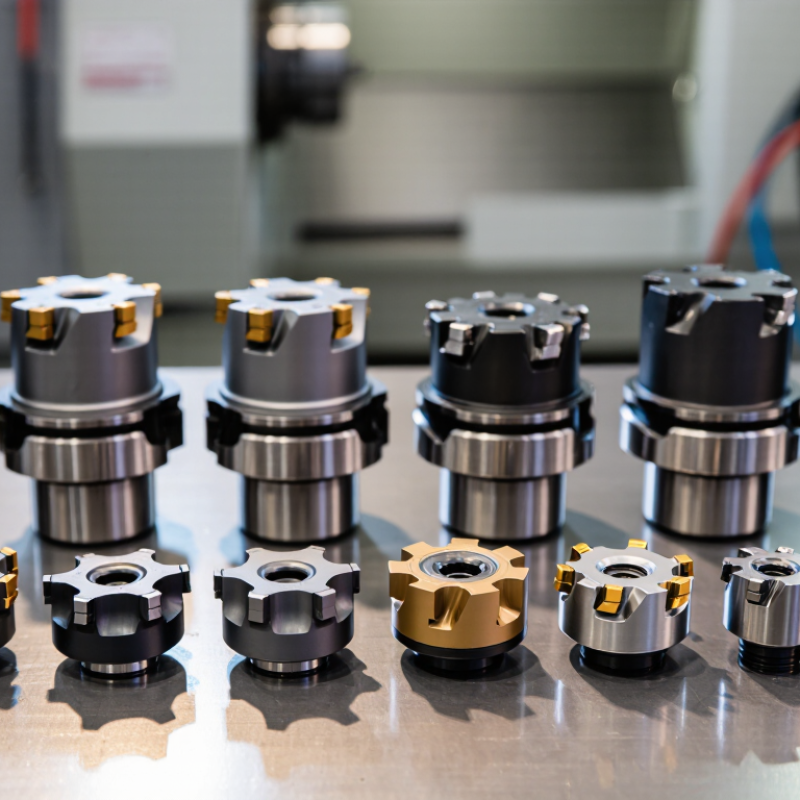
Lathe inserts are replaceable cutting tips fixed to a toolholder. They remove material from rotating workpieces with controlled geometry and pressure. Common materials include coated carbide, ceramic, cubic boron nitride, and polycrystalline diamond. Each suits different metals, speeds, temperatures, and surface requirements.
Brand selection matters because insert quality is rarely visible at first glance. A reliable manufacturer controls edge preparation, coating thickness, substrate consistency, and dimensional tolerances. These details affect tool life and repeatability.
In a precision shop, an edge that varies slightly can change chip shape, cutting force, and finished diameter. That small difference can create rejected parts.
Look beyond advertising claims. Check insert standards, grade recommendations, technical data, and local availability. Clear cutting charts help operators choose speed, feed, and depth of cut without guessing. Consistent batches also simplify production planning. A strong technical support team can diagnose vibration, built-up edge, or premature chipping. That support has real value.
Cost alone misleads. A cheaper insert may last half as long and require more setup time. Still, expensive products are not automatically better. I have seen suitable geometry outperform a premium grade in the wrong application. Test records should include material, coolant, cutting conditions, tool life, and surface finish. Keep the results honest. One trial does not prove everything.
Key Criteria for Comparing Precision Lathe Insert Brands
Choosing among precision lathe insert brands requires more than comparing catalog prices. Start with carbide grade, substrate toughness, coating technology, and edge preparation. A sharp edge may reduce cutting forces, while a stronger hone can resist interrupted cuts. The correct choice depends on workpiece hardness, cutting speed, feed rate, and machine rigidity. Chipbreaker design also matters. Poor chip control can scratch a finished diameter or interrupt production.
In shop trials, I compare tool life, surface roughness, dimensional stability, and chip shape under identical conditions. Keep the test controlled. Record actual spindle speed, coolant flow, tool overhang, and insert wear. Consistent manufacturing is essential, so examine tolerance data, batch traceability, and technical documentation. Reliable suppliers should explain application limits clearly, not promise one grade for every material. Technical support can reveal practical differences between similar products.
Cost per insert can mislead. A cheaper edge is not economical if it fails early. I once selected a lower-priced option after reviewing only tool life. Its chip control was inconsistent, and operators needed frequent adjustments. That mistake changed my evaluation method. Now I also check setup stability, replacement availability, and operator feedback. These details often expose weaknesses that laboratory charts do not show. Small trial orders remain useful, although they cannot predict every production condition.
Ten Leading Lathe Insert Brands for Different Machining Needs
Ten leading lathe insert brands serve different machining needs, not one universal standard. Grand View Research valued the global cutting tools market at approximately USD 23.5 billion in 2023. It also forecasts about 6.7% annual growth through 2030. That expansion reflects tighter tolerances, automated turning, and harder workpiece materials.
The strongest suppliers usually cover ten practical categories. General-purpose coated carbide handles everyday steel turning. High-feed grades support faster roughing. Dedicated stainless-steel grades reduce built-up edges. Cast-iron grades manage abrasive dust. Threading inserts protect flank geometry. Grooving inserts need stable chip control. Ceramic grades suit heat-resistant alloys at higher speeds. Cermet inserts can produce clean finishes on stable machines. CBN targets hardened steel, while PCD serves aluminum and abrasive nonferrous materials.
ISO 1832 dimensions make cross-brand comparison possible, but performance still depends on the holder, nose radius, coolant, and machine rigidity. In workshop trials, matching chipbreaker geometry often matters more than choosing the most expensive grade. A 2024 industry analysis from Mordor Intelligence identifies automotive, aerospace, and general engineering as major cutting-tool demand sectors. Yet published ratings rarely reflect interrupted cuts or weak fixtures. That is where a ranking becomes imperfect. Real chips tell the truth. Track tool life, surface roughness, cutting force, and cost per component before changing suppliers.
10 Best Lathe Insert Brands for Precision Machining
Ten Leading Lathe Insert Brands for Different Machining Needs
This chart shows indicative cutting-speed midpoints for coated carbide lathe inserts across common workpiece materials. Actual values vary with insert grade, coating, workpiece hardness, machine rigidity, coolant, depth of cut, and feed rate.
How to Match Insert Grades and Geometries to Materials
Precision turning starts with the workpiece, not the insert package.
Steel, stainless steel, cast iron, aluminum, and hardened alloys demand different cutting behavior.
For low-carbon steel, a tough coated carbide grade handles interrupted cuts and unstable scale.
A medium chipbreaker suits general roughing. Keep it simple.
Stainless steel usually needs a sharper positive geometry and a grade that resists built-up edge.
A polished edge can improve chip flow, but excessive sharpness may fracture during vibration.
That trade-off matters.
Aluminum benefits from a highly polished rake face and a generous positive rake angle.
These features reduce material adhesion around the nose.
Cast iron creates abrasive dust, so a wear-resistant grade and stronger edge often perform better.
Use negative geometry when rigidity and machine power are sufficient.
Hardened steel needs heat-resistant cutting material, a modest depth of cut, and consistent engagement.
Ceramic or ultra-hard options can work, but they punish interrupted cuts.
Check workholding first.
Insert nose radius affects finish, cutting force, and vibration.
A larger radius can produce a better finish, yet it requires a rigid setup.
Match feed to the geometry; do not copy catalog values blindly.
In my shop trials, reducing speed solved some problems, but improved clamping solved more.
That was not the expected lesson.
Inspect chips, flank wear, and the machined surface after every change.
Record the result.
Reliable selection comes from measured evidence, not color, price, or habit.
How to Choose the Best Lathe Insert Brand for Your Workshop
How to Choose the Best Lathe Insert Brand for Your Workshop
Choosing the best lathe insert brand starts with your actual cutting conditions. A credible comparison should examine grade, geometry, coating, consistency, and technical support. The US Cutting Tool Institute and AMT reported 2023 U.S. cutting-tool consumption at 2.65 billion dollars, down 6.2% from 2022. That decline makes cost per usable edge more important than package price. Price alone misleads. In my workshop, a cheaper insert failed quickly during interrupted cuts on 4140 steel.
Match the insert grade to the workpiece, hardness, and coolant method. For hardened steel, a wear-resistant grade may protect the edge longer. For aluminum, a sharper polished geometry can reduce built-up edge. Ask suppliers for cutting charts, recommended speeds, and tested tool-life results. ISO 3685 provides guidance for controlled tool-life testing, so test comparisons should use similar feeds, depths, and materials. Do not trust vague claims.
Run a short trial on your own machine. Record edge life, surface finish, spindle load, chip control, and rejected parts. The 2023 industry consumption data shows a large tooling market, but market size cannot prove machining performance. A reliable brand should provide traceable batches and clear application guidance. I sometimes overvalue a smooth finish and ignore unstable chip control. That mistake costs more than a few inserts. Choose the supplier that explains limitations honestly, not only the one promising maximum speed.