Leave your message now to get your free sample and discount price
Choosing the right Ball Rotary Burr supplier can affect cutting accuracy, tool life, and production costs. Chinese manufacturers serve workshops, automotive plants, aerospace suppliers, dental laboratories, and general metalworking businesses worldwide. However, supplier quality varies more than product photographs suggest.
This guide introduces China’s top 10 Ball Rotary Burr suppliers for global buyers. It focuses on practical purchasing factors, including carbide grade, flute design, shank tolerance, surface finish, packaging, and export experience. Each supplier should be assessed through product specifications, factory communication, sample testing, and consistent quality records. A polished catalog is useful, but it cannot replace inspection.
Experienced buyers often test burrs on real materials, such as aluminum, stainless steel, cast iron, or hardened steel. They examine chip removal, vibration, edge sharpness, and wear after repeated passes. Small details matter. A loose shank can reduce control. Uneven teeth can leave visible marks. These problems may not appear during a short demonstration.
The selected companies are discussed as potential partners, not automatic recommendations. Rankings may change as certifications, production equipment, lead times, and customer service develop. Buyers should verify current information directly with each supplier. Some factories excel at standard sizes, while others handle custom profiles or private-label packaging more effectively. This difference deserves attention.
Reliable sourcing also requires clear drawings, agreed tolerances, material confirmation, and documented inspection procedures. Payment terms, delivery schedules, and after-sales support should be reviewed before an order is placed. No supplier is perfect. A careful comparison can reduce avoidable risks and support a stronger long-term purchasing decision.
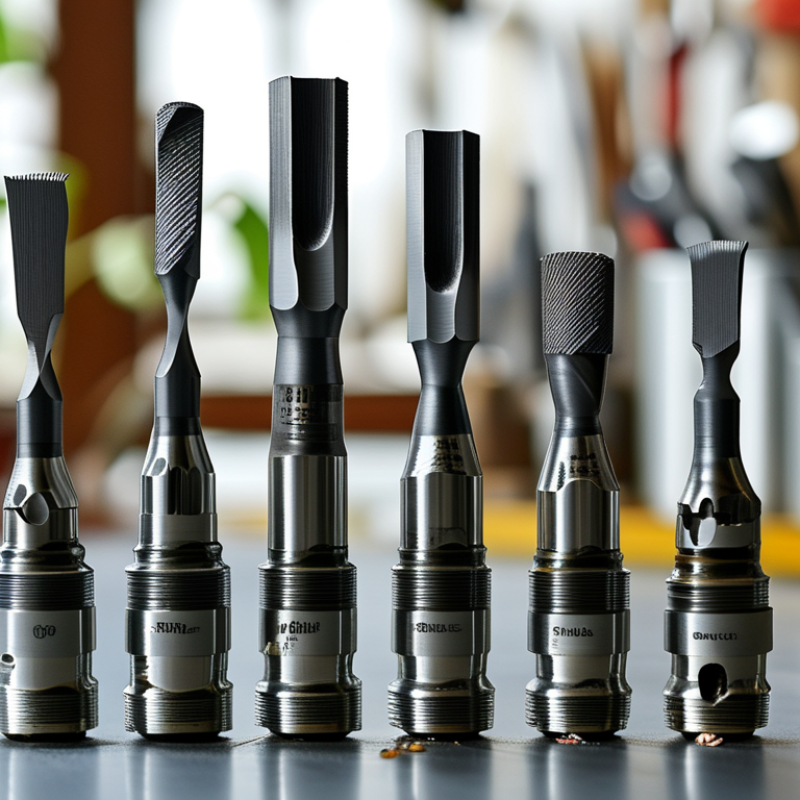
Ball rotary burrs are small cutting tools with a rounded carbide head and a rotating shank. They remove material through many sharp flutes, rather than scraping like a file. The ball profile reaches curved edges, internal corners, welds, and shallow cavities.
They are commonly used on steel, cast iron, aluminum, brass, and some plastics. A fabricator may blend a weld bead, enlarge a slot, or deburr a drilled hole with controlled hand pressure. Low speed can cause rubbing. Excessive speed may overheat the workpiece and dull the cutting edges. Eye protection, secure clamping, and correct shank size remain essential. Small details matter.
Fortune Business Insights estimated the global power tools market at about USD 45 billion in 2023, with continued growth expected through 2032. This broader market data does not measure ball burrs directly, but it indicates rising demand for compact material-removal tools. In practice, selection should follow the workpiece, flute pattern, diameter, and grinder speed. Coarse flutes remove material quickly. Fine flutes leave better control on softer metals. My practical caution is simple: “universal” burrs are rarely universal. Even experienced operators can choose the wrong cut and create chatter, heat marks, or an uneven radius. Testing on scrap material first is often the safer, more reliable decision.
Ball rotary burrs are spherical rotary cutting tools, commonly made from tungsten carbide, that remove material through fluted cutting edges. The table below summarizes ten widely used ball-burr size and application configurations that global buyers can compare when evaluating Chinese suppliers.
| No. | Typical Ball Head Diameter | Common Shank Size | Recommended Cut Style | Suitable Materials | Typical Applications | Important Buyer Checks |
|---|---|---|---|---|---|---|
| 1 | 3 mm | 3 mm | Fine single cut | Aluminum, brass, copper, mild steel | Small grooves, precision deburring, miniature dies, and detailed engraving work | Check concentricity, flute sharpness, and the runout of the small shank |
| 2 | 4 mm | 3 mm | Single or double cut | Non-ferrous metals, cast iron, low-alloy steel | Cleaning intersecting holes, light contouring, and small-radius edge finishing | Confirm head-to-shank alignment and whether the tool is suitable for high-speed operation |
| 3 | 5 mm | 3 mm or 6 mm | Double cut | Steel, stainless steel, cast iron, brass | General-purpose deburring, weld cleanup, and internal-radius finishing | Compare tooth geometry, carbide grade, and cutting performance on the target material |
| 4 | 6 mm | 6 mm | Double cut or aluminum cut | Steel, stainless steel, aluminum, plastic | Handheld die-grinder work, porting, casting cleanup, and medium-duty profiling | Verify shank tolerance, maximum recommended speed, and resistance to clogging |
| 5 | 8 mm | 6 mm | Double cut | Carbon steel, stainless steel, cast iron, titanium alloys | Weld removal, larger internal cavities, edge blending, and surface preparation | Request test samples and confirm flute depth, balance, and heat resistance |
| 6 | 10 mm | 6 mm | Double cut or high-performance cut | Steel, stainless steel, nickel-based alloys | Fast stock removal, heavy deburring, mold repair, and large-radius blending | Check removal rate, vibration level, coating options, and recommended operating speed |
| 7 | 12 mm | 6 mm | Double cut | Cast iron, carbon steel, stainless steel, bronze | Foundry flash removal, automotive component finishing, and large contouring tasks | Confirm dimensional consistency, tooth uniformity, and compatibility with the grinder collet |
| 8 | 16 mm | 6 mm | Heavy-duty double cut | Steel castings, ductile iron, stainless steel | High-volume material removal, large welds, casting gates, and industrial maintenance | Evaluate tool balance, carbide toughness, packaging protection, and batch consistency |
| 9 | 20 mm | 6 mm or 8 mm | Heavy-duty cut | Cast iron, steel, aluminum castings, copper alloys | Large cavity work, structural component cleanup, and preparation before welding or coating | Confirm the required shank diameter, machine power, safe speed, and operator protection requirements |
| 10 | 25 mm | 6 mm or 8 mm | Heavy-duty or aluminum cut | Large steel castings, aluminum, brass, and non-ferrous alloys | Rapid stock removal, large-radius shaping, shipyard repair, and heavy fabrication work | Ask for operating-speed data, balance testing, carbide composition, and bulk-order quality control |
Technical note: Actual dimensions, shank tolerances, flute designs, cutting angles, carbide grades, and recommended speeds vary by manufacturer and workpiece material. Always follow the supplier’s operating instructions, use suitable eye and respiratory protection, and avoid exceeding the rated speed of the rotary tool.
When evaluating Chinese rotary burr suppliers, technical capability should matter more than catalog size. Check the carbide grade, tooth geometry, shank tolerance, and cutting diameter. These details affect material removal, vibration, and tool life. Ask for batch test reports, not only product photos. Concentricity measurements and hardness records can reveal production discipline.
Request samples from several production lots. Use them on the materials your customers actually process, such as aluminum, stainless steel, or cast iron. Record cutting speed, surface finish, heat buildup, and edge wear. A supplier may promise long service life, yet real performance can change between batches. That gap deserves attention. No supplier scores perfectly.
Factory evaluation should include grinding equipment, coating control, inspection tools, and operator training. Verify whether quality records identify raw material batches and final inspectors. Clear documentation supports reliable repeat orders. It also makes technical complaints easier to investigate. Certifications can help, but verify their scope and validity through independent records.
Communication is another practical test. Ask how the supplier handles drawing changes, damaged packaging, late shipments, and nonconforming samples. Strong suppliers provide corrective-action details instead of vague apologies. Compare minimum order quantities, lead times, packaging protection, and spare capacity during peak seasons. A low quotation may hide inconsistent dimensions or weak after-sales support. Careful buyers should judge evidence, not confidence.
China’s top 10 ball rotary burr suppliers show different strengths in carbide selection, flute geometry, and export service. This profile compares them through practical buyer criteria: material consistency, cutting balance, coating options, inspection records, and delivery stability. Some suppliers focus on standard burrs for steel and aluminum. Others produce custom shanks, fine-tooth designs, or small trial batches. The difference often appears under a magnifying lens: uneven flute spacing can leave visible chatter marks.
Market demand supports closer supplier evaluation. The Freedonia Group reports that global demand for cutting tools remains linked to automotive, aerospace, construction, and general machining output. Meanwhile, China’s manufacturing sector continues to support a broad tooling supply chain, according to data from the China Machine Tool Industry Association. These reports do not measure ball rotary burrs alone. That limitation matters. Buyers should avoid treating general tool-market growth as proof of every supplier’s quality.
Tips: Request sample burrs, dimensional reports, and hardness data before volume orders. Test one ball head on the buyer’s actual workpiece. Check whether the supplier records runout, flute symmetry, and shank diameter. Ask for batch traceability, not only a glossy catalogue. In my experience, delivery promises are less useful than recent shipment records. A supplier may offer low prices, yet inconsistent brazing or poor edge sharpness can increase rework. Even experienced buyers sometimes overlook packaging protection. Small carbide burrs can arrive with chipped edges after a rough journey.
China Top 10 Ball Rotary Burr Suppliers for Global Buyers
Product Quality, Materials, Sizes, and Customization Options
When comparing China’s top ten ball rotary burr suppliers, global buyers should examine cutting consistency, surface finish, and tool balance. A reliable supplier provides carbide grade details, dimensional tolerances, and inspection records for each production batch. The burr should remove metal smoothly without excessive vibration or early edge failure. Small defects matter.
Material selection depends on the workpiece. Standard tungsten carbide suits many steels, cast iron, and non-ferrous metals. Different carbide grades can improve toughness or wear resistance. Buyers should request sample tools before placing large orders. A practical test reveals more than a polished catalog.
Size options usually include several head diameters, shank lengths, and tooth patterns. Ball-shaped heads help with curved surfaces, narrow cavities, and controlled deburring. Custom requests may cover shank dimensions, cut styles, packaging, laser markings, and private specifications. However, customization can increase lead time and minimum order quantities. Confirm these details in writing.
Supplier experience becomes visible during technical discussions. Capable teams can recommend tooth geometry, cutting speed, and suitable materials for a buyer’s application. They should also explain quality controls, sampling procedures, and replacement policies clearly. I would not rely on price alone. A low quotation may hide inconsistent sizing or weak documentation. Even experienced buyers can overlook runout until production starts. A simple incoming inspection can prevent that mistake.
Indicative Vickers hardness ranges for commonly used rotary burr materials. Hardness is a practical reference for comparing wear resistance and cutting durability; actual performance also depends on tooth geometry, coating, workpiece material, and operating speed.
Solid carbide is widely selected for high-speed cutting and long service life. HSS is commonly used where toughness and lower cutting speeds are preferred.
Typical metric burr head diameters range from about 3 mm to 16 mm, with 3 mm and 6 mm shanks frequently used for compatible tool holders.
Global buyers commonly request customized profiles, tooth cuts, coatings, shank dimensions, packaging, and private-label specifications.
China Top 10 Ball Rotary Burr Suppliers for Global Buyers
Global buyers comparing China’s top ten ball rotary burr suppliers should begin with technical fit, not rankings. A burr that looks identical may cut differently because of carbide grade, flute geometry, head diameter, or coating. Request drawings, tolerance ranges, shank dimensions, and recommended materials. Ask for recent production photos and a sample from normal stock. Test it on your actual alloy, feed rate, and tool holder. Small trials expose vibration, edge chipping, and inconsistent removal rates.
Verification needs evidence. Check the legal company name, factory address, export experience, quality procedures, and production capacity. A video call can show grinding machines, inspection benches, packaging, and batch labels. Request inspection records, material reports, and certificates matching the shipped product. Independent pre-shipment inspection helps when order value is high. It is not perfect, though. A polished tour can hide subcontracting or seasonal capacity.
Before purchasing, compare total landed cost rather than unit price. Include samples, packaging, freight, duties, payment fees, replacement terms, and lead time. Put dimensions, hardness, coating, quantity, tolerances, and acceptance rules in the contract. Confirm whether samples and mass production use the same process. Start with a controlled order and monitor every batch. One weak point remains: forecasts may be wrong. Keep a second qualified source until delivery consistency is proven.