Top Tungsten Carbide Alloy Suppliers for Global Buyers 2026?
Tungsten Carbide Alloy is a crucial material in various industrial applications. Its exceptional hardness and wear resistance make it a preferred choice for cutting tools and heavy machinery. According to industry reports, the global tungsten carbide market is projected to reach USD 33 billion by 2026. This remarkable growth reflects the rising demand across sectors like mining, construction, and manufacturing.
Understanding the market dynamics is essential for global buyers. Companies need to identify reliable suppliers to ensure quality and performance. The right Tungsten Carbide Alloy supplier can significantly impact operational efficiency. However, sourcing these materials is not without challenges. Buyers must navigate through various options and evaluate supplier credibility.
Many suppliers claim high standards, but not all meet stringent industry requirements. Organizations must conduct thorough research and verify the authenticity of material specifications. This process can often feel overwhelming. Yet, it is vital for ensuring the best outcomes in product performance and sustainability. As the market evolves, staying informed about key suppliers will play a crucial role in successful procurement strategies.
Overview of Tungsten Carbide Alloys and Their Applications
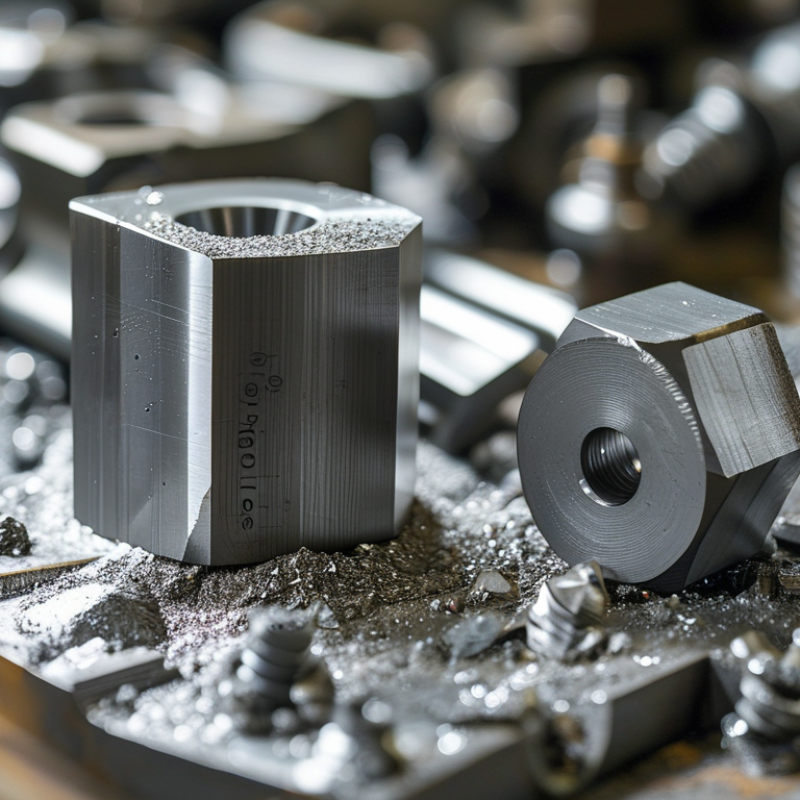
Tungsten carbide alloys are vital in various industrial sectors. These materials exhibit exceptional hardness and wear resistance. They are commonly used in cutting tools, mining equipment, and wear-resistant surfaces. The combination of tungsten and carbon results in a powerful material that endures extreme conditions. However, not all tungsten carbide alloys are made equally. Different compositions and treatments can significantly impact their performance.
Applications of tungsten carbide are extensive. In machining, they provide durability for cutting tools that encounter intense friction and heat. In the oil and gas industry, they withstand harsh environments and corrosive substances. Their use in armor-piercing ammunition highlights their ability to resist deformation under pressure. Despite their advantages, tungsten carbide alloys can present challenges, like brittleness in certain forms. Manufacturers often seek new solutions to enhance these materials, ensuring reliability in demanding applications.
Navigating the landscape of tungsten carbide suppliers requires research and understanding. Quality assurance can vary widely among producers. Buyers must consider factors such as material specifications, production methods, and supplier reliability. Engaging with well-reviewed suppliers can lead to better procurement decisions. Exploring certifications and testing results is essential for informed choices.
Top Tungsten Carbide Alloy Suppliers for Global Buyers 2026
| Supplier Location |
Annual Production Capacity (tons) |
Main Applications |
Key Markets |
| North America |
50,000 |
Mining, Aerospace |
USA, Canada |
| Europe |
40,000 |
Construction, Transportation |
Germany, France, UK |
| Asia-Pacific |
70,000 |
Industrial Tools, Medical Equipment |
China, Japan, South Korea |
| Latin America |
30,000 |
Mining, Oil & Gas |
Brazil, Argentina |
| Middle East |
20,000 |
Construction, Manufacturing |
UAE, Saudi Arabia |
Current Trends in the Tungsten Carbide Alloy Market
The tungsten carbide alloy market is experiencing notable transformation. As global demand rises, suppliers face increased competition. This sector is driven by technological advancements and evolving consumer preferences. Industries such as manufacturing, mining, and construction are primary consumers. They prioritize durability and high-performance materials. These changing dynamics shape the market landscape.
Manufacturers are investing in research and development. Innovations in alloy compositions lead to better products. Improved toughness and wear resistance are key advantages. Trends indicate a push towards eco-friendly manufacturing processes. This shift addresses environmental concerns and regulatory pressures.
Consider these tips when choosing suppliers. Evaluate their experience in the market. A long-standing presence often indicates reliability. Look for suppliers who prioritize customer feedback. This can enhance product quality and service. Pay attention to their production capacities. A supplier with advanced technology can meet large orders efficiently. It’s essential to assess their adaptability to market changes as well. This can impact longevity and stability in partnerships.
Criteria for Selecting Top Suppliers in the Tungsten Carbide Industry
When selecting top suppliers in the tungsten carbide industry, several criteria are essential. Quality control is paramount. Suppliers must demonstrate rigorous testing and certification standards. According to a recent industry report, up to 70% of buyers claimed product quality and consistency are decisive factors in their purchasing decisions. This emphasizes the need for suppliers to have validated quality assurance processes.
Another crucial aspect is technological capability. Suppliers should invest in advanced manufacturing techniques. High-performance tungsten carbide products are often developed using innovative methods. Research indicates that companies employing state-of-the-art technology see a 40% increase in customer satisfaction. This highlights the importance of technical expertise in production processes.
Lastly, consider the supplier's reputation and financial stability. Buyers often prefer established suppliers with a track record of reliability. Industry data suggests that nearly 60% of buyers prioritize suppliers who can provide long-term partnerships over those with lower prices but lesser reliability. Building trust is essential in the tungsten carbide market, where the demand for high-quality products continues to grow.
Leading Global Suppliers of Tungsten Carbide Alloys in 2026
The global tungsten carbide alloy market is rapidly evolving. By 2026, the demand for high-quality tungsten carbide alloys is projected to increase. A report by Market Research Future estimates a compound annual growth rate (CAGR) of about 6.5% in this sector. This indicates a strong market presence for established suppliers and new entrants alike.
Leading suppliers must focus on product quality. Manufacturers need advanced processes for producing durable alloys. According to a recent survey, 75% of buyers prioritize hardness and wear resistance. This requirement drives innovation among suppliers. The focus is not only on raw material sourcing but also on enhancing production techniques.
Despite the growth, challenges persist. Supply chain disruptions are a significant concern. Recent data shows that 30% of suppliers experienced delays due to geopolitical tensions. This reflects the need for flexible strategies. Suppliers must adapt to these changes while maintaining product quality. Buyers should evaluate not just price, but reliability and consistency.
Future Outlook for Tungsten Carbide Alloy Supply Chain Dynamics
The future of the tungsten carbide alloy supply chain is set to undergo significant transformations by 2026. Global demand for tungsten carbide, primarily driven by the construction and manufacturing sectors, is projected to rise by 5% annually. This increase presents challenges for suppliers in sourcing raw materials sustainably. The global supply chain relies heavily on a few key regions, including China, which produces over 80% of the world's tungsten.
As supply constraints become more pronounced, companies may need to invest in alternative sourcing strategies. The World Mining Congress reported declining ore grades and stringent environmental regulations that complicate production. The resulting pressures could lead to increased costs for end users. Moreover, geopolitical tensions may impact trade routes and availability.
Innovation will likely play a critical role in navigating these challenges. Advanced recycling methods for tungsten-based materials could alleviate some dependence on virgin resources. Implementing such practices may enhance supply stability. There is also a call for greater transparency in the supply chain. This can help stakeholders assess risks effectively. As the market evolves, ongoing dialogue between suppliers and manufacturers will be essential for overcoming future hurdles.